JOIN OUR WHATSAPP CHANNEL




















































South-Asian postpartum rituals that are rejuvenating
Here are some age-old South Asian traditions for postpartum care





Since time immemorial postpartum rituals have played a very important path in the healing-after-delivery process. It is said to be a sacred, close to the heart kind of practice that every new mom wants to indulge in, for her mental and physical well-being. For centuries, these customs have been put into place keeping in mind the utmost comfort and good health of the mother and the baby.
The south-Asian traditional custom has the new mom and baby head to the mother's home for a 40 day recovery period. This is the time when the mom goes
through massages, warm baths, and a very tailored, nutritional diet. Food is designed to be nutritious, easy to digest, and the ones that help in improving lactation.
Massages
Head or body massages are something that almost every new mother enjoys, in a south-Asian household. It is usually with coconut oil, sesame oil, or mustard oil. While mustard and sesame oil is more popularly used in North India, coconut oil is more popular in the South. Coconut oil is typically used for a head massage and others for the body. For C-section deliveries, the massage sessions typically start after the stitches heal. It is believed that the massage and oil help in the healing of tissues and in the recovery process. The oils are also said to have cooling properties and a hydrating effect on the body.
Eating Right
Eating nutritious meals is a huge part of postpartum recovery, in South Asian cultures. A careful mixture of herbs, spices, and vegetables is chosen for the new
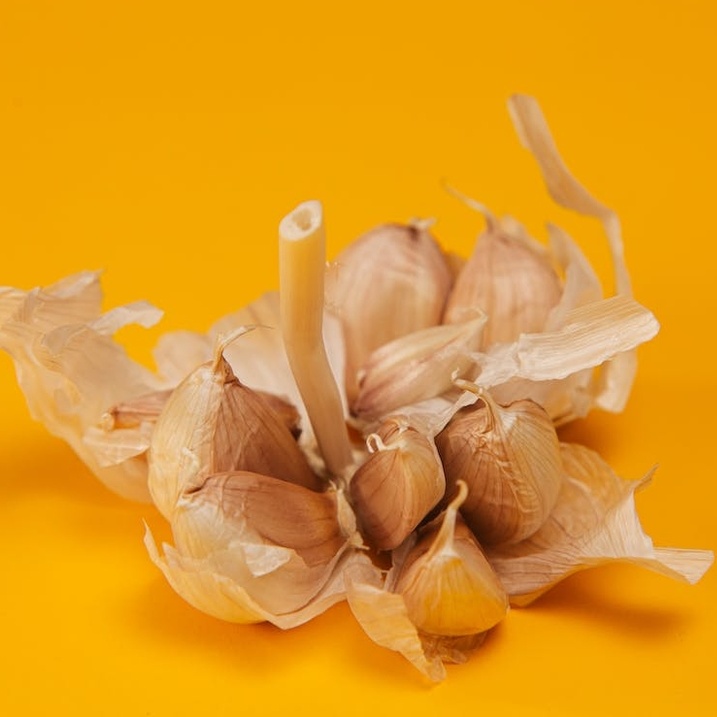
mom's diet. Fresh and warm food is served and leftovers are a strict No. Postpartum food in South India usually includes ginger, garlic, cumin seeds, mustard,
caraway seeds, turmeric, fenugreek seeds, and fenugreek leaves. Vegetables include gourds, drum sticks, and most of the seasonal, tropical bounty.
In North India, it is typically a mix of Indian bread such as parathas and rotis. There is also wheat porridge and khichdi, which is a rice+lentil dish, and very easy
to digest. In both cultures, a lot of Ghee (clarified butter) is included in the menu, as it is said to be a cooling agent in the tummy.
There are many traditional dishes, which are made from carefully chosen ingredients, that provide the required nutrition to the mother's body. They usually come
in different forms, like soups, tonics, and dishes. Other than providing the required nutrition, these aid in recovering your strength and helping with digestion.
One such dish is Fenugreek and Rice Conjee. It is easy to make and has loads of health benefits:
Ingredients:
Rice
Fenugreek seeds
Coconut
Salt
Method:
Wash one cup of raw rice and 1 tablespoon of fenugreek seeds.
Add them to a rice cooker and add 3 cups of water.
Cook the rice.
Grind the coconut to a smooth paste
Add the smooth paste to the cooked rice and bring it to a boil it by adding water.
Adjust the consistency to form a porridge.
Add salt to taste.
Be it old traditions or new, what matters is you enjoy this time with your newborn and heal holistically. Take in the golden moments and don't stress over the hard
bits. Like they say the nights will be long but the years fly by.
ALSO READ: Top NYC chef shares his signature Kale Pakoda recipe