JOIN OUR WHATSAPP CHANNEL
















































International Yoga Day 2020: Here's how yoga can beat the COVID 19 stress
International Yoga Day 2020: Here's why you should add yoga especially now amid COVID 19 crisis.





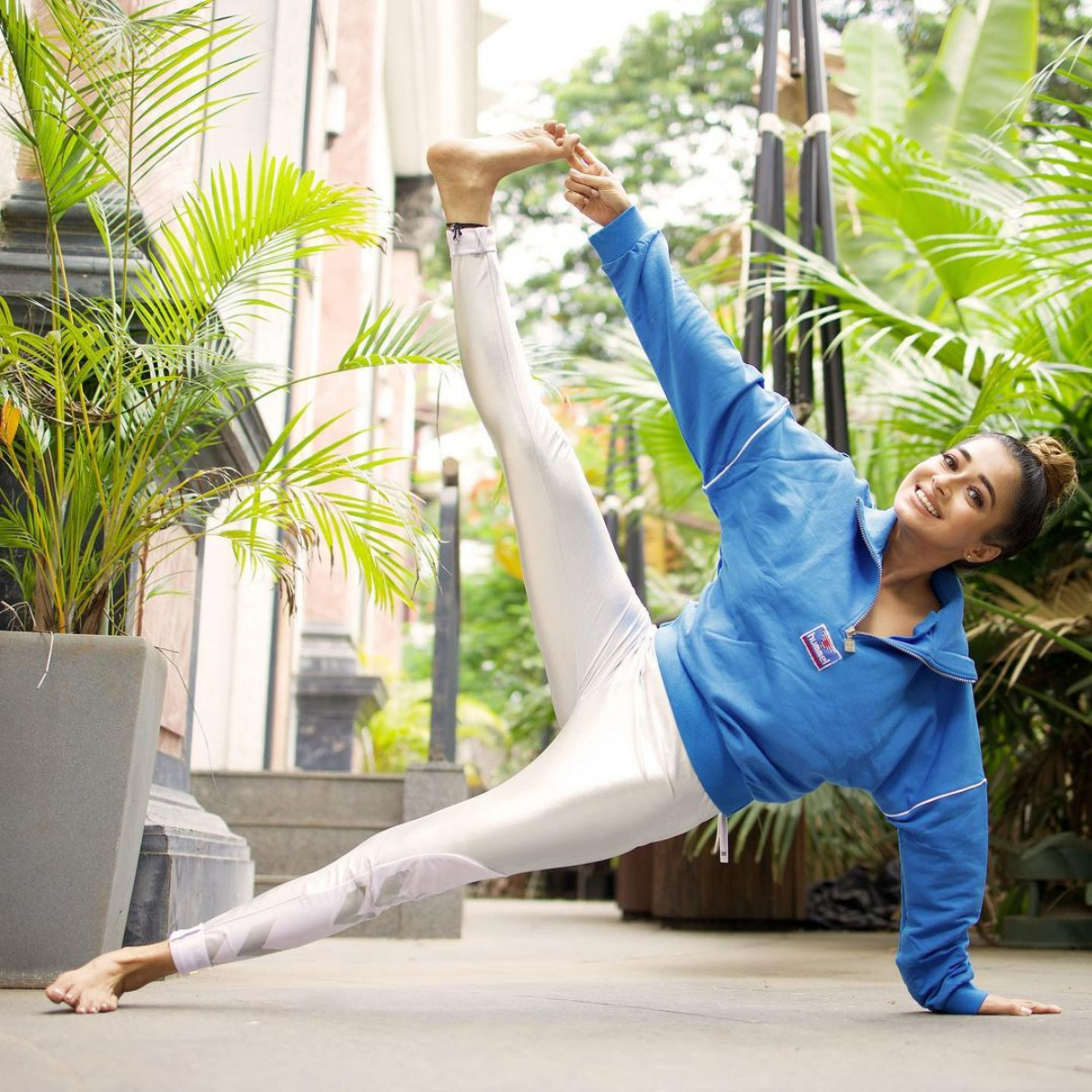
Uncertainty, loss of control, and lack of adequate information are some of the most common triggers of stress. The current pandemic is characterized by all three, in addition to social isolation and the loss of daily routine. People around the world are looking for coping strategies. Yoga can also be a stress management practice, apart from various health benefits you get from it, and you can perform it from the comforts of your home. Unlike most activities, you can do it in a small space with no equipment. For guidance, many organizations and yoga teachers offer the option of both live and recorded sessions. If you have a busy schedule, you can go for recorded sessions that can be practiced at your convenience. Virtual sessions allow you to connect with others, which can help deal with isolation
Why go for yoga?
There is enough evidence to support the practice of yoga as a strategy for tackling stress and promoting well-being. People who practice yoga regularly report lower levels of anxiety, fewer depressive episodes, in addition to fewer symptoms of post-traumatic stress. Yoga also improves well-being, and that includes a greater sense of compassion, gratitude, acceptance, relatability, empowerment, centeredness, self-esteem, self-awareness and hope. Studies have shown that trauma-oriented yoga practice can improve the quality of sleep, reduce anxiety and enable practitioners to share their coping tools with friends and family, reinforcing positive behavioral changes.
All of us are equipped with inbuilt coping strategies to deal with stress, but sometimes our responses can be thrown out of balance. We live in a world that constantly activates our sympathetic nervous system. Also responsible for the fight or flight response, our body relies on it for its stress response. This is balanced by the parasympathetic nervous system, which lets us rest, relax and recover. Yoga can help activate the parasympathetic response, make us more restful, and allow us to find connection, compassion, and calmness. The mindful breathing practices in yoga and meditation stimulate the vagus nerve, which in turn activates the parasympathetic response and relieves stress.
Yoga can also help with self-regulation, altering messages from the brain to the body and vice versa. This happens primarily through breathing exercises, guided movement and mindfulness practices. The bottom-up approach alters our threat perception system and autonomic nervous system. In contrast, the top-down approach helps modulate messages from the prefrontal cortex, which helps us with memory, critical thinking and self-control.
Guidelines for doctors
Yoga is one of the most valuable self-care tools, especially during challenging times. In fact, it is used empirically with a combination of other interventions and has plenty of physical and mental benefits. Several clinicians recommend it as it helps support conventional treatment approaches. However, it is important to understand that the referrals should be informed and intentional, and the recommended exercises should be trauma-based. In other words, the instruction should intentionally and specifically consider the mental impact of trauma and recognize ways in which yoga can be potentially de-traumatizing. It prioritizes the need of the participants and creates an environment that is safe and encouraging.
Yoga is an accessible tool for all body types. It can be restorative, restful or physically active, based on your needs and physical abilities. Despite the glamorization of yoga in recent times, it remains an affordable self-care tool. With the current mobility restrictions, a lot of yoga teachers are offering online coaching classes. While adjusting to technology can be challenging, online yoga is an excellent opportunity to take a class with a teacher of your choice.
Additionally, people who struggle with body image issues can practice without the fear of being judged. The times we are going through are undeniably challenging. It is alright to be unsure of what to do. It is normal to feel anxious, sad and overwhelmed, and it is just reasonable to look for comfort in tools that support your well-being. By voluntarily choosing a self-care tool, we equip ourselves to seek resilience under difficult and demanding circumstances, and that is the path to real change.
By Dr. Rajeev Rajesh, Chief Yoga Officer, Jindal Naturecure Institute
ALSO READ: Yoga Vs Pilates: Which one is better for weight loss?