JOIN OUR WHATSAPP CHANNEL

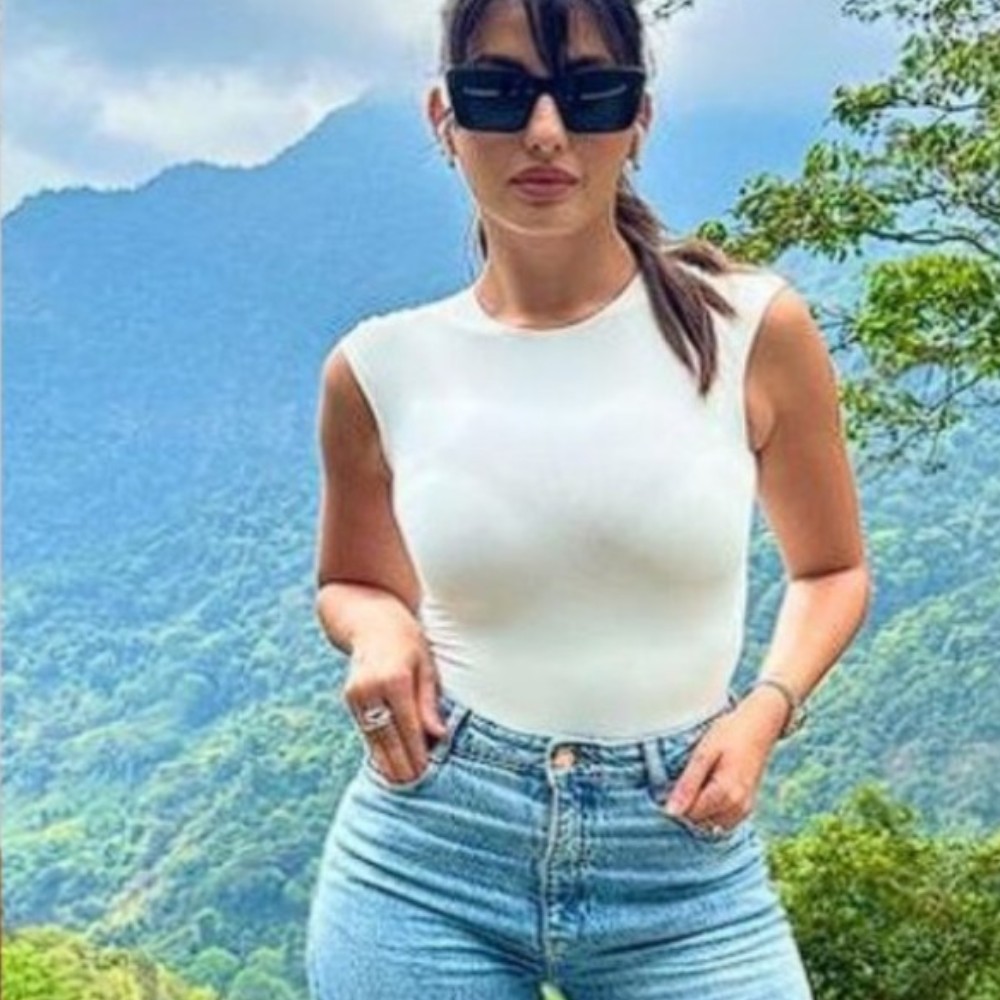





























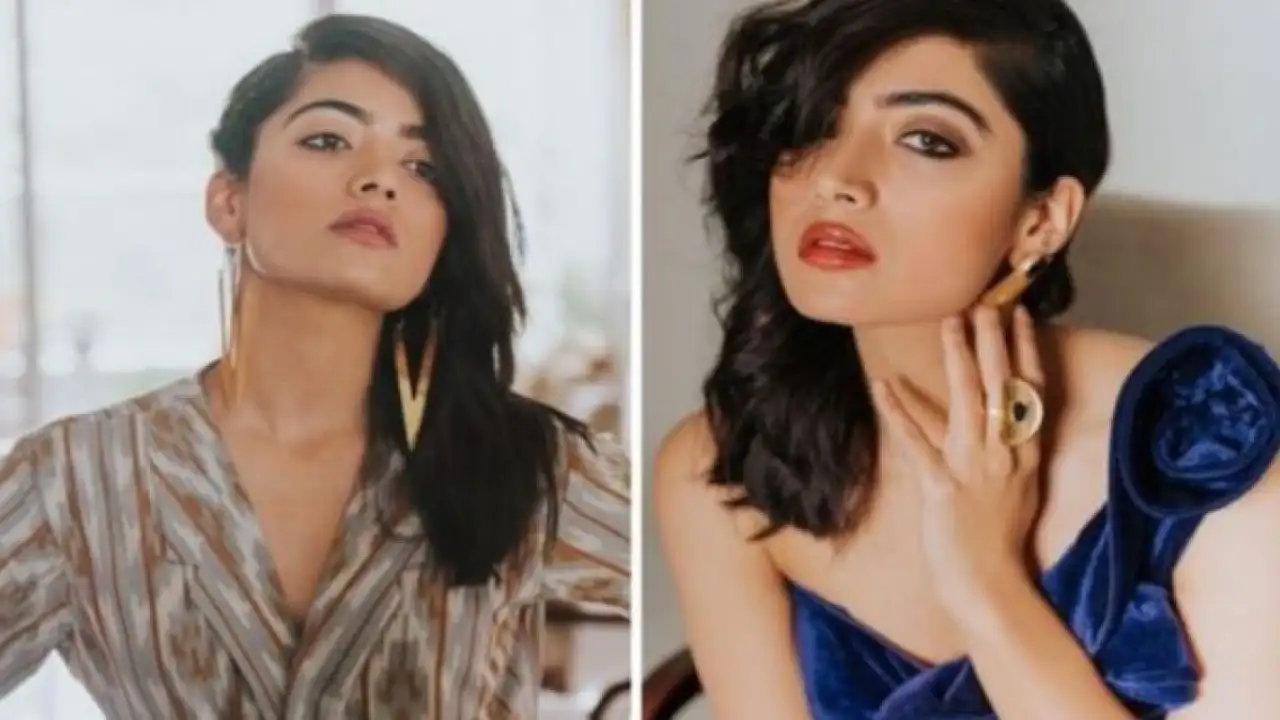







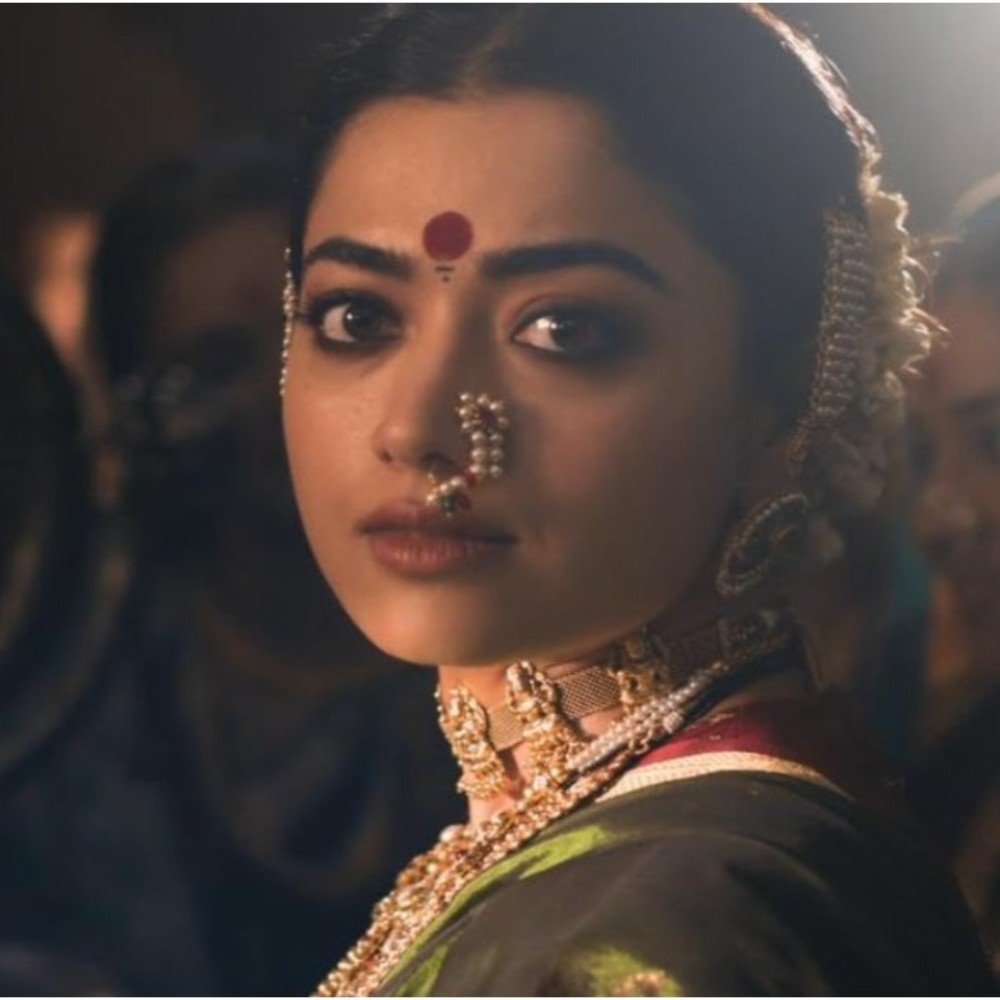
Malavika Mohanan writes an open letter on racism: Dark skinned Indians are jokingly referred as 'madrasis'
Following the death of George Floyd, actress Malavika Mohanan addressed the issue of how casual racism and colourism exists in our own society.





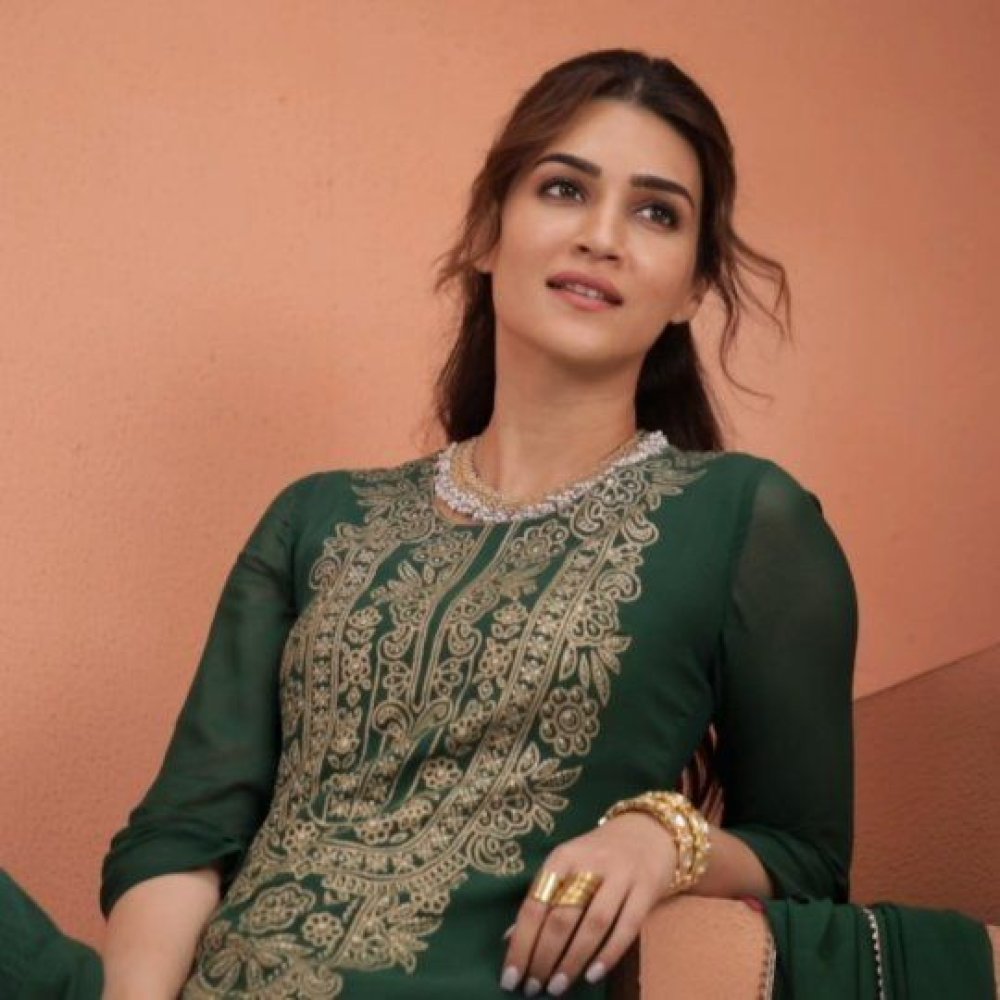
Malavika Mohanan, who will be seen next in Thalapathy Vijay's next Master has written an open letter on the existing racism in the society following the death of George Floyd in the US. Many Bollywood and South Indian celebrities took to social media and posted a blank black picture on social media with hashtag, #BlackoutTuesday, a silent protest following the death of George Floyd. It is also a stand in solidarity with the Black Lives Matter. Actress Malavika Mohanan addressed the issue of how casual racism and colourism exists in our own society.
In her long open letter, she said:
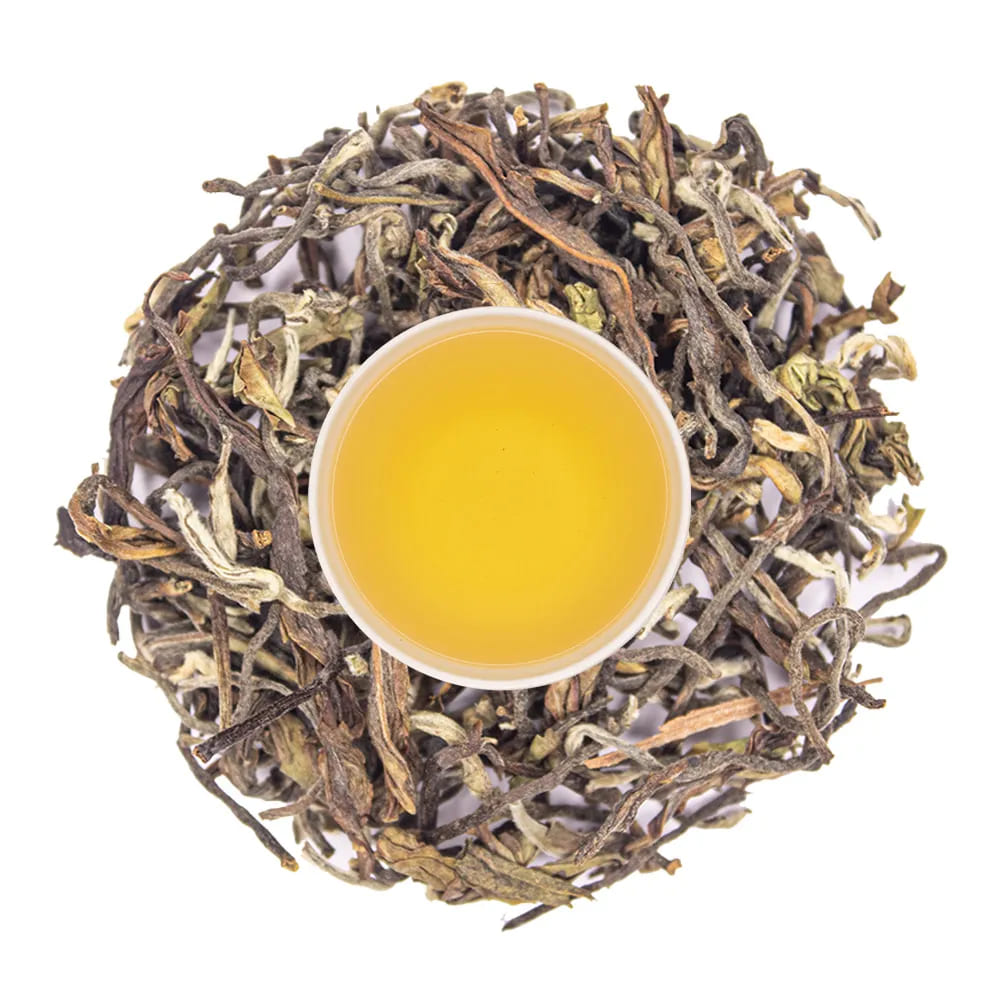
When I was 14 yrs old, one of my closest friends at that point told me that his mother never let him drink tea because she had this weird belief that drinking tea darkened ones' skin complexion, and when he asked for tea once she told him(referring to me) "If you drink tea, you will become dark like her".
He was a fair maharashtrian boy and I was a wheat-ish skinned malayalee girl. The complexion dissimilarity we had had never even occurred to me up until that point. This left me perplexed because it was the first time somebody had made a comment like that with a mean undertone about my skin colour.
So much casual racism and colourism exists in our own society. Calling a dark skinned person 'kala' is something we see on an everyday basis. The discriminatory behaviour against south-Indians and North-East Indians is also appalling. Dark skinned Indians are jokingly referred to as 'madrasis' because for some strange reason these ignorant people think all South Indians are only dark skinned. North-East Indians are almost exclusively only called 'chinki', all black people are casually referred to as 'negros' and fair people are equated as beautiful and dark skinned people are equated as ugly.
While we speak about global racism, we must also become aware about what's happening around us, in our homes, our friend circles and our society, and do our part in thwarting the obvious as well as the subtle racism and colourism that exists all around us, in our everyday lives.
What makes you beautiful is being a good and kind person, and not the colour of your skin."