JOIN OUR WHATSAPP CHANNEL











































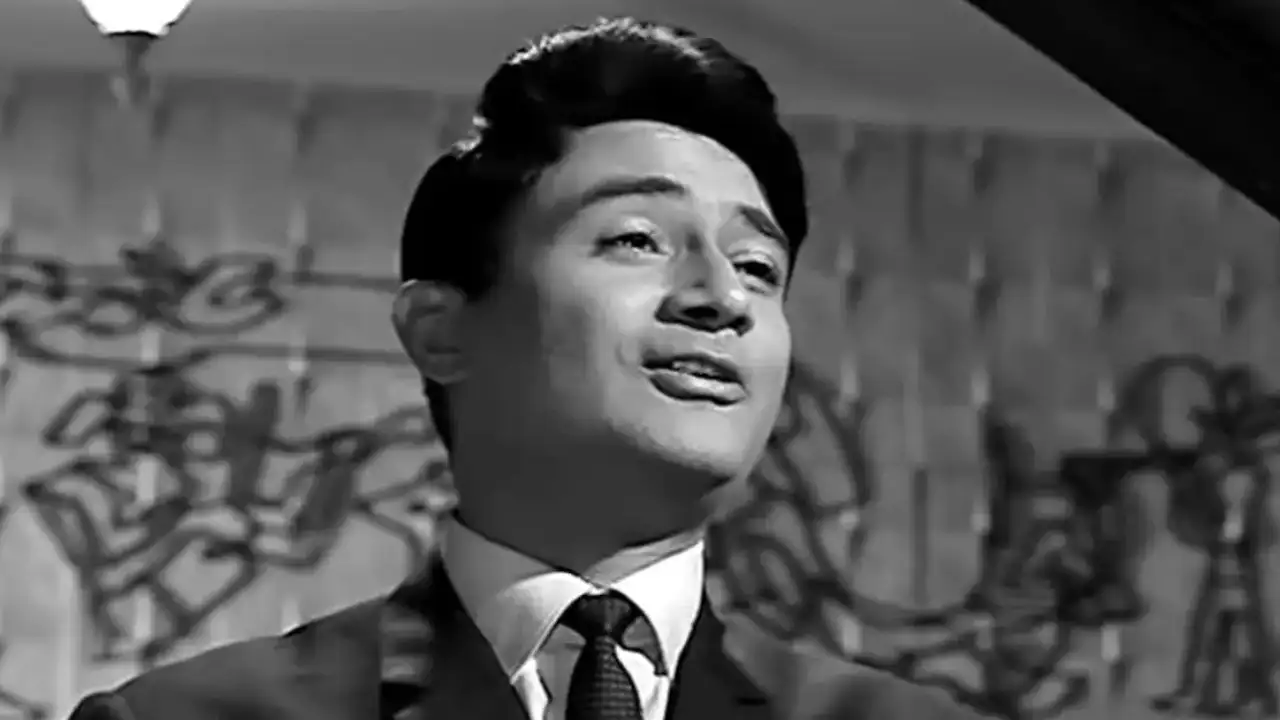
EXCLUSIVE: For Dev Anand saab, love was way beyond sex, says close friend Mohan Churiwala
Dev saab was sensitive but not a Devdas kind of lover. He had inbuilt resilience. He was hurt but overcame every situation.




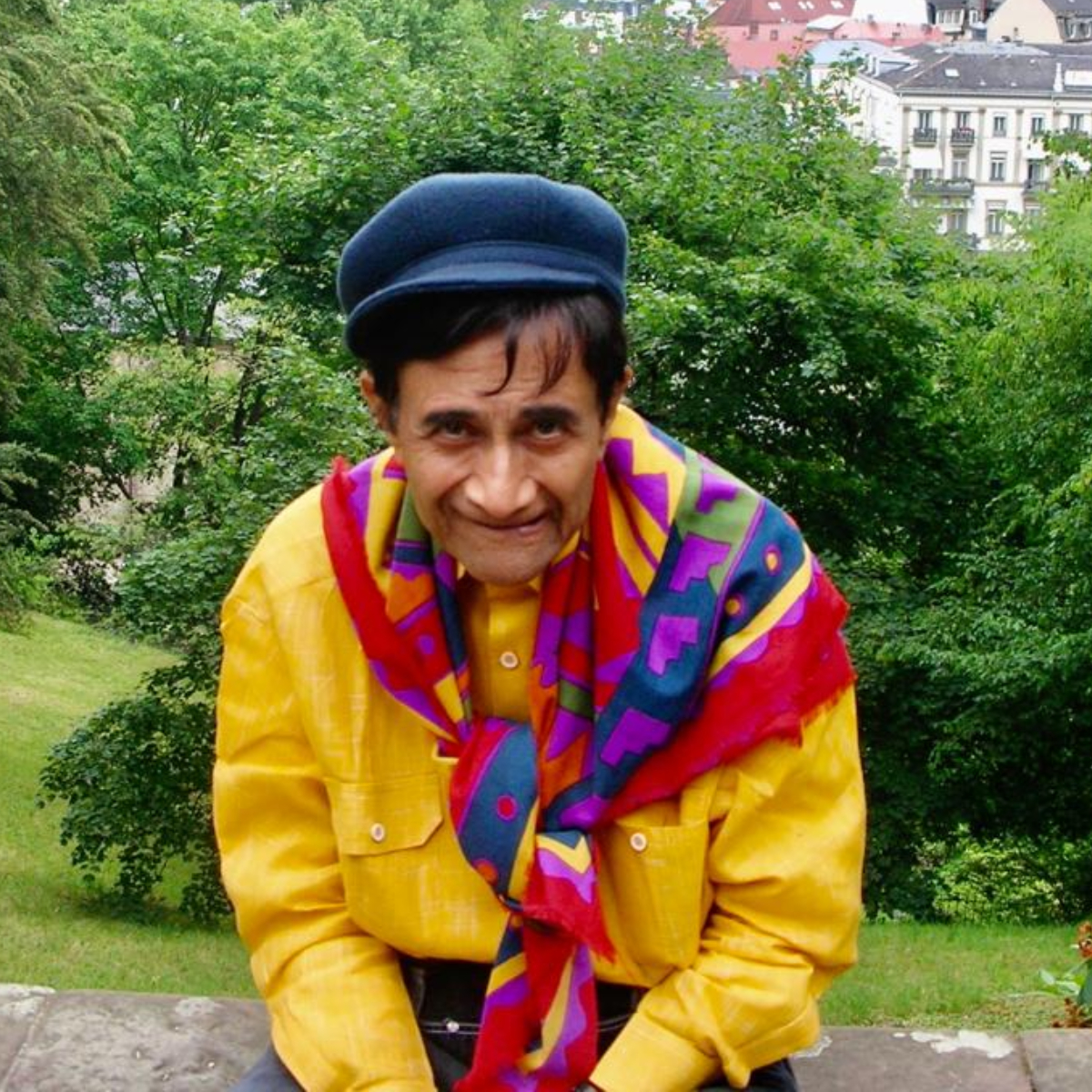
On Dev Anand’s 10th death anniversary, friend and associate Mohan Churiwala talks about the legend’s reported relationships with Suraiya and Zeenat Aman and his concept of women.
"Hum hai raahi pyar ke
Humse kucch na boliye
Jo bhi pyaar se mila
Hum usike holiye…"
The song from his film Nau Do Gyarah (1957), remained Dev Anand’s favourite. They lyricized his romance for life. The diehard optimism urged him to embrace new experiences, new emotions. Though futuristic, Dev Anand, was old-world where it came to his concept of women. Poetry, roses, moonbeam… his idea of love was vintage. For him, sex appeal lay in her mind, in her manner. Though deeply sensitive, he didn’t allow heartache to dent his romanticism. He buoyed back when his associations with co-stars Suraiya and Zeenat Aman reportedly ended. Friend and associate Mohan Churiwala talks about the legend’s undying fervour for life and love. In his own words…
GENTLE DEV
“Dev Anand saab was an aesthete and interested in the finer things of life. His fascination for poetry began right from his days in Government College, Lahore. He enjoyed the poetry of greats like Jigar Morarabadi, Faiz Ahmed Faiz, Hafeez Jalandari… He often recited Hafeez’s poem, Abhi To Main Jawaan Hoon (famously sung by Mallika Pukhraj) in college. Years later, Dev saab asked lyricist Sahir Ludhianvi to write in the same metre as Hafeez’s poem for his film Hum Dono (1961). The result was the iconic romantic track Abhi na jao choddh kar. It’s said to be Shah Rukh Khan’s favourite too.
“Dev saab was a diehard romantic. The song, Tere mere sapne ab ek rang hai, written by Shailendra for Guide (1965) somewhere reflects his personality. Filmed on Waheeda Rehman and Dev saab, it speaks of staying devoted in love. Coming back to the song, it had to convey a new beginning and hope in the film. Goldie saab (director Vijay Anand) wanted to shoot before sunrise in a bid to capture the pre-dawn crimson skies. The unit would reach the location at 5.00 am for days at a stretch. The song was canned in just three shots.

“Right through his career, Dev saab was never accused of misconduct. His vibe was clean. His heroines, be it Nandaji, Sadhnaji or Waheeda Rehmanji, felt comfortable with him because he accorded them great respect. Given his gentlemanly charm, Waheedaji once called him a ‘decent flirt’. Dev saab believed a woman’s sex-appeal lay in her intellect, in her sense of humour and well-groomed appearance. He detested bad odour. He himself was conscious about smelling good all the time. He would take mint, elaichi, cloves… regularly.
THE SURAIYA STORY
“Dev saab deeply valued the relationships in his life. He was cast opposite Suraiya in Vidya (1948). The duo hit it off professionally and personally and went on to pair in films Jeet, Shair, Afsar, Nili, Do Sitare and Sanam (between 1949-1951). Suraiyaji was supposedly Dev saab’s first serious relationship and also his first heartbreak. He loved her deeply. And so did she. Suriayaji’s mother (Mumtaz Sheikh). didn’t mind her marrying Dev saab. But her grandmother (Begum Badshah) saw red. Suriaya was a huge star. When she’d drive in for shooting in her big blue Lincoln car, she exuded stardom. While Dev saab still had to find his footing.
“Eventually, Dev saab felt disappointed by Suraiya’s indecisiveness – she was concerned about her grandmother’s sanction and society’s censure. Dev saab reasoned that if he was taking an independent decision to go for an inter-caste marriage, then why couldn’t Suraiya walk away with him? He could have easily eloped with her. But he didn’t want to take any drastic action. He gave Suraiyaji a breather to make up her mind. But when she couldn’t, he was heartbroken. However, being resilient, the heartbreak fuelled in him a desire to reach heights and prove his capabilities. He always said, “The film industry got Dev Anand courtesy the rejection I faced in love.”
“Dev saab, averse to any confrontation, never got in touch with Suraiyaji again. Much like Sahir’s song Chalo ek baar phir se (Gumrah 1963), he gave their relationship a ‘khubsoorat modh’. Years later, Suraiya attended the 20th-anniversary party of Navketan Films. After all, she was part of Navketan’s Afsar (1950). After Suraiyaji passed away (31 January 2004), Dev saab was asked why he didn’t visit her in the hospital or attend the funeral. He said he’d have definitely done so. But the media there would have asked him inane questions. He didn’t want to discuss their past at such a sensitive juncture in Suraiyaji’s life. He was sad at her demise but he never shared his feelings.
THE ZEENAT AMAN SAGA
“Dev saab introduced Zeenat Aman as the Dum maro dum girl in Hare Rama Hare Krishna (1971) and she became a star overnight. Zeenatji was cast in most of Dev saab’s following films. A close association developed between them. When Raj Kapoor saab contacted Zeenatji for Satyam Shivam Sundaram (1978), Dev saab got a wind of it. He was aware that Zeentaji had gone for a screen test. He expected her to mention it to him. It hurt him when she didn’t. But he gave her the benefit of doubt.
“One evening Dev saab asked Zeenatji out for a candle-night dinner at the Rendezvous at the Taj. She said they’d first have to make a flash visit at a party. At the party, Zeenatji touched Raj saab’s feet. Raj saab asked Zeenatji, “Why didn’t you wear white as promised?” Dev saab was upset on witnessing all this. He got a clear-cut indication. That was the end of the Zeenat chapter. The relationship ended then and there. Few days later, Zeenatji was signed for Satyam Shivam Sundaram.
A ROMANTIC ALWAYS
“Dev saab was sensitive but not a Devdas kind of lover. He had inbuilt resilience. He was hurt but overcame every situation. He remained a romantic all his life. Romance, according to him, could be with a woman, with poetry, music, nature… For him, a woman was beyond her gender and sexuality. He’d say even a beautiful conversation with a woman could give you the feel of an orgasm. Dev saab believed romance didn’t have to be physical. He had a dreamy concept – wooing a woman with sher shayri under the stars... perhaps on a hilltop. Love was way beyond sex for him.
“Once in London, Dev saab was being interviewed at Selfridges. The journalist, pointing to huge blow-ups of Hollywood heroines including Sophia Loren, Audrey Hepburn, Marilyn Monroe… on the walls there, asked Dev saab, who he found the most beautiful. Dev saab, betraying his sense of humour, replied, “The one who’s looking at me and smiling… she’s the most beautiful!”
“Dev saab believed beauty couldn’t be defined. But youth definitely was beautiful. He didn’t believe in looking back whether it was films or life. In his heyday, he was loved for his upturned collars, jhuk ke chalne wala swagger, the idiosyncratic dialogue delivery… But he’d remark, “Today I find it utterly stupid!” His mantra was, ‘Follow your conviction. Stay away from a person who shakes your confidence. As long as the mind has strength, life will be meaningful.” His indeed was.
“Dev saab passed away in his room at The Washington Mayfair Hotel in London on 3 December 2011 (4 December 2011 I.S.T.) of a cardiac arrest. He was 88. But just like him, his memories remain evergreen.”
ALSO READ: Waheeda Rehman reveals the reason for calling Dev Anand 'decent flirt' and it has a 'Guide' connect