JOIN OUR WHATSAPP CHANNEL




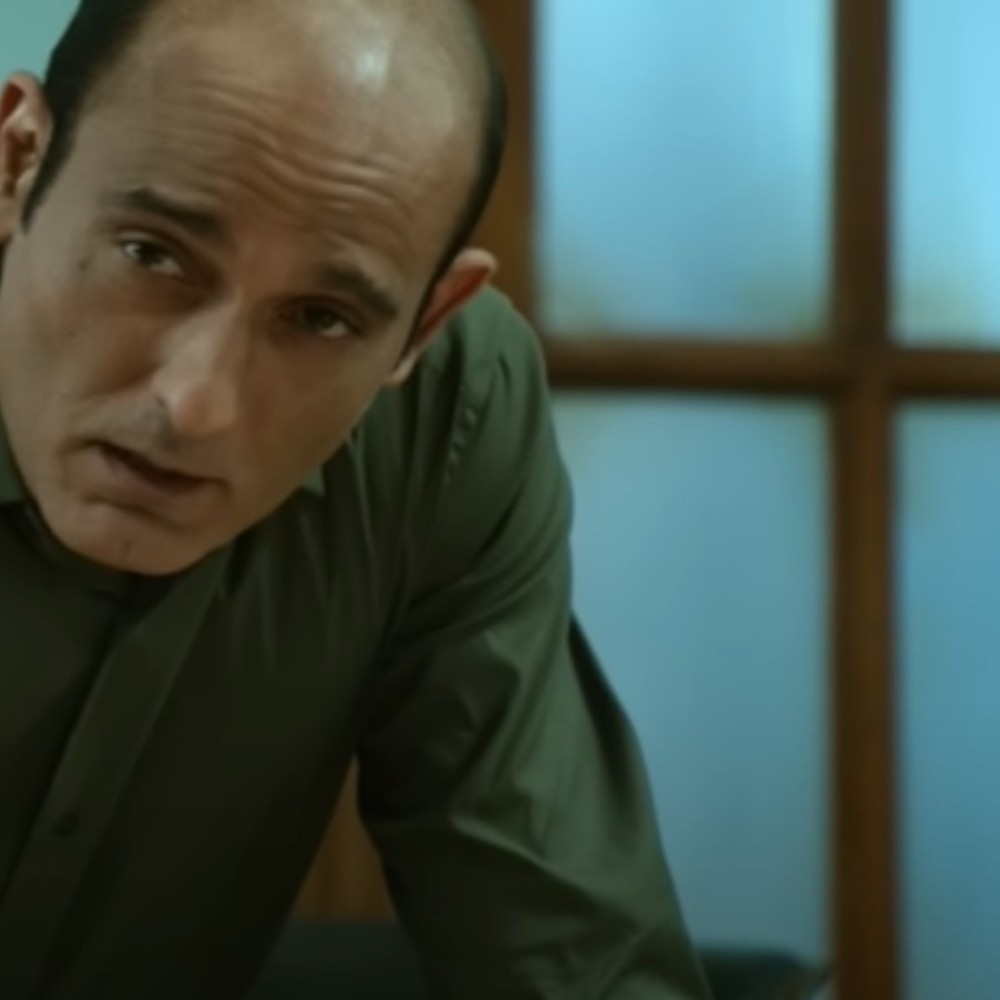


















































Worried that your child is being bullied? Here are the signs you need to look out for
If you have a growing child and notice changes in his behaviour, it could be that he or she is being bullied. Spot the signs before it gets too late.





Bullying comes in many forms, it could be physical, verbal or maybe even non-verbal. It all starts at school. Kids just don’t know what is happening to them and sometimes a bully just pushes them too hard and they just let it slide because they’re too young to understand the depth of it. Bullying isn’t just when someone is getting teased or when kids simply get into fights. All of that is a normal part of a child’s life. That’s when they’re trying to understand themselves and each other. That’s when they’re trying to learn how to socialise and they’re understanding social behaviour. It’s essential that during this time they understand what is socially acceptable behaviour and what isn’t. Bullying is one such behaviour and sometimes when kids cannot tell the difference they simply cower in fear and silently suffer. This is when the parents need to spot the signs and ensure that their child is safe and in a bully-free environment.
Here are some signs to look out for in your child

1. The biggest sign is unexplained injuries and scars. Torn clothes or missing personal belongings could also be a sign. Their bully may be beating them up or simply taking away their personal belongings.

2. Faking sickness in order to skip school. Waking up and complaining of stomach pain or headache more often than usual. It could be a ploy to miss school in order to avoid facing the bully.

3. If your child has suddenly started having trouble sleeping or if your child's eating habits have changed drastically, it could be a sign that he or she is being bullied. Bullying can have a deep impact on their mind and the signs are visible physically too.

4. Sudden mood swings and changes in behaviour. A bully can make your child feel weak and sad or maybe it could make your child feel frustrated or angry. The changes in a child’s behaviour or his mood swings could be their way of venting it out.

5. Socially and emotionally withdrawn behaviour. You child may avoid social gatherings or avoid any situation where he may have to face his bully or be around more kids. Emotionally your child may stop sharing and talking about their emotions and feelings. They may refuse to open up.