JOIN OUR WHATSAPP CHANNEL





















































Planning to welcome a furry friend? Here are the 3 steps to potty train your dog
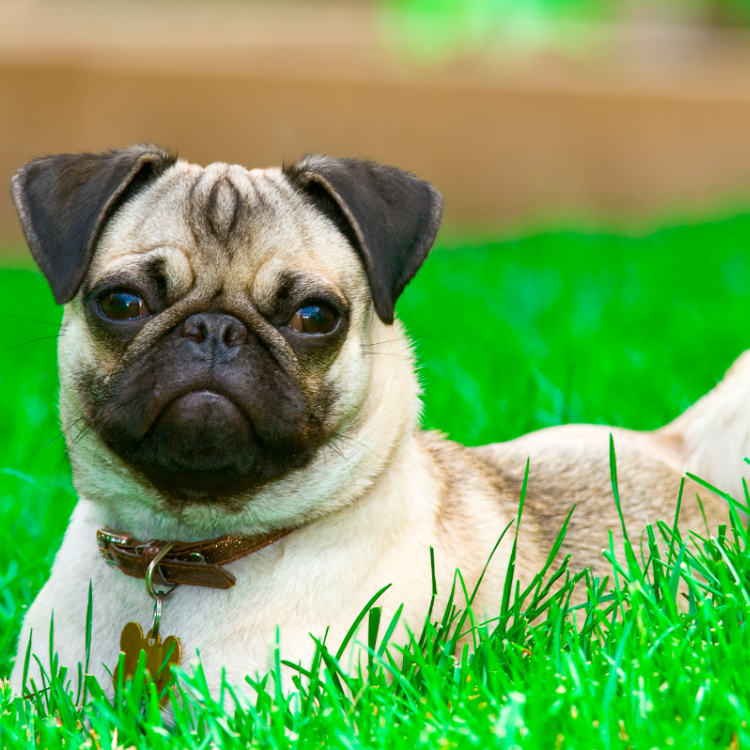
When bringing home a new puppy or even an older dog, pet parents often worry about potty training them. While it is a priority, it can also be the most daunting part of pet ownership. Canine behaviourists believe that training pups can be trickier than training adult dogs because the puppies have a smaller bladder and hence, need to pee more frequently. If you’re looking at welcoming a dog into your home, then these potty training secrets will serve you well.





When bringing home a new puppy or even an older dog, pet parents often worry about potty training them. While it is a priority, it can also be the most daunting part of pet ownership. Canine behaviourists believe that training pups can be trickier than training adult dogs because the puppies have a smaller bladder and hence, need to pee more frequently. If you’re looking at welcoming a dog into your home, then these potty training secrets will serve you well.
Step 1: Discern the tell-tale signs
Observing your pet closely can let you know when your dog needs to relieve himself. Also, some specific signs can indicate your puppy needs to potty, such as when they begin to sniff the floor around them or walk toward a spot where they’ve pooped before. Watch out for times when they’re busy playing but abruptly walk to the door, scratch the door or even start whining. Usually, when your pup isn’t easily distracted by a doggy treat or toy, it may need to go poop.

Step 2: Gauge your pet’s usual time frame
You’re probably wondering about the frequency at which you need to take your pup out for a stroll to defecate. Well, this would vary based on the age and the daily routine of your canine. For instance, if your dog is 2 months of age, then he or she probably needs to be taken outside every 3 hours. However, when your canine is 4 months of age, he can be walked once every 5 hours as this would allow them time to pee or poop.

Step 3: Some regular potty times
You will notice that dogs have a tendency to poop at certain times every day. These could be just as they wake up, after meal times and after vigorous activity. Since puppies have a smaller bladder, they may need to pee at night as well, so be sure to take them out each of these times.

When training a dog all you need is some time and oodles of patience, for the training sessions can also be a great bonding experience and bring you closer to your puppy.
ALSO READ: 5 Types of protective shield to keep mosquitoes at bay