JOIN OUR WHATSAPP CHANNEL














































Monday Mind Talks: Can PCOS affect your mental health? Find out
Read on to find that weather PCOS affect your mental health.





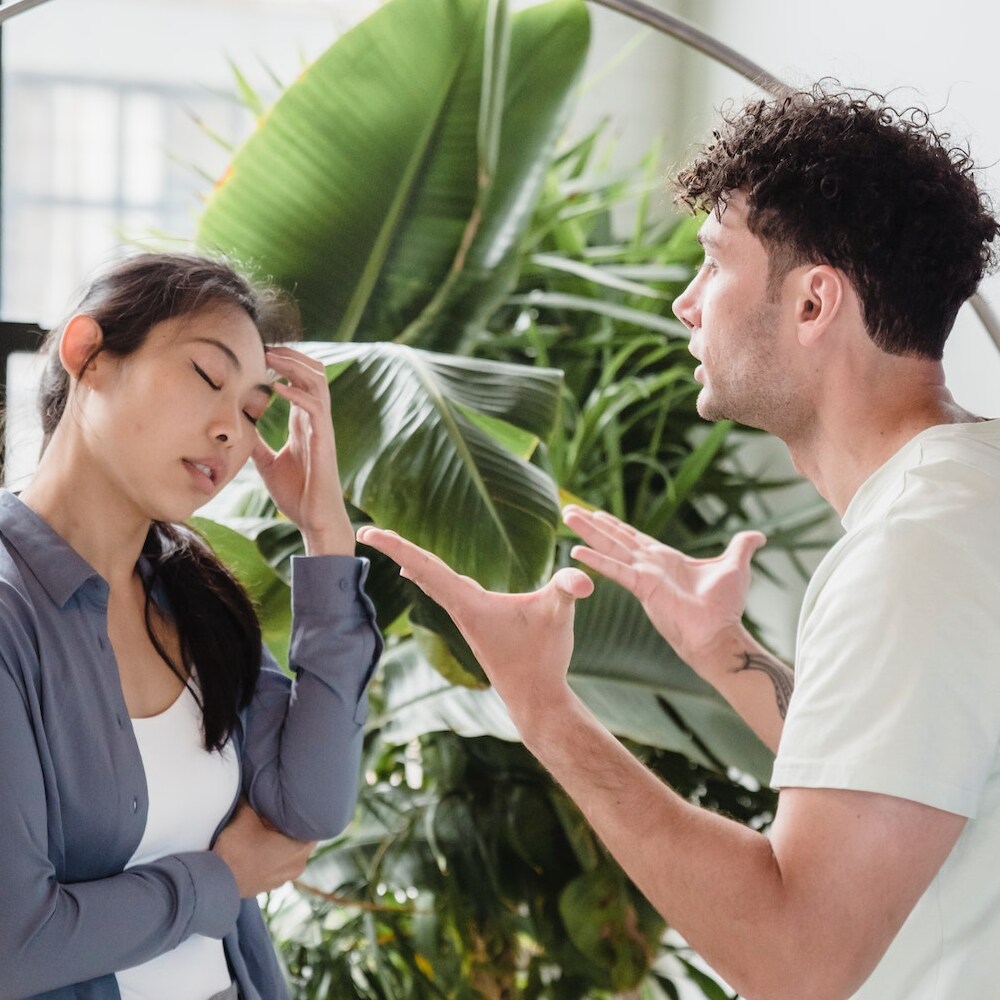
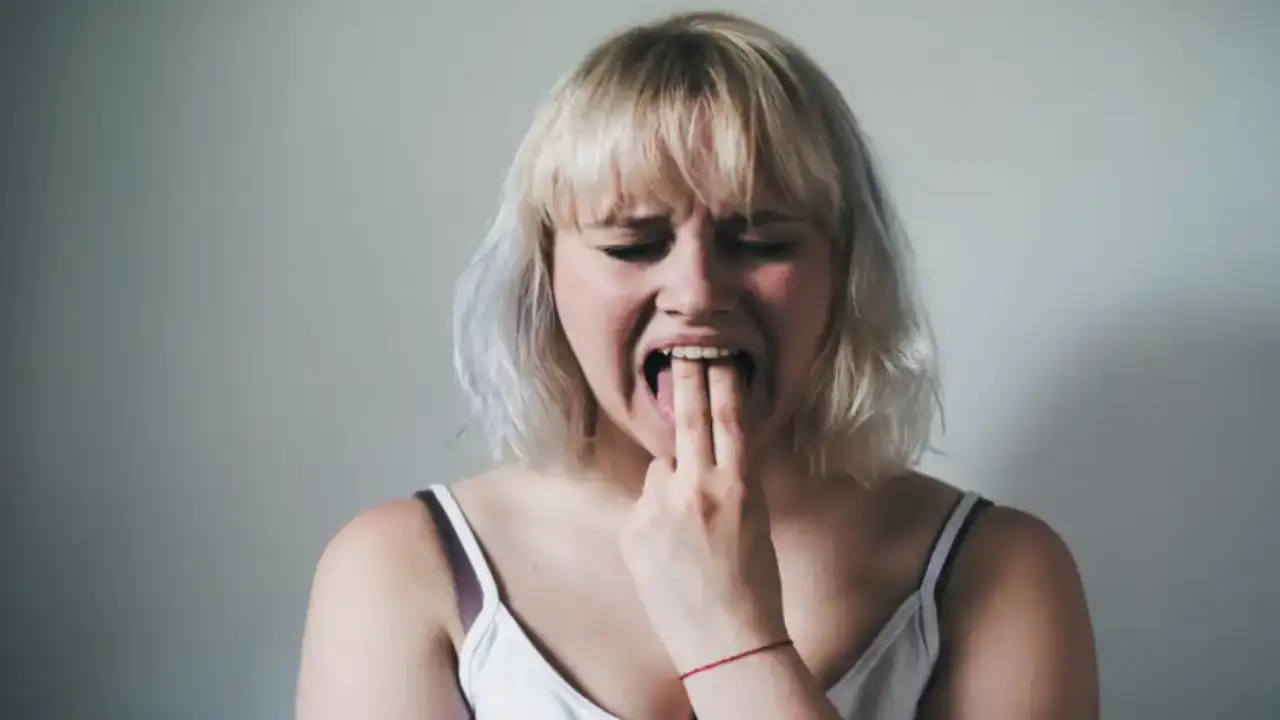
Are you experiencing anxiety, depression and panic attacks? Be cautious, as your PCOS issue may be impacting your mental health. According to new research, women with Polycystic Ovary Syndrome (PCOS) are more prone to suffer from mental health issues.

What is PCOS?
PCOS affects the way the ovaries function and is characterised by irregular periods, excess androgens - a high amount of ‘male hormones’ in the body - and polycystic ovaries, in which the ovaries swell and contain a large number of fluid-filled sacs that surround the eggs. And now, PCOS has revealed another devastating fact: women with the disorder may be more likely to suffer from mental health issues.
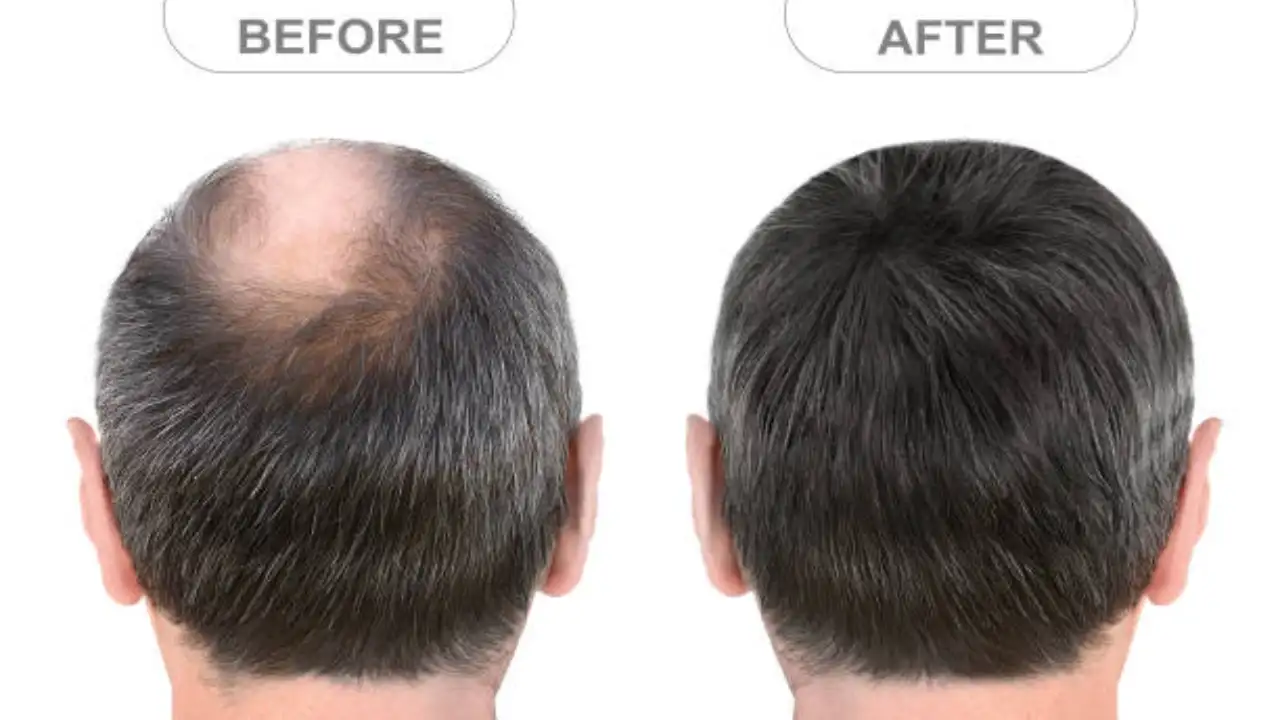
Because of the irregularity of hormones, PCOS is a key contributor to mental health difficulties in women. Testosterone, which is present in excessively high amounts in women with PCOS, causes physical problems such as male pattern hair growth, acne, thinning or loss of scalp hair, oiliness of skin, and psychological problems such as irritability, aggressive behaviour, and depression.
Why does PCOS affect mental health?
A person's ideals and the culture in which they live will influence the features they find distressing. These same qualities can have an effect on the emotional well-being of persons who do not have PCOS. People with PCOS are more likely to suffer from sadness and anxiety, independent of their weight, age, socioeconomic status, facial and body hair, or fertility status.
Stress levels appear to be higher in women living with PCOS infertility due to the added impact of low body image as well as psychosocial repercussions connected with infertility. This sense of hopelessness may even lead to binge eating, worsening obesity and the symptoms of PCOS. As a result, PCOS sufferers are caught in a vicious cycle of hormone imbalance and low self-esteem. Sleep deprivation, low self-esteem that leads to worthlessness and dissatisfaction, and even suicidal thoughts are all intricately associated with the fine balance of hormones that is badly disrupted in women who do not prioritise their health.

What treatments are available?
People with PCOS who are depressed or worried, or who observe changes in their mood, should speak with their healthcare professional about treatment options. There are numerous treatments available to aid with mental health disorders. When hormone imbalances are remedied through basic methods such as exercise, dietary restrictions and alterations, psychological manifestations such as anxiety, depression, mood swings, and binge eating are naturally regulated.
Maintain a healthy weight- Maintaining a healthy weight can aid in the reduction of insulin resistance and the regulation of your menstrual cycle, and lowering your risk of PCOS-related disorders.
Diet changes- Eating the correct foods and avoiding specific ingredients may help with symptom control. A well-balanced diet can help control your hormones and menstrual cycle. Inflammation and insulin resistance can be exacerbated by eating processed, heavily preserved foods.

Balance your exercise- Gentle, low-impact workouts such as yoga or Pilates can be done for longer periods of time. Swimming and gentle aerobic exercise are also advised. High-intensity interval training and long-distance jogging may also help in the treatment of PCOS symptoms. Consult your doctor about the form of exercise that would be most beneficial to you.
Reduce stress- Cortisol levels can be regulated by reducing stress. Many of the measures suggested above, such as yoga, getting adequate sleep, and avoiding caffeine, can help to reduce stress. Taking walks outside and making time in your life for relaxation and self-care might also help you feel less stressed.
Have a word with your doc
If you are considering any of the natural therapy options for PCOS listed above, consult with your doctor to develop a treatment strategy. While herbal supplements and other therapies can help in PCOS therapy, they are not a replacement for a tailored, ongoing conversation with your doctor about your symptoms.
ALSO READ: 3 Effective communication exercises that help couples grow closer