JOIN OUR WHATSAPP CHANNEL





















































Here’s how domestic violence and abuse can impact on children’s mental health explains counsellor Arouba Kabir
Domestic violence can end up impacting a child's mental health a lot more than you think. Here's everything you need to know





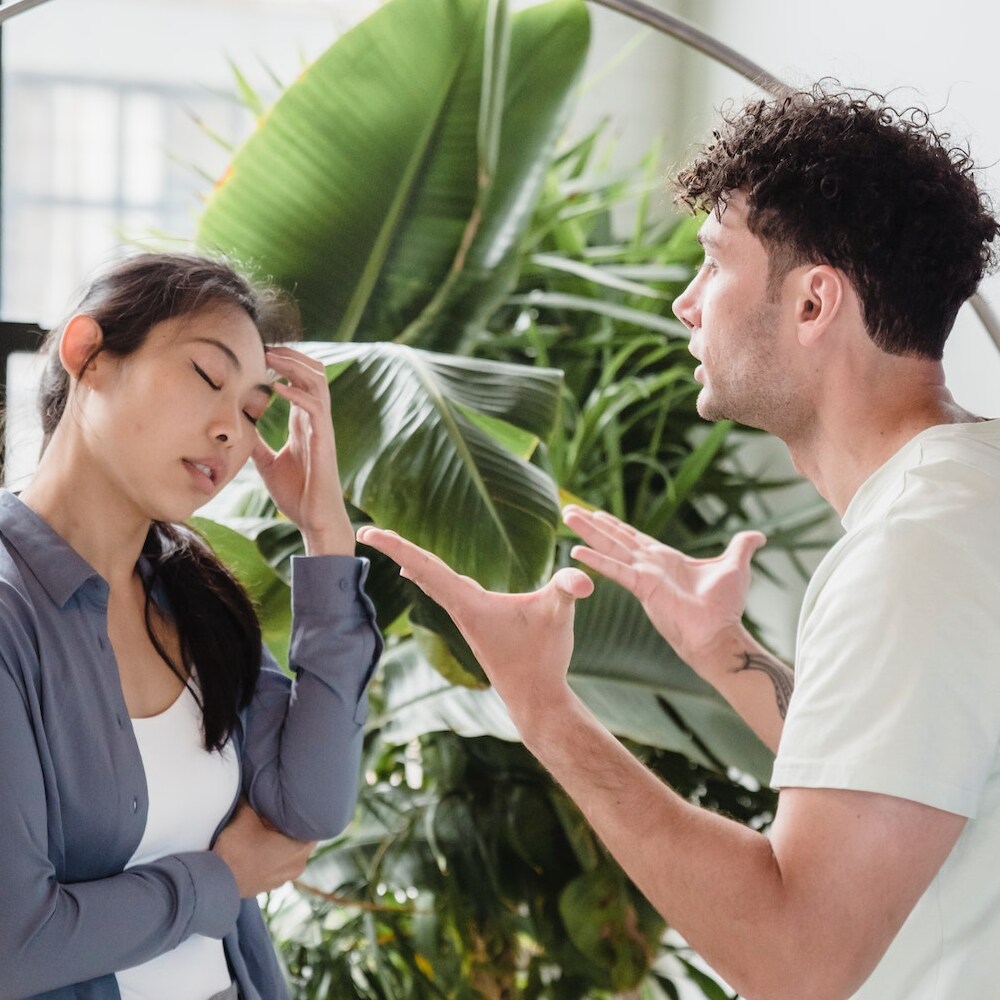
Abuse can be easily understood as abnormal use, wherein one person exercises their superiority over the other in an unacceptable manner. Domestic abuse is often regarded as physical violence, However, it can be multifaceted – Emotional abuse, Social abuse, Verbal abuse, Financial abuse are just some very common forms. Not having the freedom to express, having restricted access to cash, constantly being told how to behave are all as traumatizing for an individual’s mental health as being physically abused. However, society seldom gives weightage to the wounds it can’t see, thus matters of emotional and social abuse remain buried.
The abuse can be an exchange between partners; however, it possesses an innate ability to affect the children in the house directly and indirectly. Often people who like to exercise their superiority, take out their wrath on the children as well and sometimes exchanges between parents leave the child trapped with feelings of anxiousness, fear, guilt and numerous others.
The child who is a spectator often develops short term and long term emotional illness. They grow into individuals who are either highly sensitized and get fearful and anxious at the smallest of things and always have their guards up or grow into individuals who eventually in life indulge in various forms of abuse with their future partners.
It’s imperative to acknowledge how both of these situations can be detrimental to a child’s mental health.

Here are some points by Mental Health Counselor Arouba Kabir:
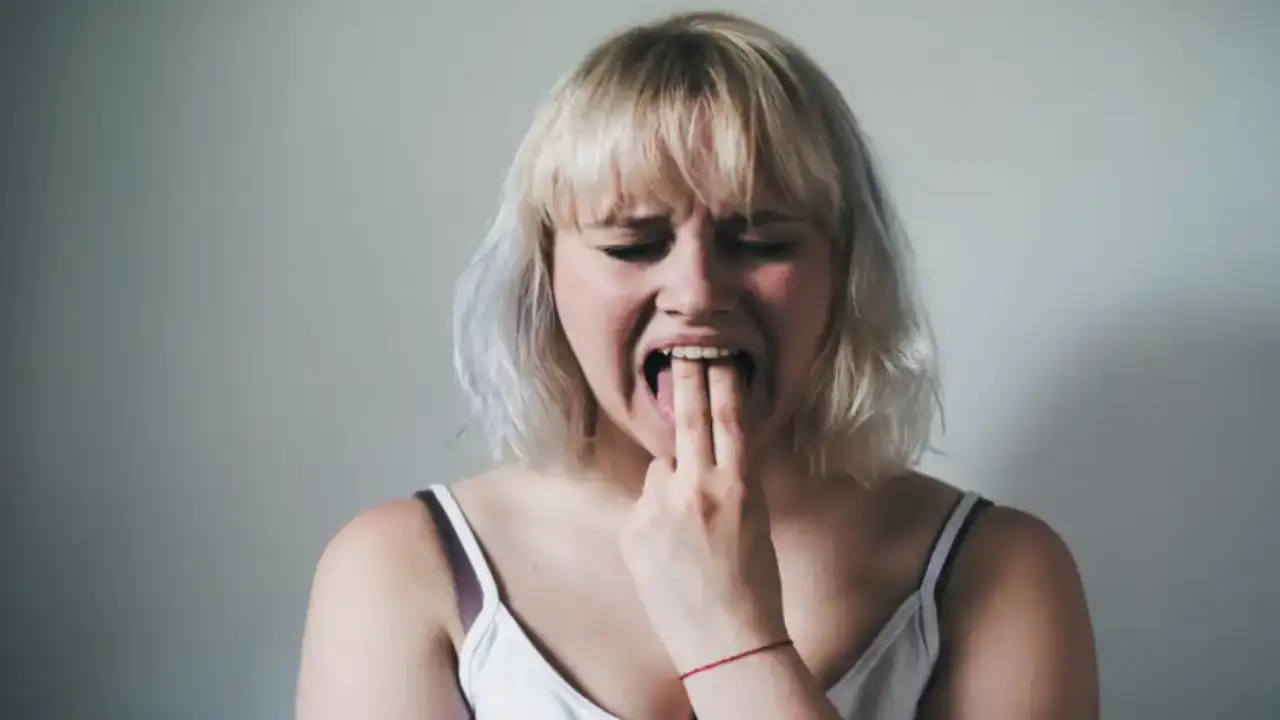
- Children in preschool. Behaviours like such as bed-wetting, thumb-sucking, increased crying, whining, difficulty falling or staying asleep; show signs of terror, such as stuttering or hiding; and show signs of severe separation anxiety may develop.
- School-aged children. Children in this age may feel guilty about the abuse and self-blame and low self-esteem is seen. They tend to stay isolated which results in pro grades, fewer friends, less activity participation with many health complaints.
- Teens. Teens who witness abuse may have low self-esteem and have trouble making friends and act out in negative ways, such as fighting with family members or skipping school. They may also engage in risky behaviours, such as having unprotected sex and using alcohol or drugs, start fights or bully others and are more likely to get in trouble with the law. Girls are more likely than boys to be withdrawn and to experience depression.
The child needs to be provided with a safe space to grow, their fears should be addressed. Children who’ve been spectators have to be taught about building healthy relationships, setting boundaries, consent and respecting other people’s space and boundaries. If one is unable to help their child, reaching out to a professional may seem like a viable option as these trained individuals can help break the cycles of dreadful thoughts and fear, and instil hope and positivity in these young minds.

This lockdown has seen an increase in the cases of domestic violence, it’s thus very important to realize and address the pent up energy in the right way-channel it into something productive and maintain a healthy mind. But it is equally important to provide an outlet for the victim in these times when they are locked down with the offender and they can’t go out and talk. Thus increased awareness regarding virtual tools available to anyone who needs any mental support needs to be spread.
Overall, be it the victim, the offender or the spectator, any form of abuse has a potential to lead to mental unrest which over time may lead to mental illness and affect multiple areas of your life – Personally and Professionally. So it’s important to understand the reason for the unrest, break the cycle and empower the affected so that everyone can lead a life filled with peace, hope and harmony.
- Inputs by: Arouba Kabir, Mental Health Counselor, Founder Enso Wellness