JOIN OUR WHATSAPP CHANNEL













































8 remedies that help deal with anxiety attacks
Anxiety attacks are uncontrollable phases in a person’s life. It is important to treat them before they get worse.





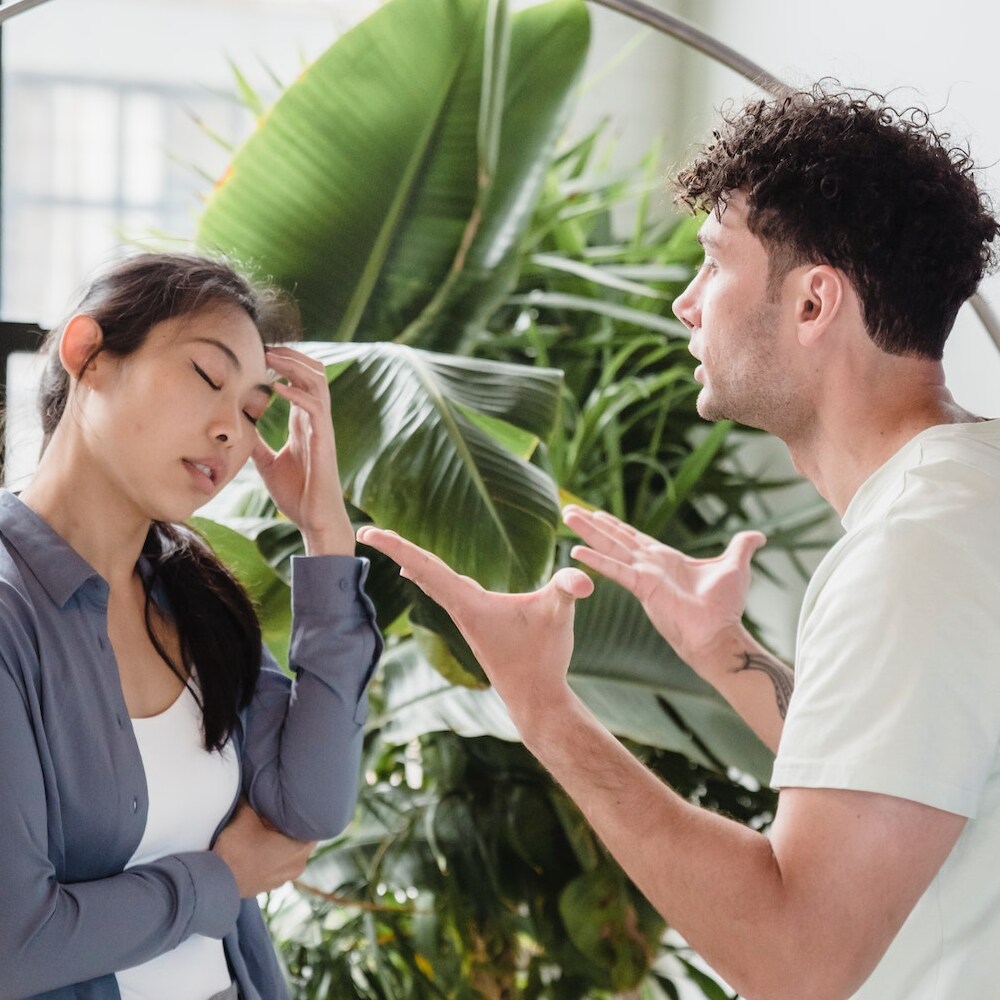
These are unpleasant experiences which are awful, intense and frightening. Anxiety attacks can last from a few moments to many hours. People dealing with anxiety attack become concerned that something is going to harm them and this makes them anxious. This promotes stress response. A person is expected to change emotionally, psychologically and physiologically. An anxiety attack may be terrifying but if you want it to end, it will. It affects different people in different ways. Some might experience a low degree of anxiety while some have very high anxiety.
What are the symptoms of anxiety?
A feeling of overwhelming fear
Feeling of going crazy or losing control
Feeling you are in grave danger
Feeling you might pass out
A surge of doom and gloom
An urgency to escape
Dizziness
Heart Palpitations
Trembling
Sweating
Shortness of breath
Chest pressure or pain
Turning pale
Feeling detached from reality
Weak in the knees
Burning skin
Pins and needles
Hot and cold flushes
Numbness and tingling sensations
These symptoms vary from person to person. The above symptoms may also be accompanied by emotional changes like sudden urge to cry, emotional distress, dizziness etc. It is important to take care of your mental health as well as physical health when you are dealing with anxiety attack. Anxiety can cause hurdles in your daily work routine and disturb your social life.
Check out these remedies to treat your anxiety.
Lavender
Lavender herb acts as a natural remedy for treating anxiety. It helps to calm the mind. Lavender helps with restlessness, nervousness and insomnia.
How to use: Put few drops of lavender oil on your pillow cover before you go to sleep at night.
Get 15 mins of Sunlight Everyday

Sunlight is the most natural way to treat your disorders. Sunlight increases levels of Vitamin D in your body which decreases anxiety disorders and depression. Make sure to get at least 15 minutes of natural sunlight daily. Take a stroll in the morning.
Bathe with Epsom Salts
A hot soothing bath is always refreshing. Epsom salt has magnesium sulfate which has proven to calm anxiety. It also lowers blood pressure and regulates your mood.
How to use: Stir some Epsom salt in water. You can also add lavender oil with it.
Reduce Caffeine Intake

Caffeine boosts your energy and makes you feel jittery. But, at the same time it increases your anxiety. Cut down on your caffeine intake. Coffee lovers who find it difficult to cut down can reduce step by step by consuming half cup a day. Switch to beverages with low caffeine content.
Sleep is important
Insomnia is one of the major symptoms of anxiety. Make a habit to go to bed early. Do not use mobile phones or watch TV while you sleep at night. Make a habit to sleep at the same time every night. Complete your sleep.
Eat Healthy

Low blood sugar levels, dehydration and eating artificial flavoring may cause mood changes. Eating healthy keeps you happy. Improve your eating habits to see faster results of improved anxiety.
Deep Breathing
Shallow, fast breathing is common with anxiety. This leads to a fast heart rate, dizziness or lightheadedness. Practice deep breathing exercises; take slow, even, deep breaths. This helps restore normal breathing patterns and reduce anxiety.
Meditate

The main goal of meditation is to remove chaotic thoughts from your mind and replace them with a sense of calm and mindfulness of the present moment. Meditation is known for relieving stress and anxiety.