JOIN OUR WHATSAPP CHANNEL
















































Vicky Kaushal suffered from scary sleep paralysis: What are signs, causes and treatment of it?
Have you too experienced sleep paralysis? Check out the signs, causes, treatment and other information about the same.





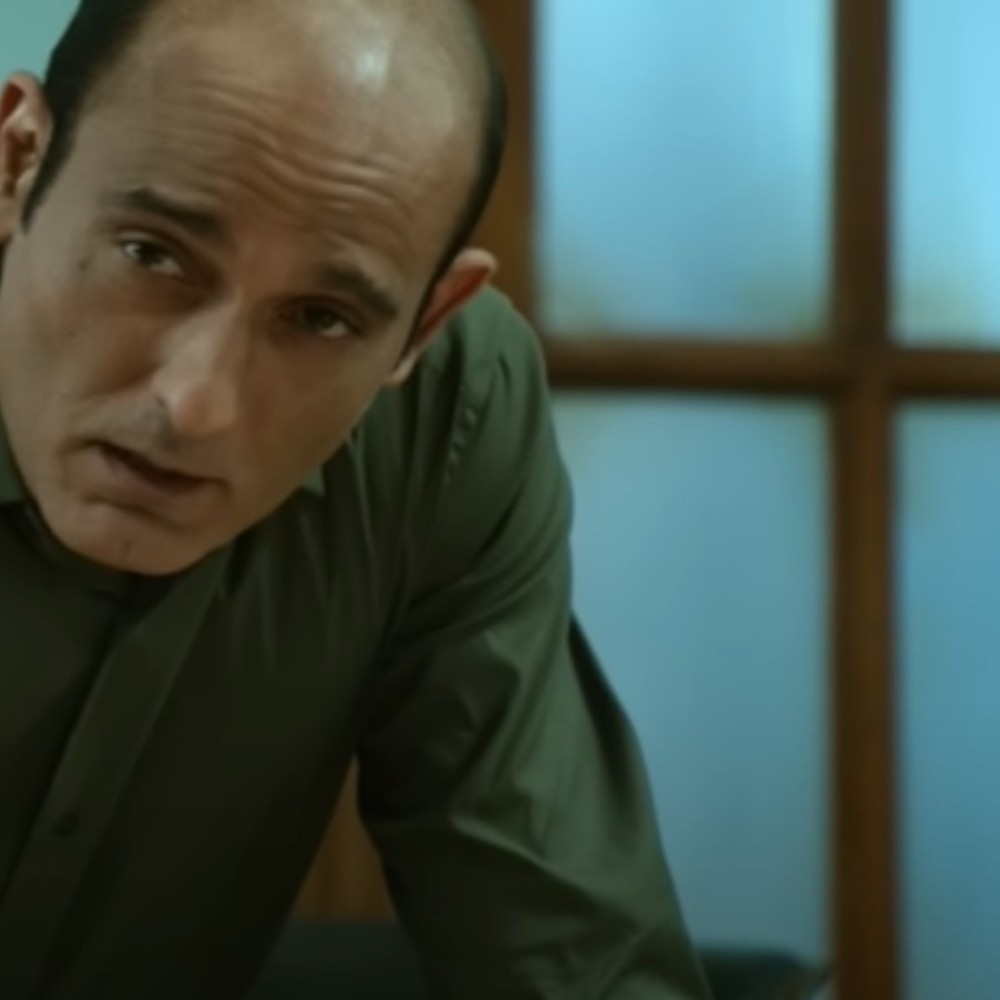
Bollywood actor Vicky Kaushal, who has given several impactful performances in movies such as Uri, Masaan, Sanju and Raazi among others,today revealed that he has suffered from sleep paralysis few times and added how it is "damn scary." For the unversed, during his social media AMA session when one of his fans asked whether he had ever experienced bhoot in real life to which Vicky said, “I have experienced Sleep Paralysis a couple of times... it’s damn scary. Read about it!”If you are curious to know what is sleep paralysis and its signs, causes, and treatment, then you are ar the right place as today we are focusing on this topic.
So what exactly is sleep paralysis? It is actually a temporary loss of muscle function while you’re sleeping. It is not life-threatening, however, it is scary. During the same, you are unable to speak or move and it can last for a few seconds to around 2 minutes. As per the American Academy of Sleep Medicine, many experience this condition for the first time between 14 and 17 years old. Sleep paralysis mostly happens either at the start of sleep or upon awakening. You may also feel fear and hallucinations too. Let's find out about signs, causes and treatments of it.

Signs and symptoms:
Unable to move the body when asleep or on waking
Unable to speak during the episode
Feeling pressure on the chest
Difficulty in breathing
Sweating
Feeling of being pushed down
Feeling of someone or something is in the room
Intense fear
Visual, auditory, and sensory hallucinations.
Causes:
Insomnia
Jet lag
Narcolepsy
Bipolar disorder
Post-traumatic stress disorder (PTSD)
Anxiety disorders
Depression
Treatment and prevention:
SP is not a medical emergency and symptoms get resolved within a few minutes, however, the same can be frightening. It doesn’t typically require treatment, however, if you have signs of narcolepsy, then you should consult a doctor. You can prevent it by reducing stress, by exercising regularly, by maintaining a regular sleep schedule and check if there are any side effects of any medications. If you are already suffering from anxiety or depression, then antidepressants may help you to keep sleep disorders at bay.
Tips for better sleep
Have a comfortable sleep environment
Reduce light exposure in the evening
Avoid using cellphones during bedtime
Get good light exposure during day time
Avoid napping after 3 pm
Avoid heavy dinner
Avoid alcohol or caffeine products
exercising daily, but not around bedtime