JOIN OUR WHATSAPP CHANNEL


































PCOS: Here's how it may affect body image and mental health issues
Dr. Khushboo Thakker Garodia Trichologist, an Integrative Health Expert & the Founder of Meraki Wellbeing has shared how women with PCOS can suffer from negative body image and mental health issues.





PCOS is a condition in which the levels of the sex hormones, oestrogen and progesterone, go out of balance in a woman and it impacts her menstrual cycle, fertility, cardiac functions and even her physical appearance. We all know that women with PCOS have higher than average rates of depression, low self-esteem and anxiety, but did you know that PCOS depression is often a result from body image issues, not androgen imbalance?
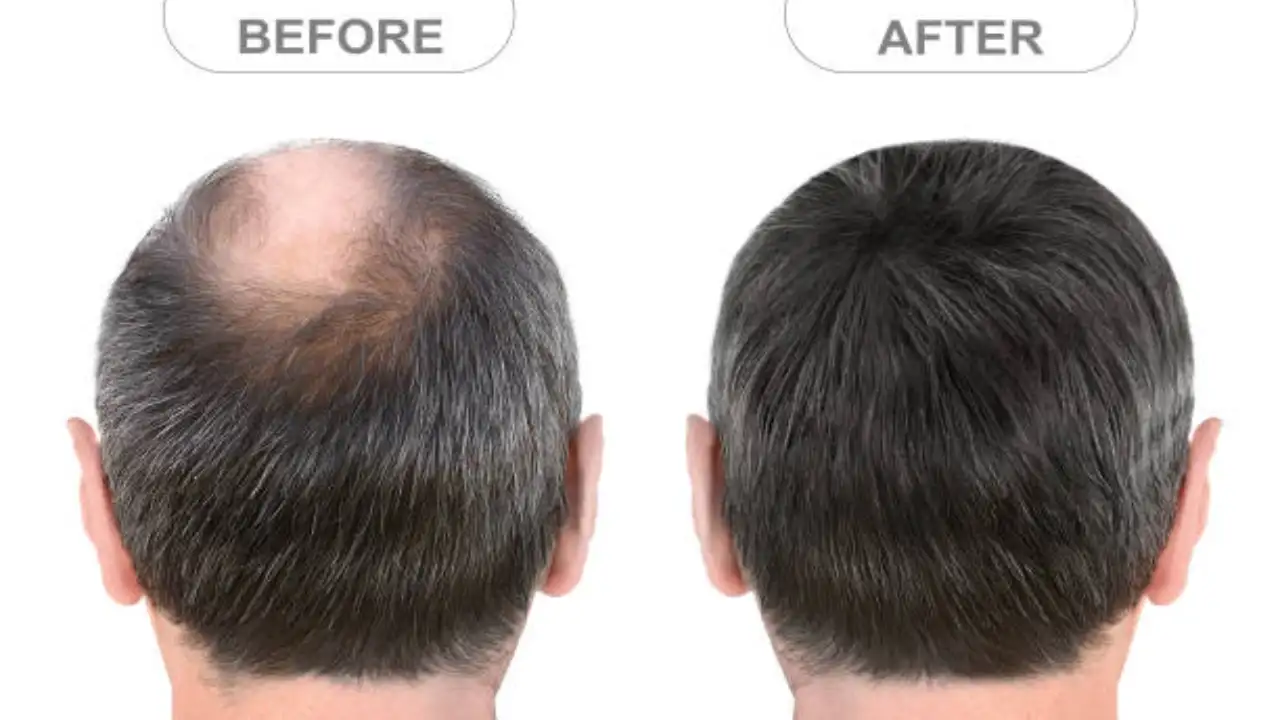
While PCOS leads to hair thinning on the scalp, it encourages male-pattern growth of hair on the face and body. It also impacts the weight and even the skin starts breaking out. PCOS is the underlying cause of 75% of female infertility. With PCOS, you have a base hormonal imbalance with too many male hormones, which gives excess facial and body hair, to this add an excess fat that settles in the abdomen, giving the “middle-aged male body look” and fertility issues to deal with. And when you further add in acne and hair loss on the head, this brings shame, fear of being judged and dismissed. This often leads to women feeling less feminine.
Body image is an uncomfortable thing to talk about and physical insecurities are hard to even acknowledge aloud. These symptoms of PCOS challenge our ideas about femininity and how women are ‘supposed’ to look. Many women with PCOS feel less physically attractive, physically fit and healthy. This can be very difficult to cope with emotionally.
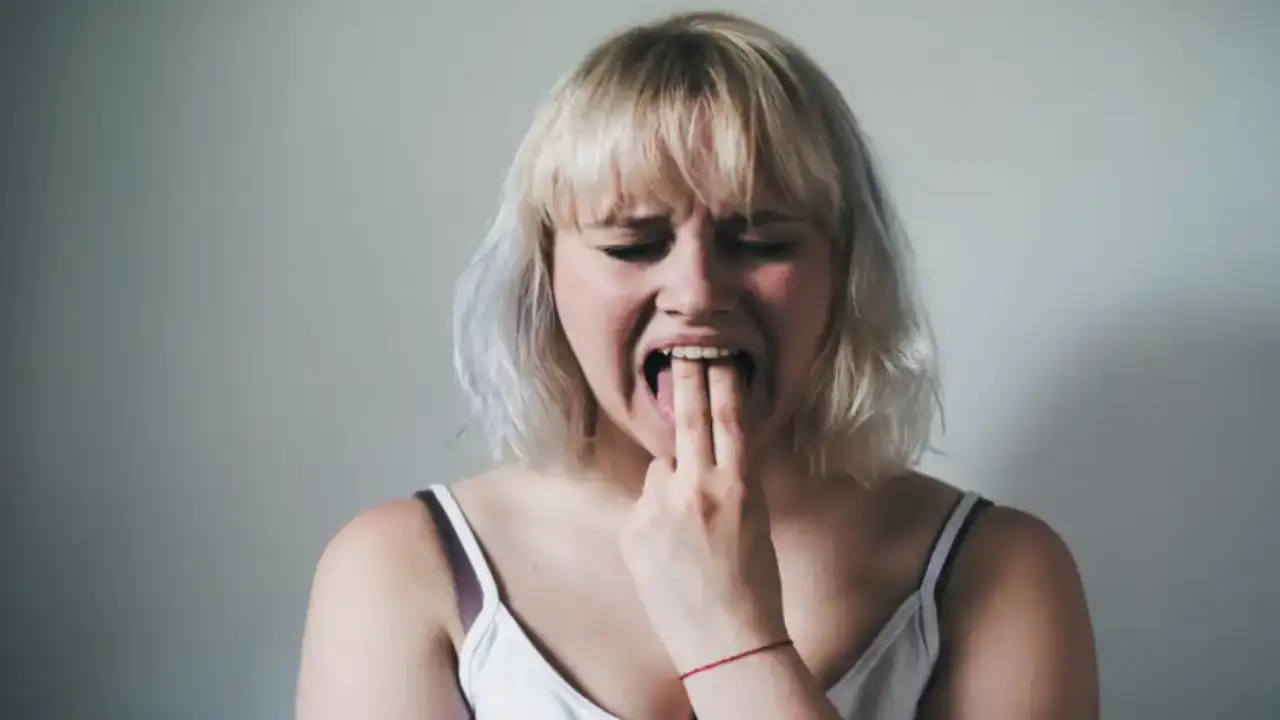
Having personally worked with girls suffering from PCOS, Dr. Khushboo is well aware of how the girls feel self-conscious, which reduces their self-esteem and confidence and in turn affects their behaviour. For example, a patient suddenly restricted her eating, started to obsess over food and stopped spending time with her friends - it took a lot of counselling to get her to accept her situation and to respect and love her own body.
For different people, or at different times, different symptoms can trigger anxiety, it is important to seek treatment for these symptoms and also work on your emotions
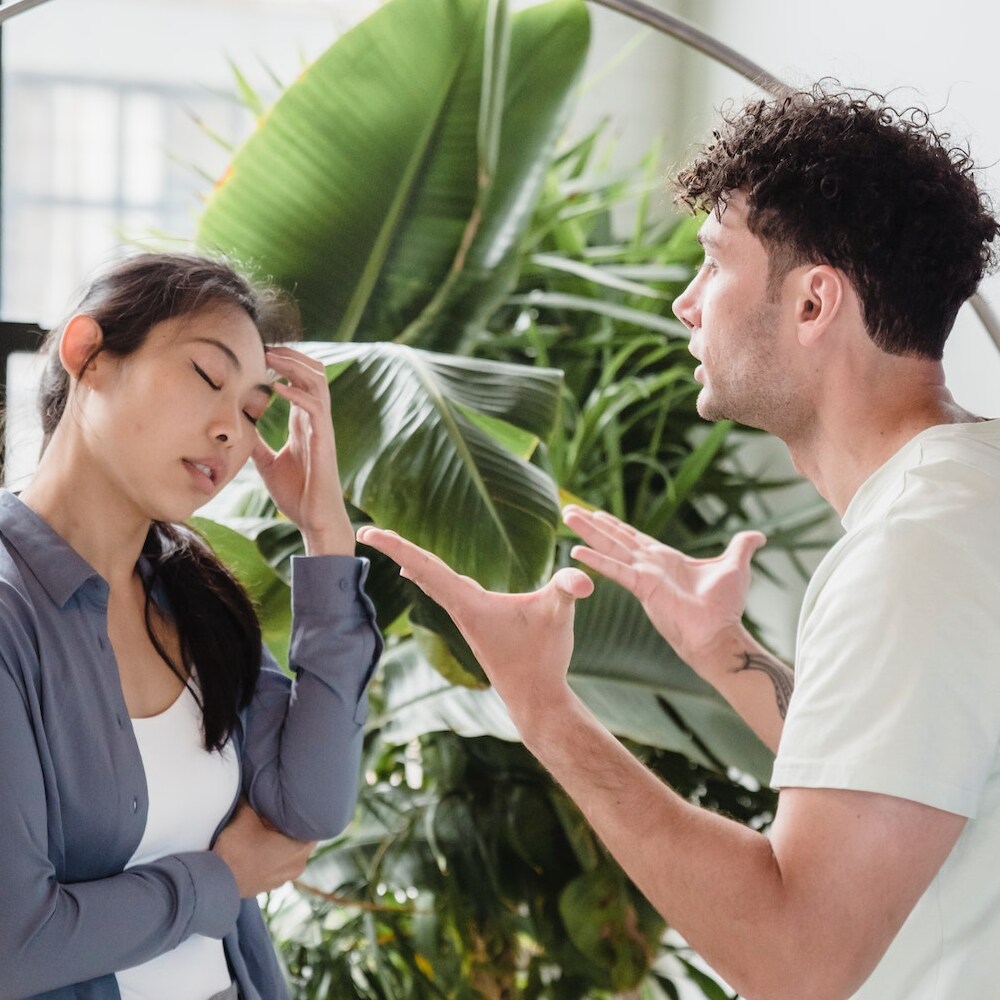
People who are affected by PCOS are judged and misunderstood for being difficult to handle, moody, and non-participatory. They sometimes are even misunderstood by their own family and relatives. Intimate relationships can be tough because the extra testosterone which messes up the sex drive either to make it slump, be non-existent or to kick it into overdrive. The extra weight gains and unwanted hair further affects intimacy because of shame and self-consciousness. Education is key for the patient and for loved ones, so they can understand why someone with PCOS may seem cranky all the time.
Dr. Khushboo encourages the girls who think and do suffer from PCOS to ask themselves these simple questions in order to take charge of their own emotional health:
Do I feel down, low, depressed or hopeless?
Have I lost interest or pleasure in doing things I usually enjoy?
Do I worry a lot about the way I look?
Do I feel guilty, depressed or disgusted about my eating?
If you answer yes to any of these questions, it is important to seek help from a health professional. Each woman’s experience of PCOS is individual and will also change across the course of her life. It is important that your treatment is highly personalised to meet your specific needs at any particular time. Many treatments are available for a range of emotional health problems. Some women can benefit from just a few sessions of counselling, whereas others might benefit from the support of ongoing counselling.
A complete integrative approach is a right way and a more holistic and comprehensive way of managing PCOS. Dr. Khushboo Garodia believes that good health begins with great sleep, the right food, daily meditation, exercise, and a good support system.
By Dr. Khushboo Thakker Garodia. She is a Homeopath, Trichologist, an Integrative Health Expert & the Founder of Meraki Wellbeing.