JOIN OUR WHATSAPP CHANNEL















































Depression vs Sadness: What is the difference between the two?
Are you sad or depressed? Read on to know the difference.





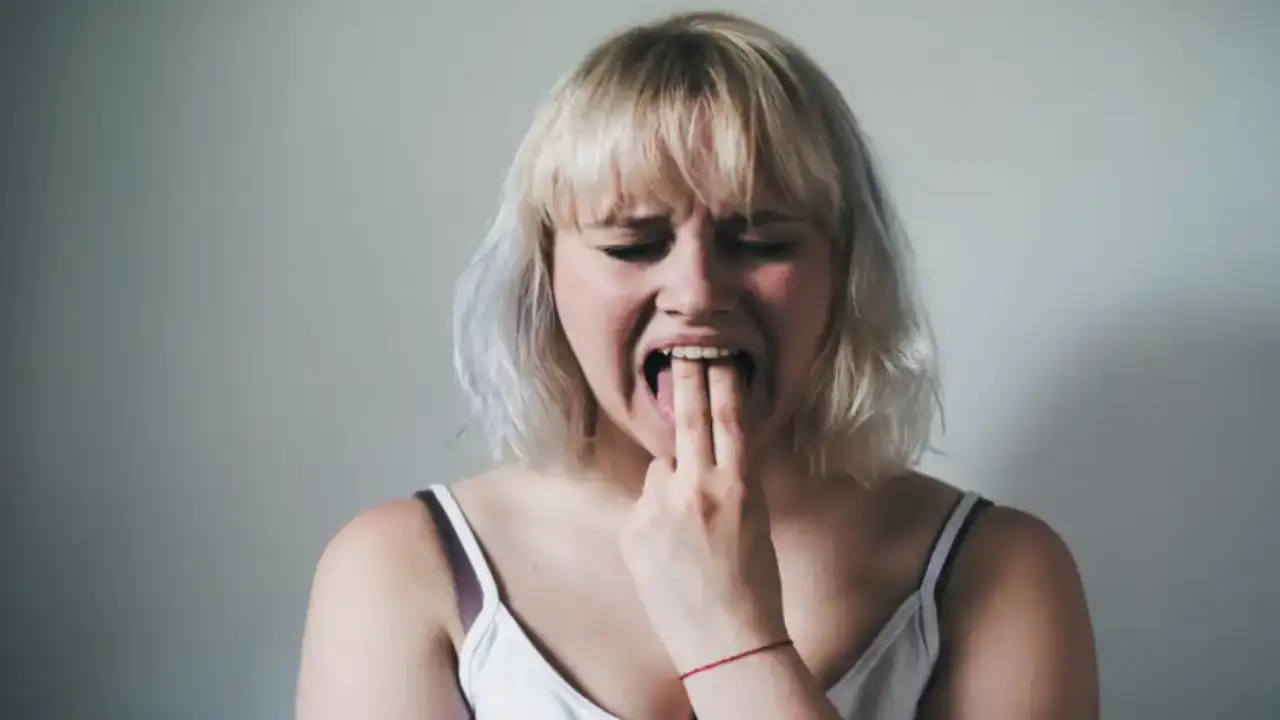
The feelings of unpleasantness are not uncommon. They often creep in from time to time, especially when you’re young. Life might seem like a long journey of failures and setbacks, while you try to survive your way through it. This is part of most of our lives and we often feel sad. Sometimes sadder than usual, so much so that you might think you’re depressed. But how do you know if it's extreme sadness or critical depression?
It is hard to tell if you are sad or depressed, majorly because they both have the ability to turn your life upside down. However, it is important to know the difference between the two to have a clear sense of what you’re going through. While sadness is a reaction to loss, disappointments, problems and difficult situations, depression is a mental illness that can have a severe effect on your mood and the way you behave.
Depression VS Sadness
The problem lies in the fact that people often confuse the primary symptoms of pervasive sadness with critical depression, which can be a huge problem if not addressed in time. Your confusion can lead to neglecting a serious mental health condition – depression. Read on to know the difference.

What is Sadness?
Sadness is a human emotion that almost every person experiences more than once in their lifetime. It can be triggered by hurtful, challenging, disappointing events that leave us devastated. It is a natural reaction to emotional and hurtful situations in life. But after a while when everything goes back to the way it was or you move on, it fades away.
A person suffering from sadness might also find relief by crying, venting it out or letting go of the frustrations. It goes away with time. But if it persists longer than 2 weeks, it could be a sign of depression. You should get it checked in case that is the problem.
What is Depression?
Depression, on the other hand, is a long-term mental illness that impairs our thinking, behaviour and perceptions. When you’re depressed, you feel sad all the time and about everything. It does not need a situation or event to get triggered, it will and does occur without the presence of any of the triggers.
The Symptoms
When you’re sad, you might have moments where you are able to laugh or be comforted. But when you’re depressed, you are unable to find enjoyment anywhere. While sadness is an emotion, depression is a mental illness. Symptoms of depression include:
1) Lack of concentration or inability to make decisions.
2) Lethargy.
3) Feelings of worthlessness and hopelessness.
4) Constant feelings of sadness.
5) Loss of interest in activities you once loved.
6) Feelings of deep guilt, without any particular cause.
7) Restlessness.
8) Loss of appetite or overeating.
9) Feelings of emptiness.
10) Irritability.
11) Suicidal thoughts or actions.
12) Aches and pains that won’t go away.
ALSO READ: Mental Health Facts & Statistics: These eye opening facts on mental disorders will make you rethink
Final Thoughts
Everyone in their lives feels sad at some point or the other. You will have moments when you will feel gloomy and want to curl up in the blanket and cry. This is sadness – a normal human emotion that fades away in no time. Whereas depression is way more serious and a long-term mental condition that makes everything look negative. It feels like your body is shutting down all its functions. Knowing the difference can help you recover and get the proper treatment.
It is possible to overcome both sadness and depression, once you understand what exactly is going on in your brain. The second most important thing to do is get an early diagnosis and treatment to reduce the suffering and the risk of suicide.
If you experience even half of the symptoms of depression for longer than two weeks, you should talk to a therapist. You can also talk to someone you trust, a family member or a friend. Talking about your feelings is one of the most effective ways of taking the first step towards recovery.
ALSO READ: Here are the ways to prevent stress eating during the COVID 19 lockdown