JOIN OUR WHATSAPP CHANNEL




















































Follow THESE Do's and Don’ts of stretching to reap maximum benefits
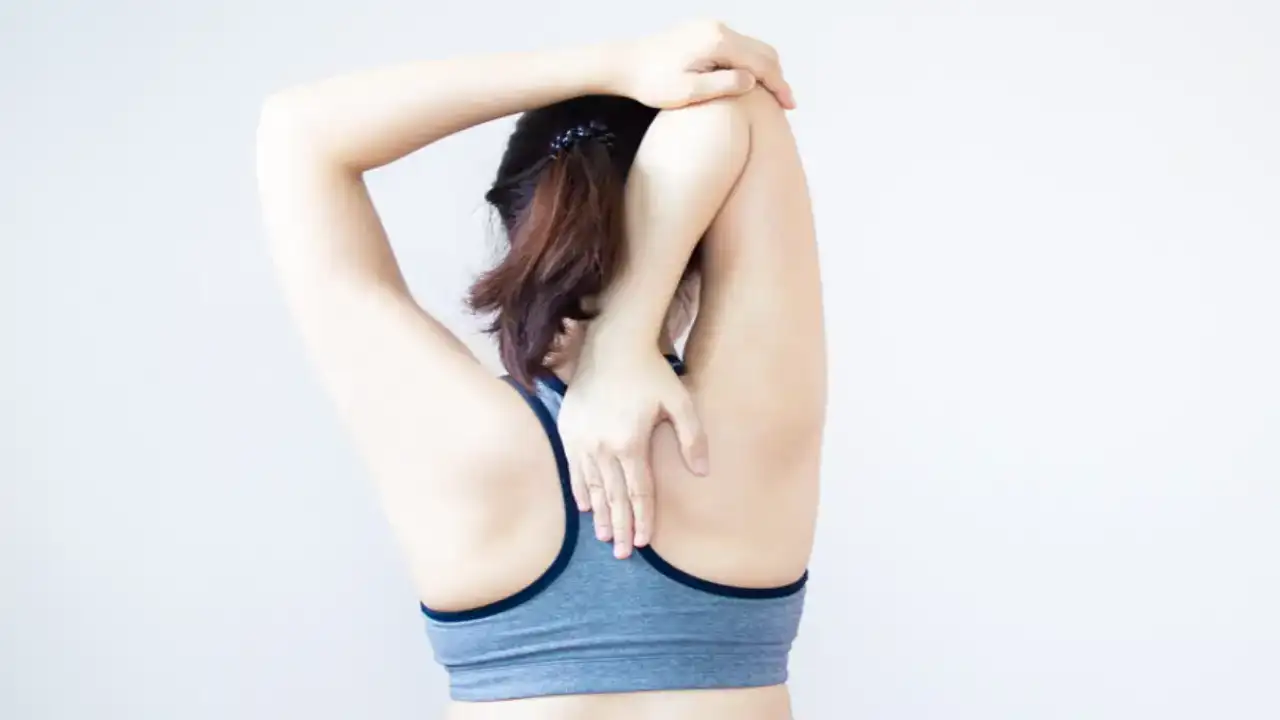
Stretching is good for improving flexibility and reducing body pain. But if not done correctly, it can result in injuries and increase muscle soreness.





It is always said that before doing a hardcore workout, stretching is essential since it avoids injuries and helps our body to warm up. Stretching your body regularly helps improve flexibility and posture. It is also effective in reducing stiffness from the body and body aches. While stretching is indeed beneficial, overdoing it or not giving your body enough time to cool down, can result in body pain and muscle pulls. Have a look at some of the do's and don’ts that you should follow to stretch the right way and at the right time.

Do's
Warm-up
Contrary to popular opinion, stretching is not the same as warming up. Warm-up is done to prepare the body for the hardcore workout and involves easy cardio like lunges and squats. So warm up the body without stretching to get it ready for the workout.
Cool down
Once the workout is done, give time to your body to cool down and to bring your heart rate to normal. If you want to stretch, do it after the body has recovered from the strenuous workout. To reduce soreness after a workout, walk or perform easy-paced exercises to reduce the discomfort and to keep your body moving.
Stretch regularly
Since your normal routine mostly involves sitting for most of the day, stretching regularly is a must for the body to improve its flexibility and its performance during the workout.

Don’ts
Stretch immediately after the workout
Since your body is already sore due to the hardcore workout, stretching immediately after the workout can worsen the soreness, as the flow of blood in the muscles decreases while stretching. So wait for your body to cool down before stretching.
Stretch during a warm-up
Stretching while warming up can hamper your ability to perform exercises properly as it increases oxygen demand and reduces the balance that is needed to do exercises like squats. It makes your muscles sluggish and decreases stability.
ALSO READ: Bronchitis: Symptoms, causes, risk factors and prevention tips for THIS condition