JOIN OUR WHATSAPP CHANNEL



















































EXCLUSIVE: Experts say ‘facial dysmorphia’ is on the rise, know what it is and what are the ways to fight it
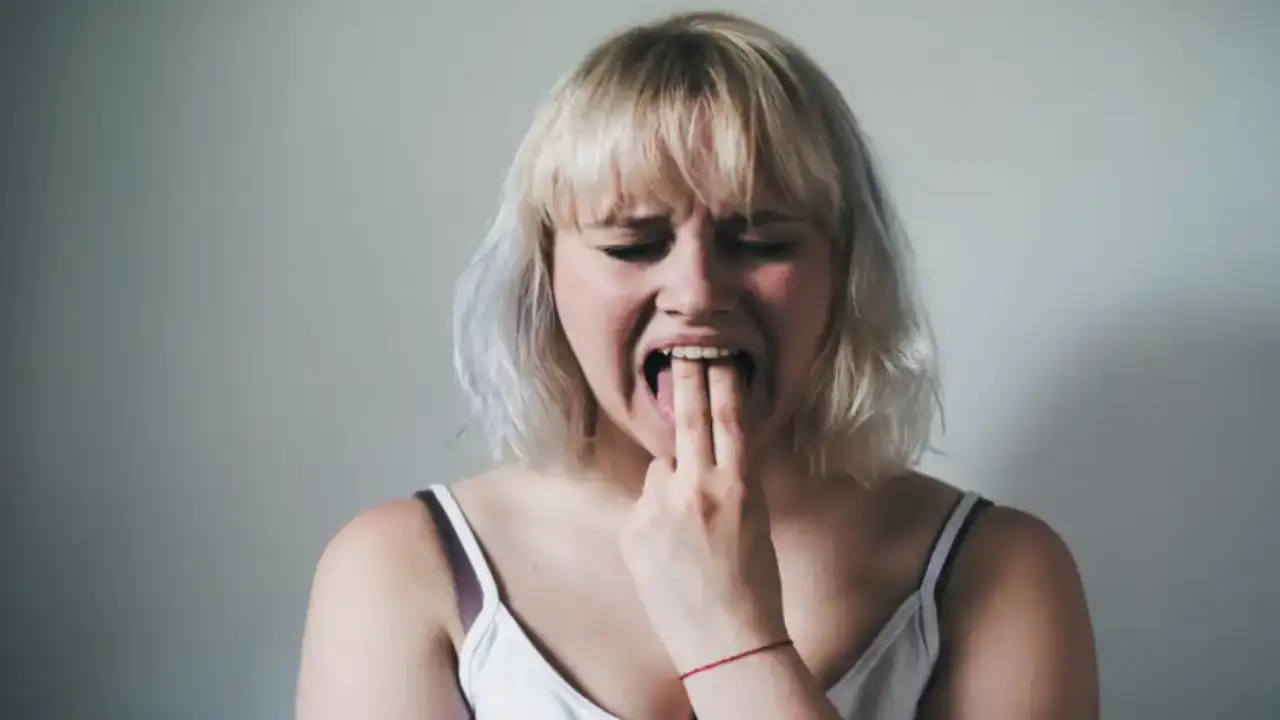
Facial dysmorphia or body dysmorphic disorder is predominantly a mental health condition, where the person suffering from it has a distorted perception about the appearance of the face.





The individual also has a similar viewpoint on how his/her nose, eye and teeth look like. Their inaccurate and negative thoughts about their facial appearances are so intense that it starts affecting their lives severely. For people with facial dysmorphia, the obsession about their self-imagined flaws is their biggest source of anxiety. When the illness becomes extreme, the person becomes a recluse and complete home-bound to hide the despised appearance. It has also been observed that 20 per cent of people suffering from facial dysmorphia end up committing suicide. The cause of the illness is still to be known. But mental health experts believe that people who were emotionally or physically abused as a kid are more prone to this condition.

However, in the last year, more incidences of facial dysmorphia have been reported because people have been seeing themselves on-screen through video calling options for their day to day activities. Before a pandemic, having a conversation means interacting normally by looking at the person’s eye while you were speaking to but now people are watching themselves and seeing more of their perceived imperfections. That pixilated version of themselves on screen is giving them anxiety about their face and triggers anything from mild insecurity to severe unhappiness. The condition affects one in 50 people and prominent symptoms include a high amount of distress over a particular body part or feature, spending many hours of the day worrying about it and feeling intense disgust and shame.

Treatment for facial dysmorphia often includes a combination of cognitive-behavioural therapy and medications. Cognitive-behavioural therapy for body dysmorphic disorder focuses on: Helping you learn how negative thoughts, emotional reactions and behaviours maintain problems over time. Challenging automatic negative thoughts about your body image and learning more flexible ways of thinking. Learning alternate ways to handle urges or rituals to help reduce mirror checking or reassurance seeking. Teaching you other behaviours to improve your mental health, such as addressing social avoidance. In some cases, your facial dysmorphic disorder symptoms may be so severe that you require psychiatric hospitalization. This is generally recommended only when you aren't able to keep up with day-to-day responsibilities or when you're in immediate danger of harming yourself. One needs to talk with a doctor or therapist about improving your coping skills, and ways to focus on identifying, monitoring and changing the negative thoughts and behaviours about your appearance.
About the author: Dr. Geeta Grewal, Cosmetic Surgeon and Wellness Expert, 9Muses Wellness Clinic, Gurugram
ALSO READ: EXCLUSIVE: Here's how to lay the foundation for healthy hair according to Shahnaz Husain