JOIN OUR WHATSAPP CHANNEL

















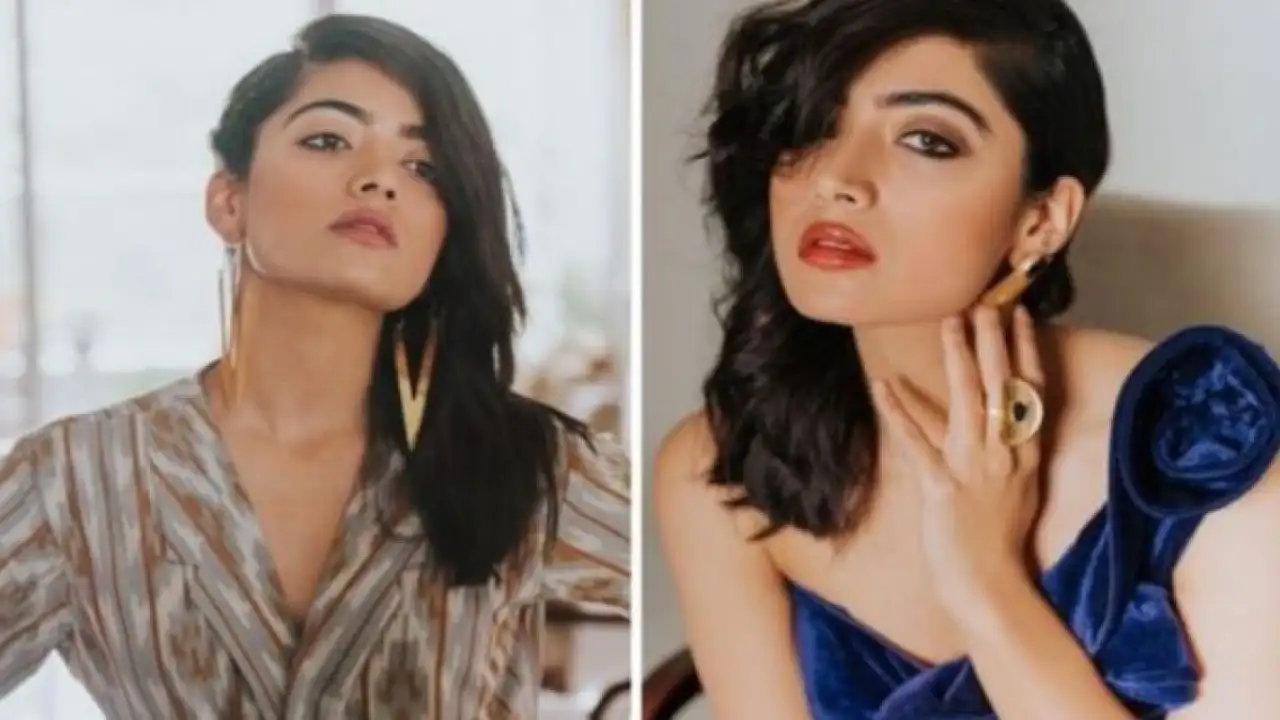






Padmaavat: Couturiers Rimple & Harpreet Narula decode Aditi Rao Hydari's Begum Mehrunissa look
Aditi Rao Hydari is seen playing the role of Allahudin Khilji's beautiful wife Begum Mehrunissa in Padmaavat. Designers Rimple & Harpreet Narula shared an insight about what went behind the making of Aditi's character's look.





It is an exciting time for couturiers Rimple & Harpreet Narula as they recently made their big Bollywood debut with Sanjay Leela Bhansali's Padmaavat. The designer duo has been styling B-town's leading ladies like Anushka Sharma, Sonakshi Sinha, Kangana Ranaut, Jacqueline Fernandez and many more.
But, this is the very first time that they have forayed into costume designing for the leading cast of the magnum opus film Padmaavat starring Deepika Padukone, Shahid Kapoor and Ranveer Singh. Other than these three mega-stars the film also features the beautiful and talented Aditi Rao Hydari and Jim Sarbh. In the movie, Aditi Rao Hydari is seen playing the role of Allahudin Khilji's beautiful wife Begum Mehrunissa. Speaking of her costumes, designers Rimple & Harpreet Narula shared an insight about what went behind the making of Aditi's character's look. They all spilled the details on her look in an Instagram post where they said-

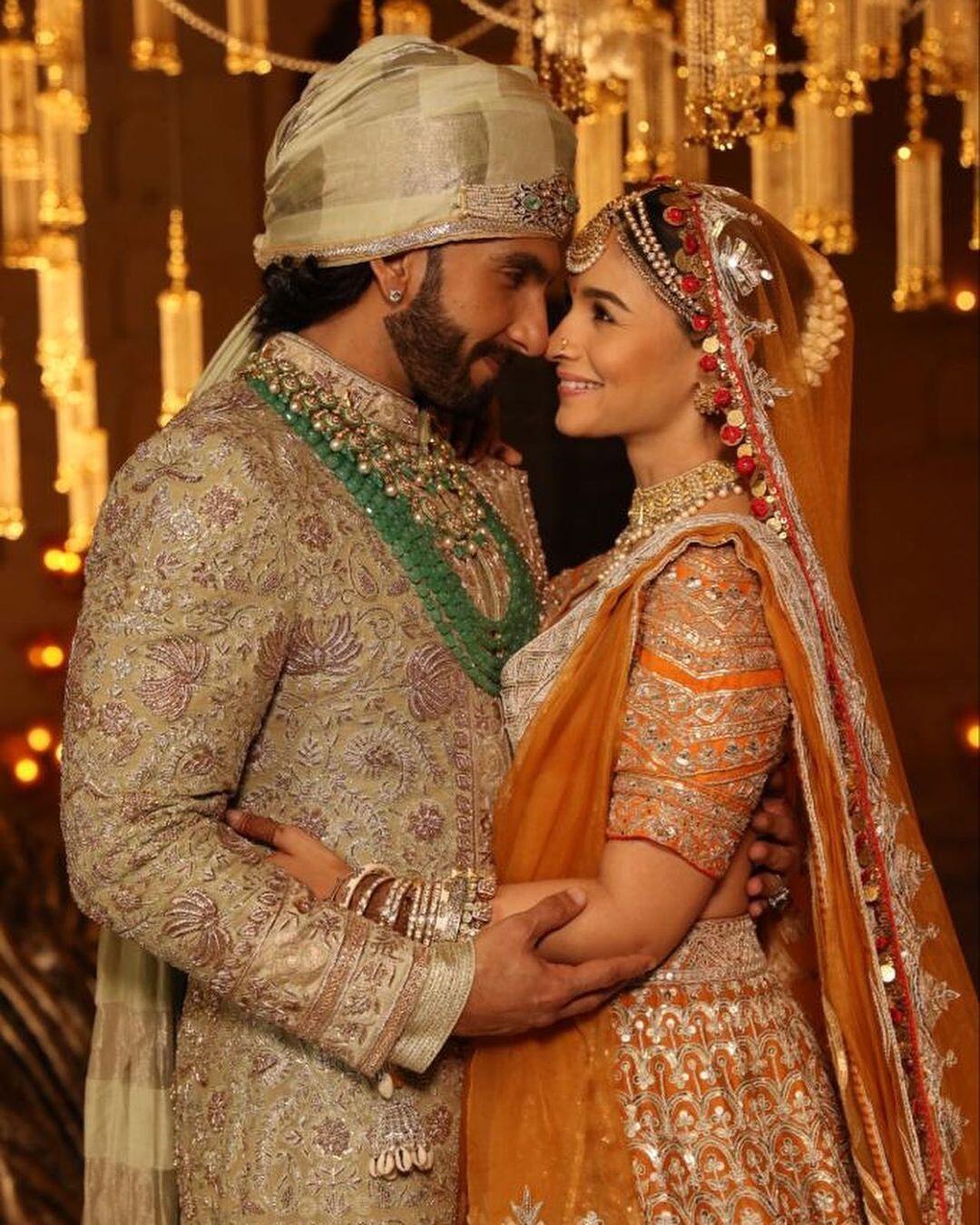
"Given Mehru's nomadic Turkish origins, we did a lot of research on the costumes and textiles of the belt, right from Afghanistan and the Khyber-Pakhtoon to Kazakhistan to the central Asia belt around Turkey. Her transition from a tribal princess to the Queen of the Delhi Sultanate gave us the opportunity to come up with a melange of attire that was both rustic as well as royal. Her journey across the sun-kissed stark landscapes of pebbles, sand and stone to the palaces of Delhi, hues of the the desert sunrise and the inky blues and blacks of the desert night rendered a very strong colour palette over which we juxtaposed various elements, motifs and techniques to establish both her odyssey as well as the vast empire she became the queen of."

They further added that- "Our own travels also came in handy as we have, over the years, collected samples of various old textiles such as Suzanis and Tapestries from various flea markets and auctions, which were great reference points for getting the styling..the look and feel just right. The Chinar Butti, stylized paisleys, Badaam Butti, Badaam Keri, Bathak Punj were used along with curvilinear motifs derived from sacred geometry- the moon and the star, Afghan, Mongol and Turkish elements to showcase her roots. Traditional tribal embroidery stitches such as the chain, satin, and buttonhole stitches were extensively used along with couching of tilla wires, in which the decorative thread is laid on the fabric as a raised line and stitched in place with a second thread. Given the cold climate of the period, we used a lot of old antique lots of velvets and silks, bought from specialist vendors to create the layered looks consisting of robes, jackets and floor-sweeping farshees made in the traditional Ottoman style which were further layered with antique shawls and vintage drapes."

Pinkvilla, caught up with the designer duo as they discussed the making of Padmaavat's costumes. Check it here:
Pinkvilla, also exclusively caught up with the makers of the jewellery of Padmaavat, check the video out here:
Well, that is quite insightful, isn't it? What do you guys think? Let us know in the comments below.