JOIN OUR WHATSAPP CHANNEL



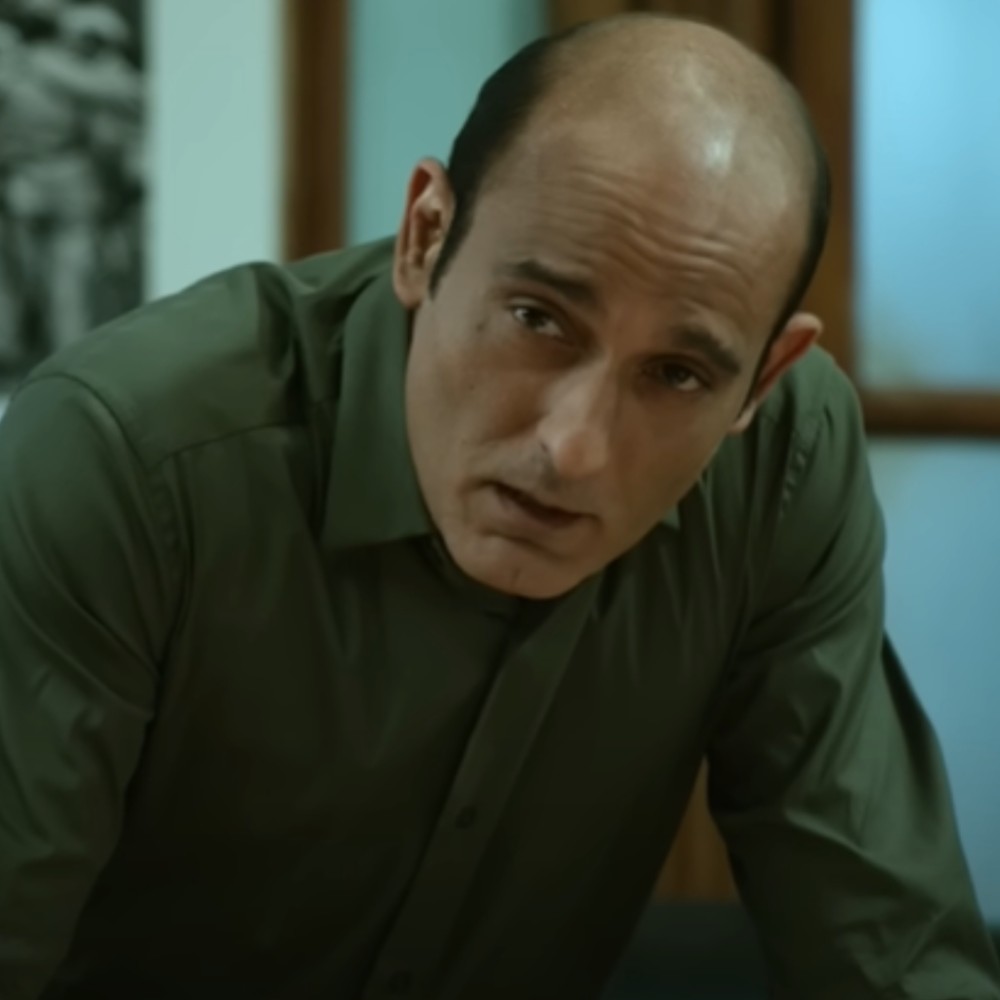
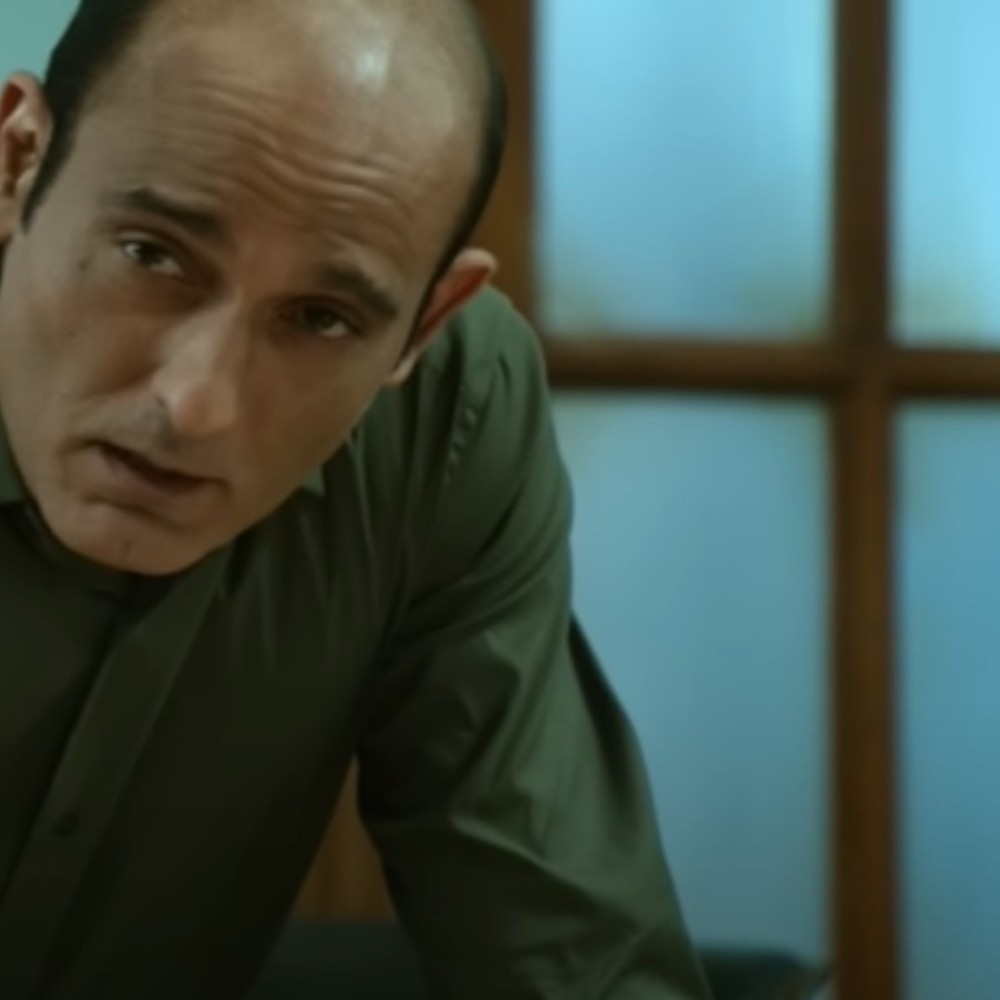






























EXCLUSIVE: Manmohan Desaiji was Nanda Didi's silent lover, claims her brother Jayprakash Winayak Karnataki
The Manmohan Desai-Nanda love story recounted by the actress’ brother-filmmaker Jayprakash Winayak Karnataki.




Not all love stories have picture-perfect endings. Not all lead up to the garden path. But that doesn’t make the trajectory less significant or the emotions less intense. Manmohan Desai’s crush on actress Nanda was the industry’s worst kept secret. Enthralled by her pristine beauty and quiet dignity, he was a fanboy, who kept vigil outside her house hoping for a glimpse.
This silent dream, which began in the ’60s, seemed to be nearing realisation in the early ’90s, when Nanda agreed to his proposal. Well in their 50s, both welcomed this renaissance until one day the eminent filmmaker reportedly fell to his death from the terrace. He had just celebrated his 57th birthday a week ago.
Nanda, who was on the threshold of marriage, padlocked herself in a colorless world. “That phase was the shortest and the sweetest phase of my life. I came to know what love is… I found the reason to live. Though Manji and I never worked together, we fell in love with each other. ‘You are my goddess. I am fortunate to have you in my life’, he’d tell me,” reportedly shared a shattered Nanda, who pledged her remaining life to his memories. Kabhi kisiko muqammil jahan nahi milta (Ahista Ahista) may have been filmed on Nanda but uncannily came close to her own disenchanted narrative.
On veteran Manmohan Desai’s 28th death anniversary, Nanda’s brother Jayprakash Winayak Karnataki looks back at his sister’s abiding bond with the celebrated director.
IN JAYPRAKASH WINAYAK KARNATAKI'S OWN WORDS...

When our father, renowned Marathi filmmaker Vinayak Damodar Karnataki, passed away in 1947, Nanda Didi was around eight. She became a child actor to support our family (mother Sushila, sisters Meena, Prafull, Bharati, twins Jaymala and Mangala, and brothers Subhash and Jayprakash). She made her debut as Baby Nanda with Mandir and was later seen in Jaggu, Angaarey, and Jagriti (1948 to 1956). Didi came into the limelight with V. Shantaram’s Hindi film Toofan Aur Deeya (1956). Next, AVMs Bhabhi (1957), where she played the child widow, upped her popularity. With Prasad’s Choti Bahen, Dev Anand’s Kala Bazaar and Hum Dono, B.R. Chopra’s Dhool Ka Phool and Kanoon (between 1959-1961), she was at the top.
Manji (late filmmaker Manmohan Desai was thus addressed), who had begun his career as a director (Chhalia in 1960 was his debut), appreciated Didi as an artist and became her huge fan. He’d park his car opposite the Opera House only to watch the posters of her films there. He kind of fell in love with her.
Didi came to know of Manji through his elder brother and producer Subhash Desai. Subhashji had approached Didi for his production Bluff Master (1963), to be directed by Manji. Didi was nervous about leading man Shammi Kapoorji given his bindaas reputation. So, she gently refused the film. Later, she was offered Jagdish Varma’s Budtameez (1966) opposite Shammiji to be directed by Manji, which she again declined. Then Manji was to direct Kamal Mehra’s Kismat (1968) with Biswajeet. Didi was approached once more. That also fell through as there was an issue around remuneration. Manji was deeply disappointed about having lost the chance to direct her thrice.

Those days, Didi lived in a bungalow near Otters Club in Bandra, today named Master Vinayak Road after our late father. Manji would often drive past the bungalow hoping to catch a glimpse of Didi. He’d even park his car outside waiting for her ‘darshan’. It never happened as Didi would be busy shooting. There was a Holy Cross opposite Didi’s bungalow in Bandra. Manji made it a point to shoot there for his films, again hoping to get a sight of her. That also didn’t happen.
One day actress Shammi (popularly known as Shammi Aunty) told Didi about Manji having a soft corner for her. Also, Shashi Kapoorji spoke to Didi about Manji’s fascination for her and invited him on their set. He introduced Manji to Didi saying, “He’s your big fan. He watches all your films. Why don’t you work with him?” Didi smiled and remarked that it was indeed strange that they’d never got down to working together. Then Manji and Didi greeted each other politely if they happened to be at the same place.
Didi had an aura. She maintained a distance from all her heroes. She had built a wall around her as she didn’t want to invite rumours. On his part, Manji was shy. Those days they maintained certain decency. Manji remained a silent lover. Eventually, Manji had an arranged marriage with Jeevanprabhaji in 1969. In fact, he agreed to meet Jeevanji the first time because he noticed a resemblance to Didi in her photograph. Sadly, Jeevanji passed away in 1979.
A decade later, destiny played itself out when Yash Joharji and Manji’s son, filmmaker Ketan Desai, took Didi’s friend Waheeda Rehmanji’s support for a special purpose. Aware of his father’s feelings and also his inhibitions, Ketan took the initiative to unite Manji and Didi. So, Waheedaji organised a small dinner. After dinner, they left Didi and Manji alone. Manji then revealed his feelings to Didi saying, “I want to marry you.” Didi said she’d first have to consult her family.
On her return that night, I was the first one with whom she discussed the proposal. I said Manji was a respected filmmaker, a wonderful person and a charming personality and that she should go ahead. “I want to see you settled,” I said. Gradually, the family was involved. After their approval, Didi called up Waheedaji and said she was for it. The second meeting was held at our place. Didi wanted a traditional wedding. They got engaged on June 18, 1992 at Manji’s bungalow in Walkeshwar.
Didi and Manji were indeed meant for each other. Their likes and dislikes were the same. In him, Didi had found a ‘man pasand’ partner. They were keen to get married soon. But Ketan had a release (Anmol 1993) coming up. Manji would say, “Meri sirf ek ambition hai. I want Ketan to establish himself. After his release, we will get married.” Didi wholeheartedly supported him. Unfortunately, the film didn’t do well. Manji reassured Ketan saying his next film would prove his credentials. Also, around the same period, our mother, Sushilaji, was diagnosed with cancer. Didi was devoted to her care. She passed away in 1993.
Didi and Manji had planned many things. Manji wanted to buy a huge apartment close to Ketan’s bungalow in Bandra, so that they could visit each other. Manji was extremely attached to Ketan. Ketan mein unki jaan thi. Manji called Didi that fateful morning on 1 March 1994 as well. They were to meet at 4 pm. Suddenly, around 11 am, Didi got a call informing her about the tragic mishap. Initially, she didn’t believe it. We confirmed it again. The shock was tremendous.
There were many rumours around Manji’s death. But I strongly believe it wasn’t suicide. That was not Manji’s temperament. Yes, he had a back problem. Yes, he was worried about Ketan’s career. But there are no reasons to give up his life. Manji had a routine. He’d often lean on the balcony of his office in Gaiwadi, Charni Road and chat with the neighbourhood boys. He spoke fluent Marathi and would converse with them in the language. That day too, he must have leaned and lost his balance.
Didi was shattered. After that day, she never wore coloured clothes. She’d say, “Maine unko pati maana hai aur woh hamesha mere pati rahenge.” The white libaas was her answer to all those who, in the coming years, suggested that she get married again. She stopped meeting people because she didn’t want any discussion on the same topic. She largely remained at home. She almost imprisoned herself. She was passionate about travel but after Manji, she gave up on that. She stopped visiting theatres to watch films, something she once loved. She arranged for a home theatre instead. She loved diamonds but later lost interest in them. “Ab kya rakkha hai!” she’d remark. She lived like a sanyasin.
Waheedaji remained closest to her. She stepped out for lunch only with Waheedaji and their small group of friends including Helenji and Asha Parekhji. With time our sisters passed away. My elder brother Subhash and I are the only surviving ones. We’d visit Didi once a week. Sometimes she’d visit us. But we called each other every day.
Didi had a pious bent of mind since childhood. She was spiritual and had tremendous faith in our Kul Devi, Jesus Christ, Mother Mary, dargahs… She’d engage in an hour-long pooja daily. She’d observe Manji’s shraddh every year with great devotion and prepare his favourite dishes including puran poli, bhakri… Manji was a Gujarati but loved Maharashtrian food and festivals.
Didi passed away on the morning of 25 March 2014 after a massive heart attack two decades after Manji. Till date, I cannot get over the cruelty of fate. Kaash unka ghar bas jaata. Main Didi ko shaadi shuda dekhna chahta. But it was not to be. I am sure wherever they are, Manji and Didi must have met each other. Unka pyaar amar tha!