JOIN OUR WHATSAPP CHANNEL


























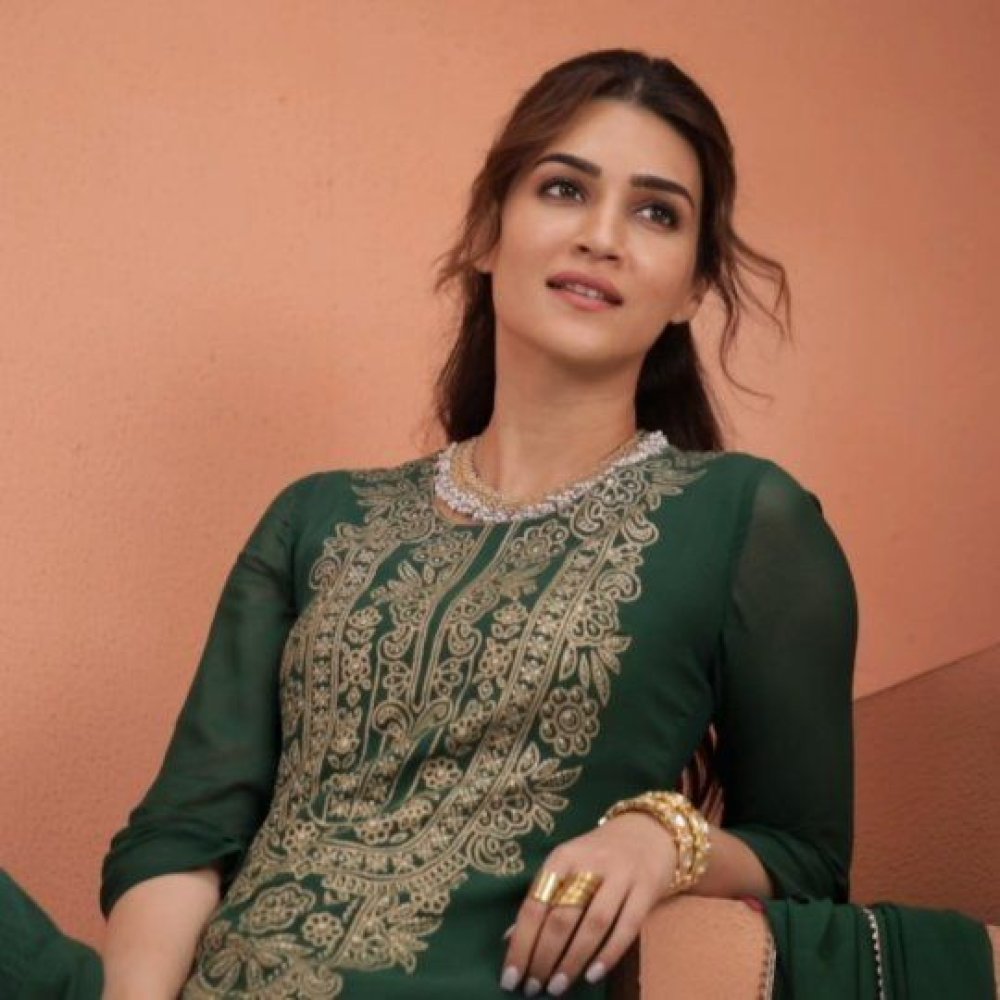












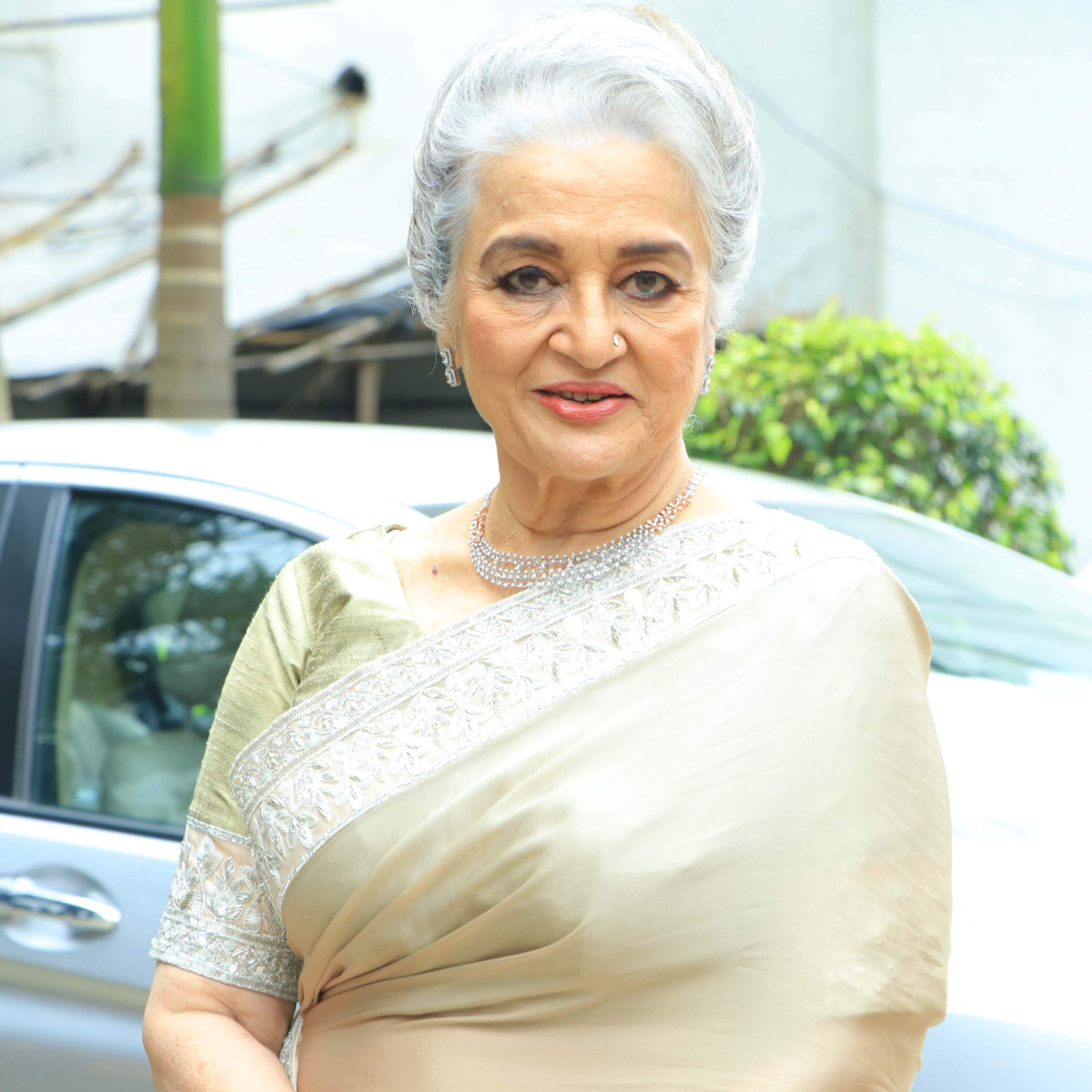
Exclusive: I do miss a soulmate sometimes, opens up Asha Parekh
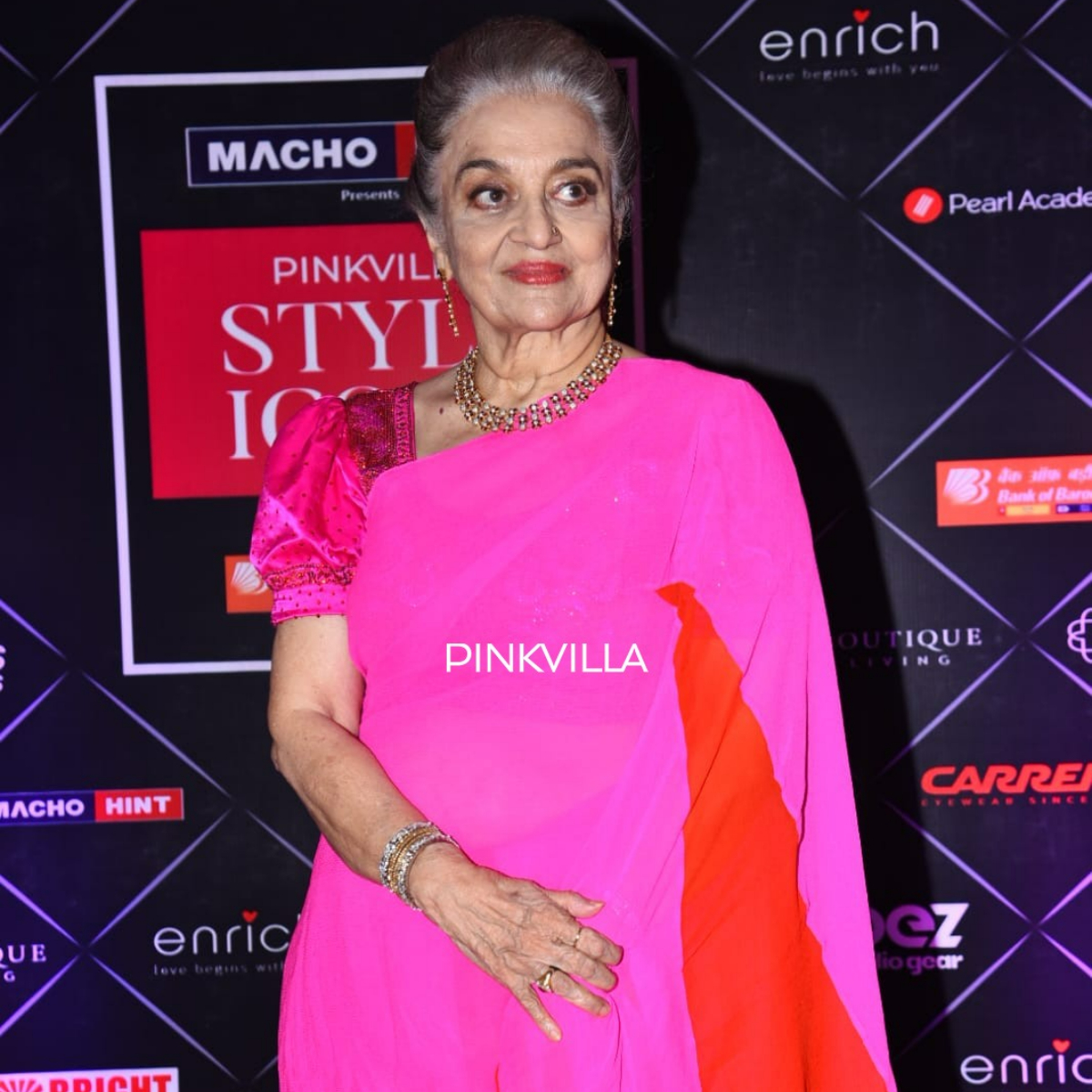
Veteran actress Asha Parekh reveals her emotional side in a heart-warming interview.




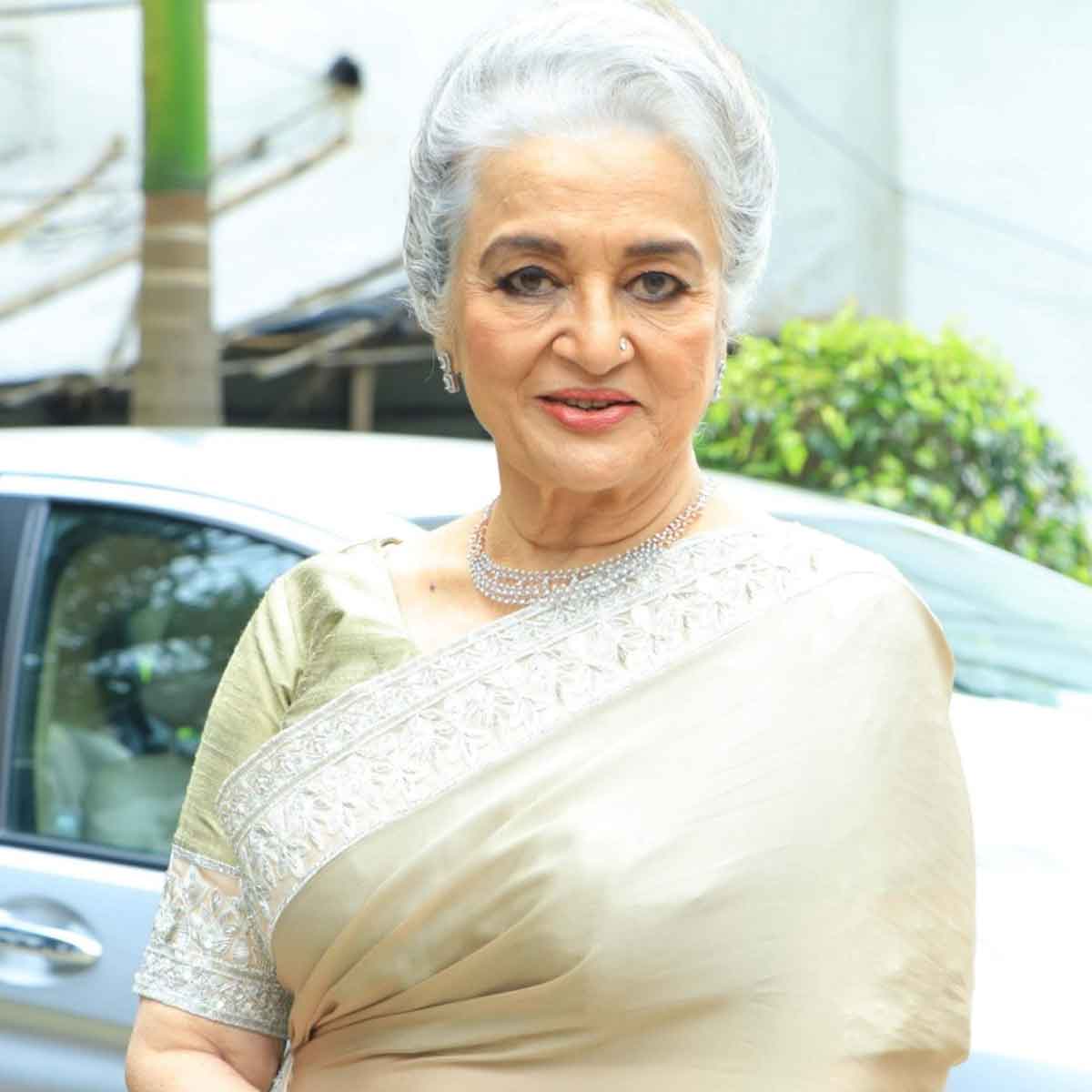
Her numbers, Aaja aaja, O mere sona re (Teesri Kasam), Kaanta laga (Samadhi)… still scorch the dance floor. Her melodies Jaiye aap kahan jaayenege (Mere Sanam), Aaja piya tohe pyaar doon (Baharon Ke Sapne), Achcha to hum chalte hain (Aan Milo Sajna) … are retro gold. Asha Parekh lent both glamour and luck to a project in an industry, where the hero usually called the shots. The highest paid female actor in the ’60s, she delivered hits with Joy Mukherjee (Love in Toyko) and Biswajeet (Mere Sanam), Shashi Kapoor (Pyar Ka Mausam) and Rajesh Khanna (Kati Patang) apart from the legendary Shammi Kapoor to earn the title of Jubilee Parekh. With Do Badan and Kati Patang, she even charmed the critics.
Not to be defined just by the pancake, she directed and produced TV shows (Kora Kagaz, Kangan) and distributed films with panache. President of CINTAA, Chairperson of the Censor Board and the founder of The Asha Parekh Hospital in Santacruz… the milestones have been many.
In her personal life too, her reported relationship with mentor Nasir Hussain was all about dignity just as her downturn with depression was dealt with honesty. Leaving footprints behind, Asha is keen to etch new ones, enjoying the now, welcoming the morrow. A Sai Baba devotee, she simply states, “It’s not me but He who’s the doer in my life.”
You were called the 'Jubilee Girl', your presence lending luck to a project...
In those days, it was the hero who would sell and hence he’d be signed first. However, by God’s grace with my name the film would get ready buyers. In all humility, this surely was an achievement. One hero was going through a low phase. In a bid to help him, I told the producer to take him or I wouldn’t work. But the filmmaker had to gently request the hero not to do the film as they’d already sold the film on my name.
Apart from talent, what else worked for you?
I used to hear the script first and choose accordingly. I guess a kind of sixth sense helped me in making the right selection. Of course, I’d also check who the producer and the director were. Raakhee was supposed to play the role I played in Main Tulsi Tere Aangan Ki (1978). The screen time for that character was brief as the main character was played by Nutan. When Raj Khosla approached me for the role, I said, ‘Promise me you will stick to the narration you have given me.’ He did that and it turned out to be such a fine film.
You were a fashion icon. How tough was it to maintain yourself?
I was on the fatter side. I felt conscious about it. Though I was a foodie, I followed a diet. For instance, I had to wear a cowboy outfit and tuck my shirt in for the song Aap se miliye in Pyar Ka Mausam (1969). I consulted Dr Jassawalla and with his recommended diet plan, I lost about 10-12 kilos. So, it was a continuous effort on my part.
While your peers were demure, you were all about energy...
In real life too, I was the naughty type. I’d play pranks on the set. With Shammi Kapoor I shared great camaraderie, which reflected on screen. I called him ‘Chacha’ because I called Geeta Baliji ‘Chachi’. Actually, I shared a good chemistry with all my co-actors.
You steered clear of link-ups though...
I guess heroes were intimidated by me. We were all friends. But nobody could take advantage. I wouldn’t take any nonsense.
Whose contribution do you value the most in your journey?
I give credit to my mother (the late Sudha Parekh). She was the power behind me. Whatever I achieved is because of her. At home I was never treated like a star. If I happened to do something wrong, she’d put me down. She was strict. I had to behave like a normal person at home. It kept me totally rooted. I also give credit to Sashadhar Mukherjee and Nasir Hussain saab, who had confidence in me and signed me for Dil Deke Dekho (1959) opposite Shammi Kapoor after I was rejected by Vijay Bhatt for Goonj Uthi Shehnai (1959). This after I’d worked as a child artiste in Vijay Bhatt’s Shri Chaitanya Mahaprabhu (1954). I went on to do six films with Nasir saab – Jab Pyar Kisi Se Hota Hai, Phir Wohi Dil Laya Hoon, Teesri Manzil, Baharon Ke Sapne, Pyar Ka Mausam and Caravan (between 1961-1971).
Reportedly, you were in love with Nasir Hussain, but you chose not to be a 'home-breaker'...
I don’t wish to discuss that aspect of my life. I’ve already written about it in my autobiography (Asha Parekh: The Hit Girl - An Autobiography with Khalid Mohamed).
You were said to have been put off by a suitor, who was hung up on vanity...
Yes, when you see a man taking hours to get ready and checking himself in the mirror 20 times and combing his hair some 30 times… it’s a put-off. Even we heroines were not so obsessed with the mirror.
Do you regret not getting married?
Hota toh acchcha hota, nahi hai toh bhi theek hai. Marriage is good if it works. Motherhood too is a responsibility. You have to be around your child. Sadly, today there’s a lack of tolerance between a couple. Marriage implies a lot of adjustments.
How did you deal with the depression you once suffered from?
When you are the only child and you lose your parents (mother Sudha Parekh passed away in 1990 and father Bachubhai Parekh in 2003), you’re bound to feel vulnerable. Suddenly you don’t have anyone around you. You’re all by yourself. You can get into a depression. I had to take medical advice. I consulted Dr Dandekar, who helped me get out of it.
Do you miss a soulmate?
I do miss a soulmate sometimes. Every human being would like to have a soulmate in life. Magar nahi hai toh nahi hai!
Heroines are rarely known to be friends. But Waheeda Rehman, Helen and you share a deep friendship...
We’re all down to earth. We gel well. We have a lot to talk and laugh about and have a great time when together. We enjoy ourselves. We formed a wonderful group with Nanda, Shammiji and Sadhana… who sadly passed away.
Sadhana, particularly, faced many challenges...
When we were young, she’d attend my birthday parties. But being busy we didn’t have much time for socializing. Later she became part of our circle. She was a fine cook. Once could learn a lot from her. I admired her. She was a dynamic and bold woman. All alone she fought the legal battle with a builder (the late Yusuf Lakdawala), who harassed her. She was given a ridiculous offer. It was cruel to ask her to shift to a one-bedroom flat on rent at Mira Road from a sprawling bungalow. She had a great fighting spirit, something I don’t have.
Her last days were said to be extremely sad…
Whenever I called her to inquire about her health she’d say, “I am alright.” Then she fractured her leg, for which she was operated. She was bedridden but even in that condition she was gutsy. Her willpower to fight was strong. I had paid her a visit then and remember telling her that she was a remarkable person. She didn’t like to discuss her illness. She had adopted her maid’s daughter. So, she did have company. But when you’re ill, you miss your family. Finally, she was taken to hospital with high fever. Sadly, she never returned. I’d like to remember her as a happy-go-lucky woman, who loved life and lived up to the end.
Any regrets in your life?
One should not hold on to regrets. Unhein khatam karo. Aage chalo. When you rue about things, you make yourself miserable. And no one shares your misery.