JOIN OUR WHATSAPP CHANNEL





















































PadMan: Why Men Can’t Look Away Anymore
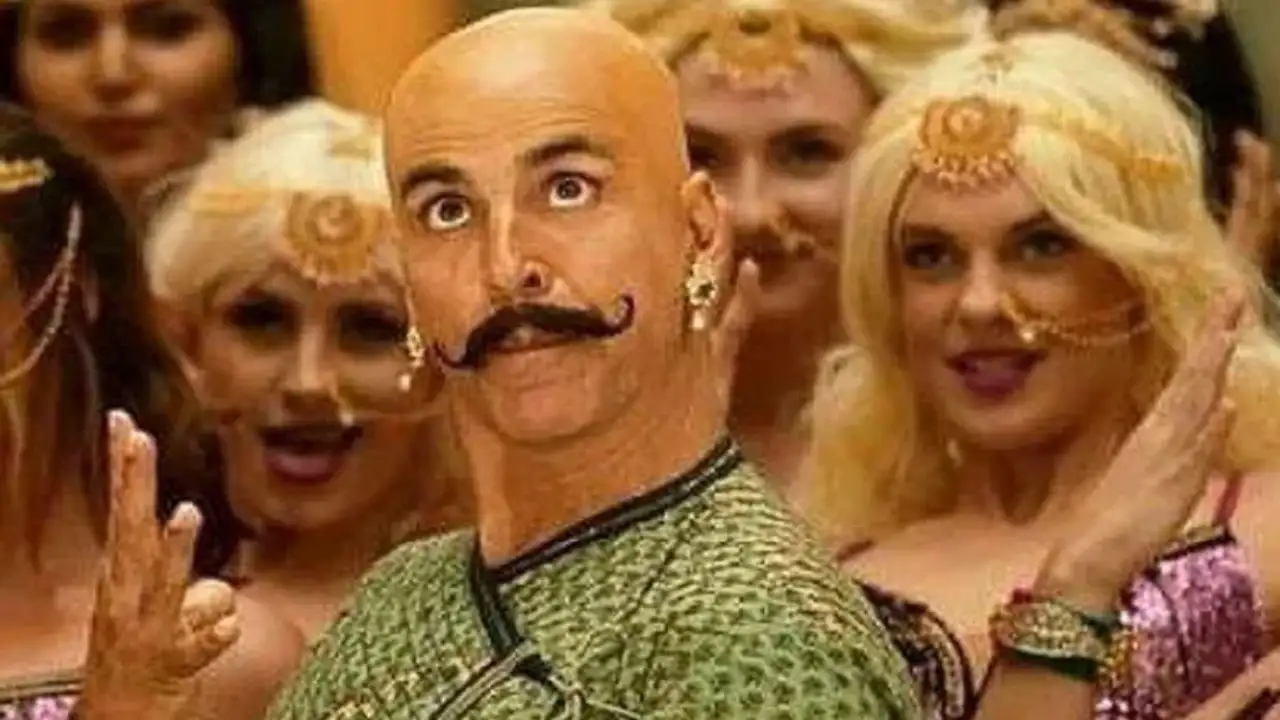
A Pinkvilla reader penned her thoughts on why films like PadMan are socially relevant and important. Akshay Kumar's PadMan is based on the life of Arunachalam Muruganathan, inventor of low-cost sanitary napkins.





An avid Pinkvilla reader- Mansi Sharma (A Part-time Writer, Full-time Feminist (the real kind), & Eternal Indian Cinema Advocate.") penned her thoughts on why films like PadMan are important today. Here’s her take:-
Menstruation - the term you have to whisper as though you’re hiding a stash of demonetized notes from the government. Despite making major strides across society over the past five decades, women have yet to stop hiding their pads when walking across the office to go address a natural monthly occurrence. If you think about it, in some ways it’s like hiding the fact that you’re capable of doing one of the many things men aren’t - creating life itself. Societal taboos have been haunting important humanitarian issues in India since the dawn of time. But the rise of government supported, activism based films have made it possible for major celebrities like Akshay Kumar to take it upon themselves and squash social hesitation with his films - from Jolly LLB tackling the judicial system, to Toilet addressing open defecation, to now his first major release of the year hitting the screens this weekend - PadMan. We’ve learnt from Mr. Kumar that the only way to open up a socially forbidden territory is to magnify it Hindi film style. Gone are the days of pamphlets and generic campaigns, India has now given rise to a new form of Public Service Announcements - they begin with the vision of incredible story tellers, and end with the on-screen conviction of Bollywood Biggies.
Not only has he made socially thought provoking films (which don’t adopt a formulaic-masala-film approach) 100 CR+ hits in the past, he has also forced us as a generation to face a harsh truth - that social taboos behind women centric issues aren’t going anywhere unless along with women, men too share the responsibility of eradicating them by speaking up.
Taboos behind any humanitarian issue are unacceptable and downright regressive, but they become especially problematic when they cost people their health and sense of self worth. BBC spoke to 100 women in Uttarakhand in 2014, and found out that most of them felt ‘very dirty’, ‘untouchable’, and like a pariah in their own society with more than half of them carrying sanitary pads in brown bags, fearing visibility. Asking their male counterparts to go out and purchase sanitary napkins for them as they writhed in excruciating cramps was a far-fetched dream, because no one even brought it up back home. It wasn’t until after organizations such as Menstrupedia (an educational platform that busts menstrual myths) and Goonjh (an award winning NGO dedicated to menstrual hygiene awareness) came into existence that this issue received the coverage and scrutiny it required. PadMan’s superpowers and these organizations have one common factor - the participation of men; the other half of our country tirelessly fighting for them. Before pseudo feminists crash the internet with their male-bashing-Twitter-trolling-rampage, this is NOT because purely women-led initiatives are inferior in any way, but because for a society to address any epidemic, both halves of the country have to come together and inspire change. By throwing around terms such as ‘feminism’ and ‘women’s issues’ like confetti, without authentically defining what they mean and who should care about them, we undermine their gravity - as the discussion around the other period film Padmaavat has proven. All puns intended.
Whether it’s feminism, or toilets, or periods - none of these issues are actually exclusive for women to care about. They’re the adversities that one gender has had to unfairly face due to centuries of ignorance, and now have become the responsibility of both to overcome as a collective. In this light, Akshay Kumar, Aamir Khan and Karan Johar holding a pad in their hand isn’t just a symbol of support - it’s a powerful statement of the obvious; men need to join the conversation.
Through his superpowers of mega-stardom, in endearingly broken English, PadMan wonders , “how have the men of our country turned a blind eye for THIS long? How have we watched our mothers, sisters and wives suffer through not just physical pain but also social suffocation? How have we ostracized an entire half of the population for their ability to give us the very sons and daughters we dote on?”
With no fear of sounding biased, I’m over the moon to watch PadMan and make him my favorite superhero. There’s no shame in it. Period.