JOIN OUR WHATSAPP CHANNEL



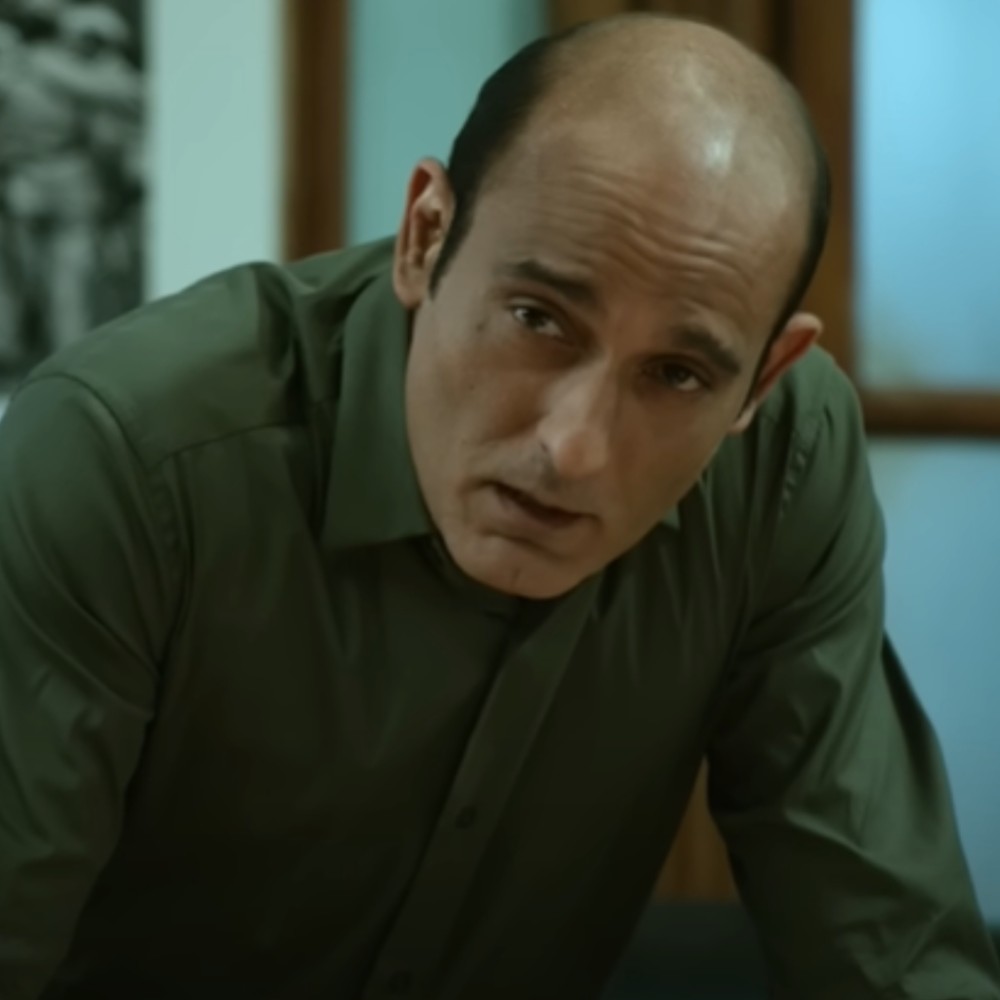







































Deepika Padukone's Chhapaak, Kangana Ranaut's Panga or Taapsee Pannu's Thappad: What makes these films special
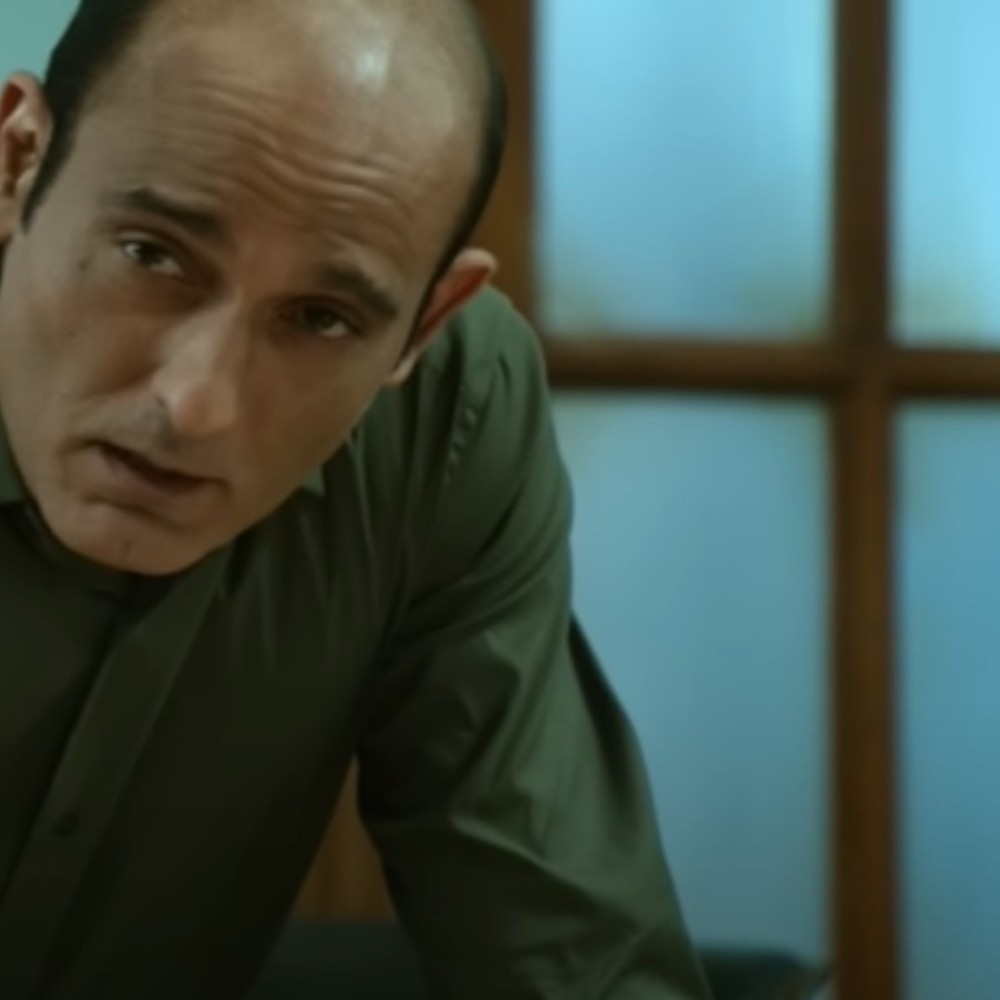
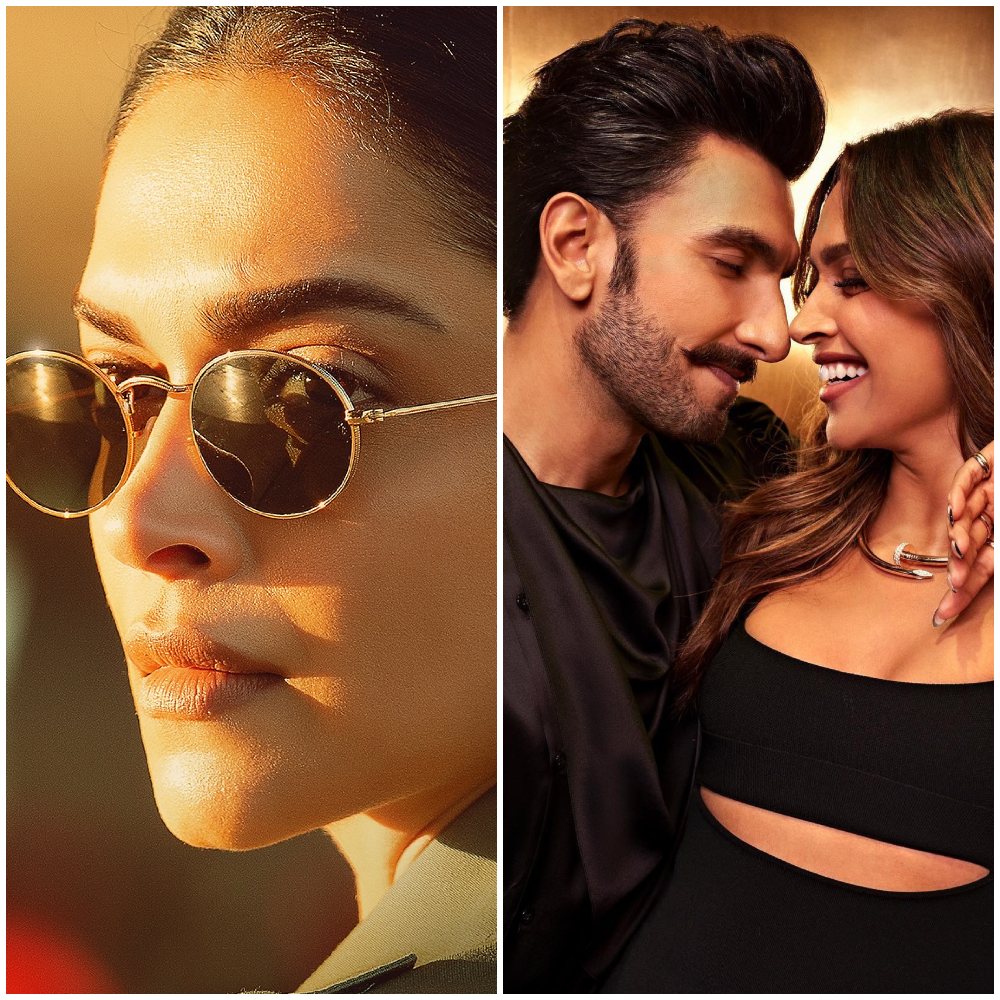
2020 saw three of the best women-driven films including, Deepika Padukone's Chhapaak, Kangana Ranaut's Panga and Taapsee Pannu's Thappad. We thought we would get talking about why each one of them is special and different in its own way.





Bollywood has always managed to make the heroes look larger than life while females, simply fit in somewhere, in their lives. Or at least most of the time, that is something that tends to happen on screen. This is 2020, and women have a different league of their own, but something that will always remain dominant is how women and men are seen differently in the eyes of B-town. However, there are some females and their directors who believe in changing this notion, and while they don't have to go finding for scripts that talk about women empowerment, what they do is simply go looking out for what is already there, something that is the reality of many females out there.
Right now, at a time when things seem rather dull amid the ongoing Coronavirus crisis, something that has set the beginning apart for Indian cinema are three great women lead films with three diverse stories to narrate. It started with Deepika Padukone's Chhapaak, directed by Meghna Gulzar. The movie hit the screens on January 10 and it did not fare very well at the box office. The movie narrates the real-life story of an acid attack survivor Laxmi Agarwal and what her struggle post her petition on the ban of acid looks like.
Next up for release, was Kangana Ranaut's Panga, directed by Ashwiny Iyer Tiwari. The movie hit the screens on January 24 this year and it narrated the story of a Kabaddi player who had to give up on everything at the peak of her career for her husband, and her soon to be born baby. However, later on in life, a comeback on the ground comes across as her life-changing moment that she has been looking for and she grabs the opportunity to make it big, even though it did not seem to quite fit the societal norms.
And finally, Thappad. The Taapsee Pannu starter released on February 28 and is directed by Anubhav Sinha. Both of them are a gem that Bollywood has found and as self-explanatory as it is, the movie narrates how it is never just a slap, and how it feels so much more than 'just' that. The movie has managed to start a different kind of conversation around domestic violence, and if anything, it provides a perspective to what many feel about it.
All three movies narrate stories of women, and for once, they don't seem to need male characters at the forefront to enable them to continue their story forward. The movies are women-driven yes, and while a story like Panga could also be the story of a male, but the kind of barriers that he would have would be rather different, as is natural, of course. Surprisingly, all three movies haven't made huge numbers as one might have expected given the topics that they deal with, and if you ask me, that is exactly why these films are special.
A movie like Chhapaak, started a new conversation, it made us more aware, and if nothing, it also taught many, to be more tolerant and not act up because while we think that there is something that is making us feel uncomfortable, it so happens that we are the cause of it, not just for ourselves, but also for them. Having an A-lister like Deepika support the cause does have to mean something, something more than just numbers and success.
And Thappad is a film that one can never emphasize enough on how important it is. Just because there is someone who doesn't face it or know about it, doesn't mean it does not happen. In a country like India, this conversation is as important in urban areas as in the rural ones. This movie is not about just another form of violence against women, it is about putting so many things into perspective, and that can come only when one digs deeper, understands the nitty-gritty of it.
And well, that is about these three films. For someone who is working on a research paper that talks about women in Bollywood, I can say some more, but that would be like micro-analyzing these films and that needs a different article for each altogether. However, one has to understand why such films are important, and when they come from A-listers, one has to understand the cause, the idea, and think about the bigger picture, one that cannot be seen on the 70 mm screens.