JOIN OUR WHATSAPP CHANNEL

















































Dark Side of the Moon: Vikram Bhatt on the ongoing Padmavati crisis and the history of a land
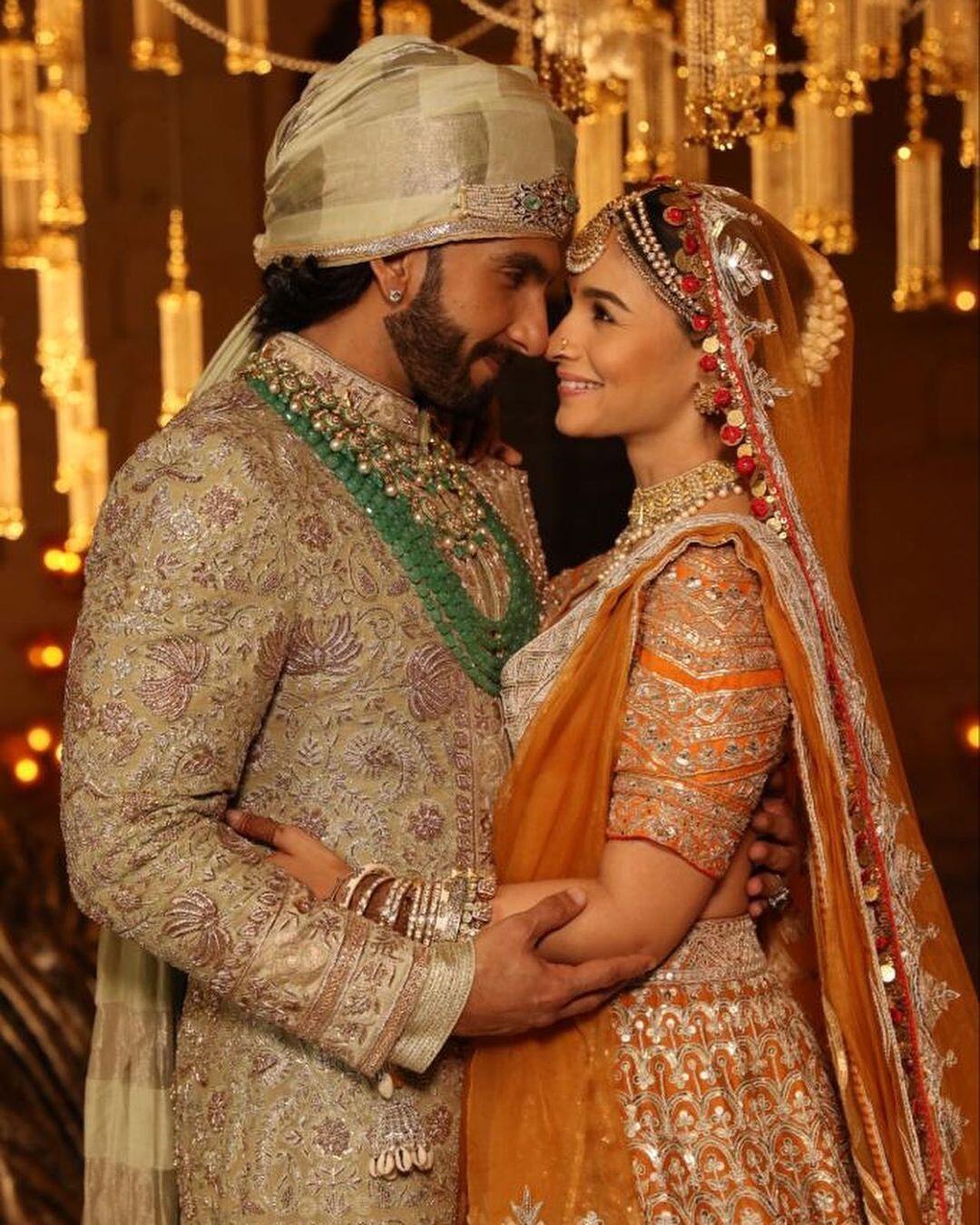
In this week's column, Vikram Bhatt talks about the controversy around Sanjay Leela Bhansali's Padmavati.





A lot has been going on, in social media and an equal amount has been reported by the press on the recent attacks on the sets of the film Padmavati. The equipment has been vandalized; the director and his crew have been manhandled. As if that was not enough, when the film moved its base from Rajasthan to Kohlapur in Maharashtra, some masked miscreants found their way to the location of the shoot and gutted the set in the wee hours of a morning, injuring some more crew members in the bargain.
I spoke to some leaders of the industry and asked them if Sanjay Leela Bhansali, the director of the concerned film was indeed tampering with history and hurting sentiments of the people concerned for them to go to such violent extents? The answer I received was that he was doing no such thing. He was making the legend as it was recognized in the popular culture.
I was also told that the police in Maharashtra had done a good job and were very responsive to the pains of the filmmakers. I was very pleased to hear that.
Later that day I decided to do some internet research and figure out if there were agitations during the release of the film Gandhi made by Richard Attenborough. After all Gandhi is the Father of the Nation and how can an Englishman make a film on him? Right? Did we vandalize any set or thrash Mr. Attenborough. I did not find any links to substantiate an event of such kind.
Had there been a need to agitate who should have led it? The Gujarati community considering Mahatma was a Gujarati? The prospect made me laugh out loud. It sounded preposterous to do that. And this was not because I am a Gujarati.
I logged off and leaned back to sip on a hot cup of cappuccino when it struck me that there is something even more preposterous. It was preposterous to think that the history and culture of this country should be divided into sects, castes, states or religions, for that matter. Did Mahatma Gandhi belong to the Gujarati’s and Pandit Nehru to the Kashmiris and Subhash Chandra Bose to the Bengalis? Does it not seem ridiculous to even read it?
Does the history of my country not belong to everyone equally? I would think it does.
I have studied the book from Indus Valley to Indira Gandhi and never ever while studying that history did I feel that Akbar was not mine or that Asoka belonged to someone else. They were all mine. I was proud of the greats and I was sad for the pain that my country had to go through time and again at the hands of the invaders.
I remember asking my history Teacher once, in a moment of frustration, why was it important to study history. What was the point of learning about people who were dead and gone? To this day the answer rings clear in my memory. My Teacher replied, “Vikram, we learn history for two reasons. One it makes us proud of who we are as people. History is the most adhesive force of a country, like friends who have studied together and seen the highs and lows of life together. These friends are inseparable because they have a common history. History is like the parents of a generation. And the second reason why history is important is to make us aware of the mistakes of the past so that we may not make them again.”
It concerns me that this meaning of history has been lost. When we divide ourselves over history the greatest injustice we do is to history itself. History is the bedrock of civilization; it cannot be assigned to groups of people. It must and it has to belong to one and all. An Indian who is refused the right to his history is refused the right to his heritage and to who he is.
Needless to say that the second reason concerns me even more. Have we not learned anything from the mistakes of our past?
All in all, whose History is it in anyway? Answers anyone?