JOIN OUR WHATSAPP CHANNEL



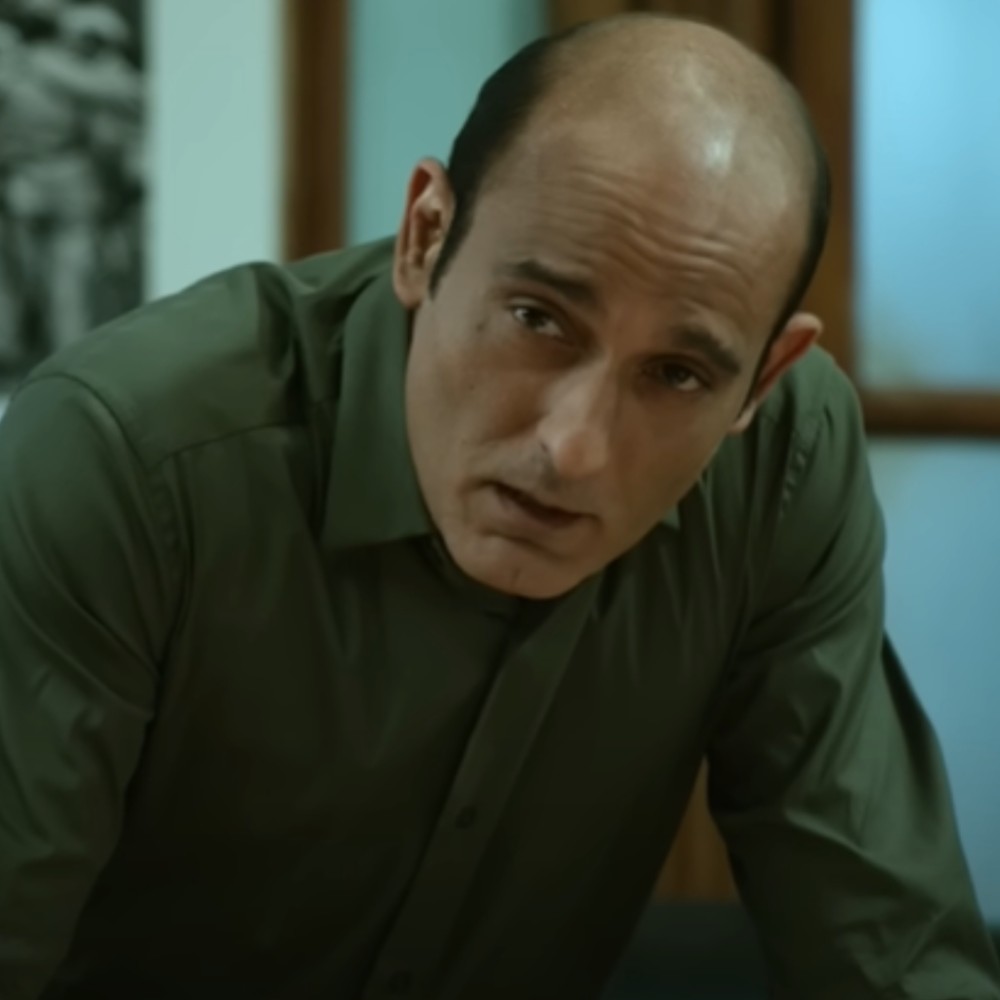










































The Pink Room: Conversation with a Caremonger who asserts ‘needs are not always materialistic’
As the coronavirus outbreak has taken over the nation, we got in touch with a caremonger who shared her experience of dealing with this unprecedented situation.





"It's not always about food or medicine. Sometimes it's about getting heard. To know that you aren't alone in this unprecedented situation [COVID-19 Lockdown]. Sometimes it is to find someone. Even if it is a total stranger, someone who can rubbish your paranoia that the world doesn't care about you anymore," says Srobona Das, who has been part of a group called Caremongers which is entirely supported by several good Samaritans like her.
Caremongers is the brain-child of Mahita Nagaraj and a core group of people who believe in volunteering to make the world a better place; one step at a time. "I have been part of it right from the beginning," Srobona recounts how it all began. "I have known Mahita for three years now. We connected on Facebook when she posted about a programme, she was planning which aimed at feeding 100,000 people in Bangalore during the Navratri festival. I joined that movement. By the end of it, we served 132,000 meals in the 10 days," she says, brimming with happiness.
She adds, "But the launch of Caremongers was still awaiting its moment. Mahita got a call from someone who lives abroad asking whether she can help out the person's elderly mother during the COVID-19 lockdown. Mahita wrote her experience on Facebook. She was worried that if this gets worse, there is a section of our population which will require help. The post got a lot of attention and support. I told her I will stand by her."

That's when they all set up Caremongers. Mahita quickly set up a Facebook group which soon crossed 30k page likes and following. "We wanted to help people who are stuck — mainly the elderly and the sick who are unable to go out and get things done," Srobona highlights. Soon they discovered there are still areas where neither online platform nor the local store is delivering groceries or medicines. On the other hand, these are elderlies or people living with toddlers, and therefore worried that if they go out, they might bring the contagion home.
The team quickly created two sets of forms. One for volunteers and the other to submit requests. "The volunteer form is something where you say you want to help out and which area you are comfortable serving. The request form is to submit a requirement for help for you or on behalf of someone. Now, 50% Request Forms are filled by hapless abroad-living children of elderlies or those who live in another city. Their parents are facing tough times during the lockdown, and the children are scared and helpless."

Srobona informs us that each request is verified by the team. Moreover, the core team also has to be on its toes to ensure fake news doesn't sneak into their WhatsApp groups. She reveals that there were a few who attempted to misuse the logo or forge identity as representatives of Caremongers. Isn't it worrying? It calls for a scathing moment for introspection.
Srobona admits challenges are galore. "The first few days, we faced a lot of challenges. Slowly people understood we are only volunteers who are keen to help. Then comes the logistic or functional issues. It's difficult when you are a pan India group, and different states are following different rules," she says.

The team receives a range of requests. "Typical request is usually medicines, groceries where people are stuck at home. Heart-breaking cases are the ones where there are elders at home with no one to take care. There are single elders, couples and those with severe illness," she describes.
She quickly adds, "Sometimes it's not even about materialistic things. I was once supporting a case of two retired doctors. I called, and she had everything already set up. She just wanted to hear a friendly voice. We have had several similar cases."

(Mahita Nagraj)
Before we conclude the call, we insist on hearing about a case that brought moist eyes to the Caremongers. Srobona recounts, "There was a beautiful case of an elderly lady who was a retired singer. She told our volunteer: I have not sung in a long time, but I am feeling so happy after your call that I want to sing something for you."
"And then, she sang a couple of lines as the volunteer waited on the call with a mixed sense of pride, affection, love and of course happiness," she concludes the interview.
Editor’s Note: The Pink Room scrutinises how a day in the lives of different professionals have undergone a change during COVID-19 pandemic