JOIN OUR WHATSAPP CHANNEL









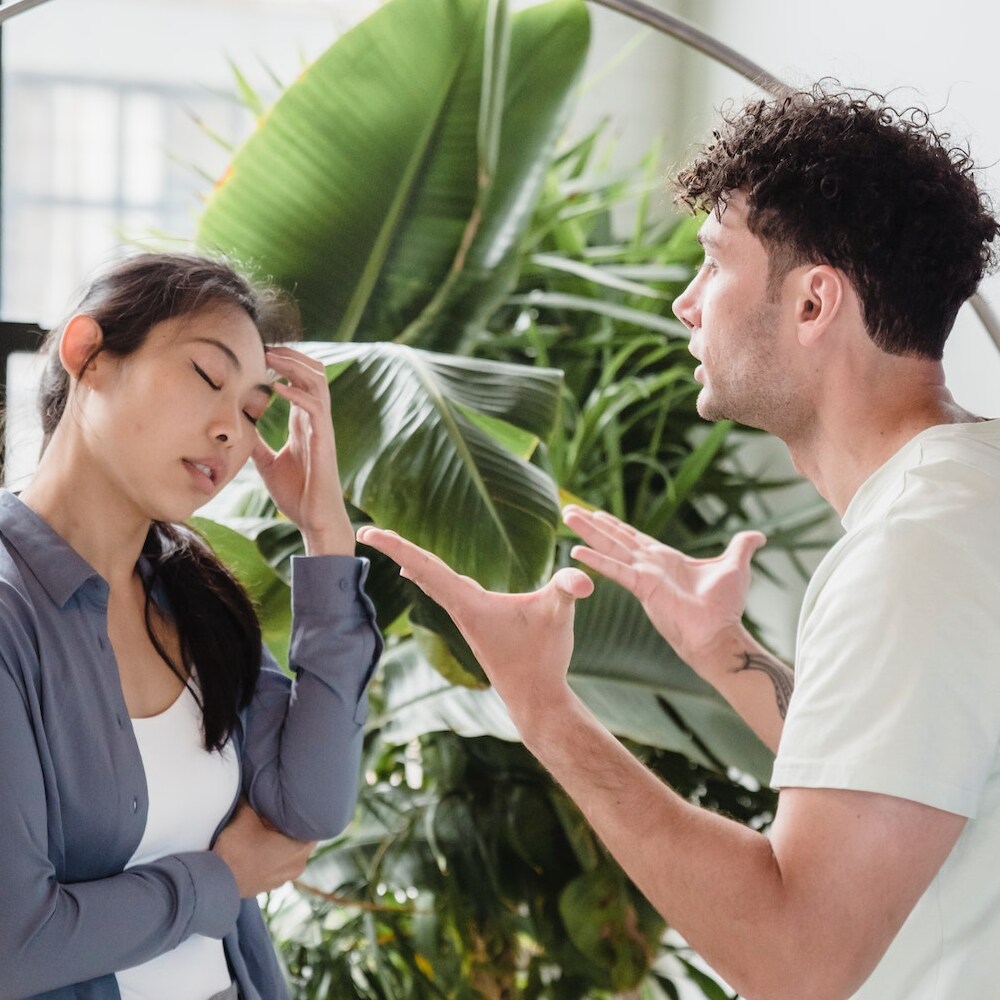




































What is STRESS? Signs, symptoms, tips and more
Everything you need to know about stress.





There is a lot of buzz over STRESS for the past few years. But do you really know what stress is? If you google it, elaborate definitions will definitely freak you out. So, to put it in simple words - stress is your body’s way to respond to when you are bombarded with demands.
So let me bust a myth, a lot of people think stress is negative, but you can get stressed from both positive and negative situations. Stress keeps you on your toes when you are promoted at work and have new responsibilities coming your way. However, stress becomes negative when a person faces continuous challenges without relief or relaxation. As a result, the person over works and stress-related tension builds up. Prolonged stress causes wear and tear on the body – both physical and emotional.

Causes of stress:
Situations or instances that cause stress are called stressors. Stressors are usually thought to be negative, but positive life changes can also cause stress. This includes positive occurrences such as getting married, buying a house, going to college or even receiving a promotion. It is mostly perceived that stress is caused by external factors. But internal issues can also cause stress. Phobias, over- thinking, unadjustable personality traits are all the causes of stress. Remember, your stress can be totally different from that of your neighbour or sibling. If you love to cook for family dinners, this will not be a stressful situation for you. However, the same situation could be overwhelming for your sibling if he is not fond of cooking for large groups.

Signs and symptoms that you are stressed :
Stress that continues for a long time without relief can result in a negative reaction. This can disturb body’s internal balance and result in physical symptoms such as headaches, feeling overwhelmed, upset stomach, elevated blood pressure, dizziness, grinding teeth, indigestion, cold or sweaty palms, tiredness, weight gain or loss, increase or loss of appetite, chest pain and problems sleeping.
Emotional distress can also result in depression, anxiety, panic attacks and constant worry.

Substance abuse
Stress can become harmful if people engage in compulsive use of substances or behaviours to try relieve stress. These substances or behaviors include food, alcohol, tobacco, drugs, gambling, shopping, sex and excessive use of Internet. Rather than relieving stress, compulsive use of these substances or behaviours tend to keep the body in stress and create more problems.

If you tend to get stressed out frequently as much as most of us do in this demanding world, these tips will help you relax and relieve stress.

People often need to achieve more balance in their lives. While it isn’t necessarily wrong to work hard, perhaps it is equally necessary to relax. Achieve a healthy balance between work, social life, family and individual time.
We hope this helps you learn about stress and cope up with it. Let us know in the comment section below if you want to know more.