JOIN OUR WHATSAPP CHANNEL


































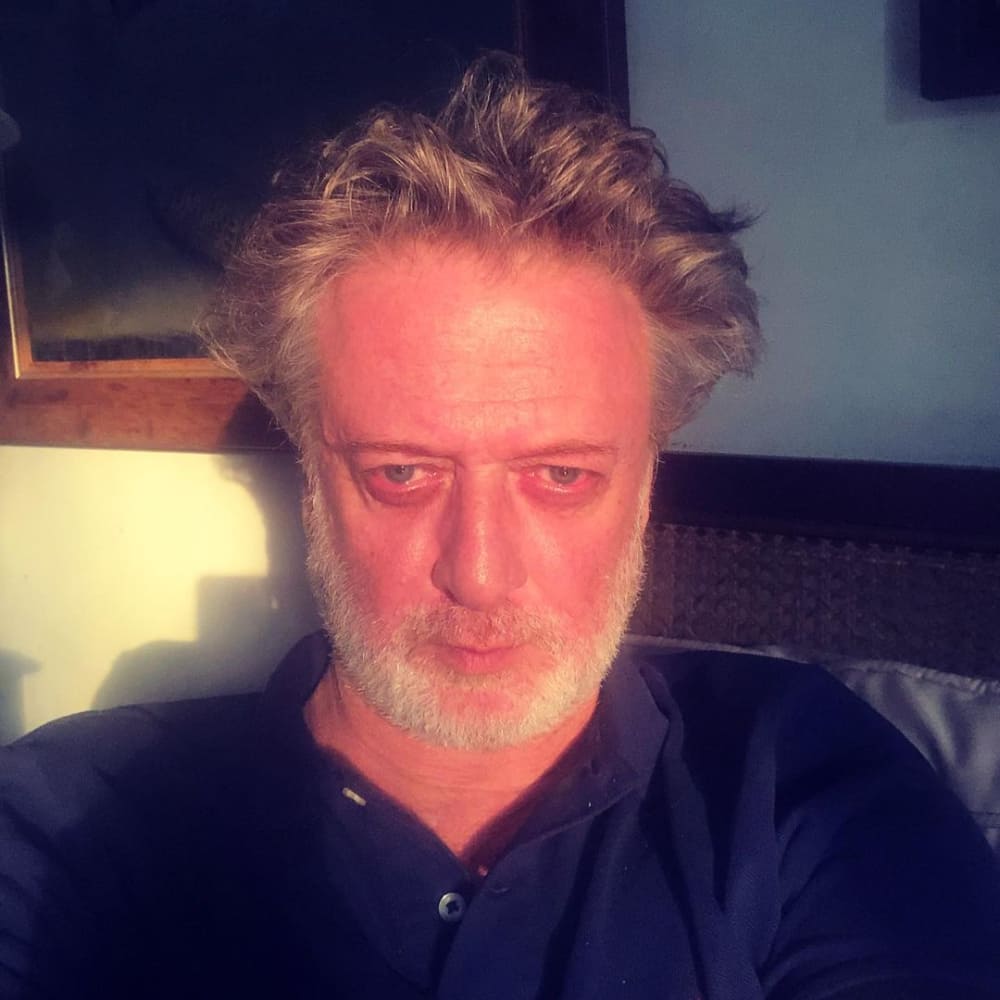















Shenaz Treasury diagnosed with prosopagnosia; Here’s everything you need to know about the condition
The actress went into greater depth about the signs and symptoms of her illness, admitting that she can only recognise voices, not faces.





Shenaz Treasury, an actress best known for roles in "Ishq Vishk" and "Delhi Belly," has revealed that she has been lately diagnosed with a rare disorder, prosopagnosia, which is also known as facial blindness. The news was announced Tuesday night on Instagram stories by the 40-year-old actor. The actress described her condition's symptoms in more detail, revealing that she can only recognise voices and not faces.
Here's everything you need to know about the rare mental condition.

What is prosopagnosia?
According to Dr. Mahadev, a neurology consultant at Manipal Hospital in Yeshwanthpur with whom we conducted an exclusive interview, prosopagnosia is a neurological condition where a patient is unable to recognise familiar faces.
People with prosopagnosia can recognise that they are staring at a face, but they are unable to distinguish between different people. Your everyday schedule may be significantly impacted. If you have this illness, you might not be able to instantly recognise your family, close friends, or partner in extreme circumstances.
What causes prosopagnosia?
Prosopagnosia exists in two primary types: acquired and developmental. Brain damage of any kind, such as that brought on by strokes, severe head injuries, or neurodegenerative illnesses, is the cause of acquired prosopagnosia. On the other hand, in the later form, a person can have prosopagnosia without having brain damage. Developmental prosopagnosia first appears in childhood. Genetics are most likely the cause of developmental prosopagnosia which often makes it a lifelong condition.
What are the symptoms of prosopagnosia?
The primary symptom of prosopagnosia is an inability to identify people by their faces. Dr. Mahadev also mentions more underlying signs that can indicate the mental condition, including
Unable to recognise known faces like friends, relatives, famous personalities
Unable to recognise faces in photographs like family albums
Unable to recognise known people in crowded places
Avoid meeting and knowing new people because they lack confidence
They try to identify people by their voice, hairstyle, jewellery and walking style.
Face blindness can make it difficult for a person to distinguish between different facial expressions of emotion like surprise, wrath, or happiness. Relationship building could become more challenging as a result, both personally and professionally.

How is prosopagnosia treated?
The disease of face blindness is incurable. The goal of treatment is to assist those who have the disorder in developing coping skills that will improve their ability to recognise others. The focus of treatment is on alternative solutions and other coping mechanisms that can help prosopagnosics recognise others without the need for facial clues. Hair, voice, and clothing cues can all be used to identify a person. Depression and feelings of estrangement may result from face blindness. One way to deal with the psychological weight it causes is through therapy.
Although prosopagnosia has no known cure, training programmes are being created to aid in improving facial recognition while researchers continue to look into the condition's underlying causes.
ALSO READ: Monday Mind Talks: Discover the difference between positive and negative types of stress