JOIN OUR WHATSAPP CHANNEL















































Migraine VS Headache: Do you know the difference between the two?
Migraine VS Headache: What is the difference between, causes and how to treat? Read on to know more.





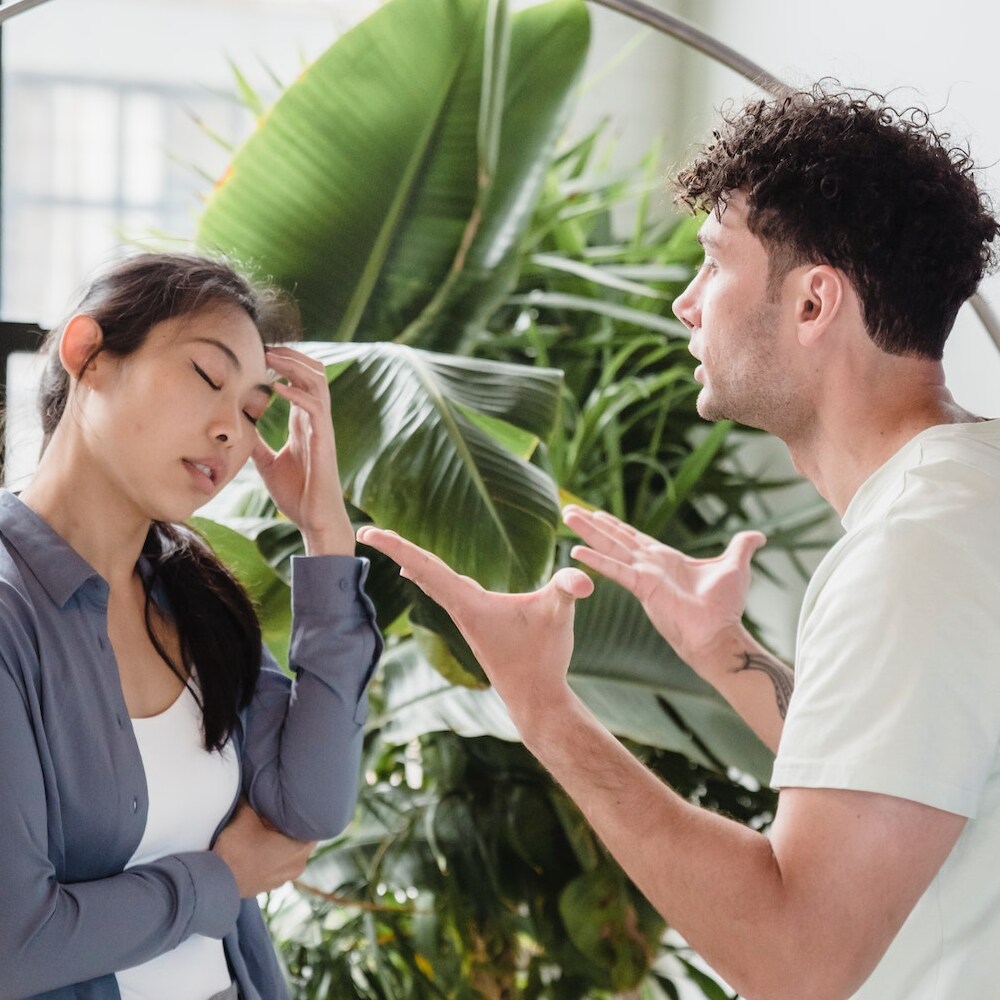
Headaches are extremely common. As per WHO, nearly half of adults will have a headache at some point this year. When we experience pain in the head, we get confused whether it is a migraine or just a headache. Understanding what is happening to you is important so that you can treat and know the cause of the health issue. We should not ignore both as they can be signs of underlying health disorders or disease.
Just like head pains, migraines are also quite common and they are one of the top 10 causes of disability worldwide. They are not life-threatening, but they can impact your well-being. As per The Migraine Trust, Migraines are most common among people who are in the age bracket of 30 to 40 years old. According to the Office on Women’s Health, around 75 percent migrain sufferers are women. Are you confused between the two? Then read on to know more about these two health issues.
What is a headache?
Speaking of headache, most of the time we feel unpleasant pains in head that can cause pressure and constant aching. Sometimes it is mild and sometimes severe and pain is felt both sides of your head. Mostly the tension and pain are around the forehead, temples, and back of the neck. According to the Mayo Clinic, the most common headache type is a tension headache which means stress, muscle strain, and anxiety can lead to the same.
Types of headaches
Cluster headaches- You experience cycles of headache attacks and headache-free periods.
Sinus headaches- This happens when you have symptoms of sinus
Chiari headaches- This type of headache happens due to a birth defect known as a Chiari malformation.
Thunderclap headaches- In this, a severe headache develops in 60 seconds or less.
How to treat headaches
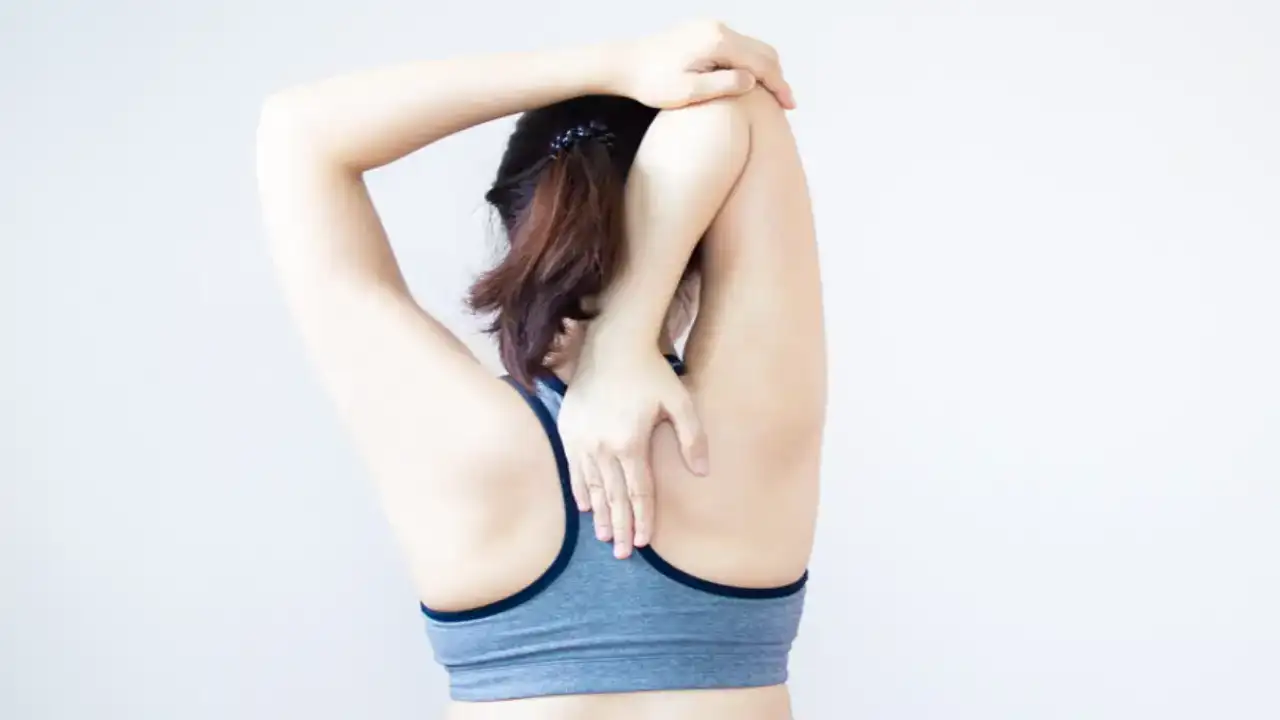
Aside from over-the-counter medicines, one can do relaxation techniques such as heat therapy, massage, meditation, neck stretching and relaxation exercises
Migraine
Talking about migraines, when we experience it you will feel severe pain and other symptoms as well such as nausea, pain behind one eye or ear, seeing spots, sensitivity to light and/or sound, temporary vision loss among others. Some people experience such severe migraines that they are admitted to the emergency room. And most of the time, you will feel pain on one side of the head. So, if you are experiencing intense, pulsing throbbing pain and unable to do daily tasks, then it could be a migraine.
Auras and prodrome
Migraine headaches are divided into two categories: migraine with aura and migraine without aura. Aura means the sensations a person experiences before they get a migraine. You may feel them 10 to 30 minutes before a migraine attack. Auras can be: not really alert, witnessing flashing lights and lines, numbness in face or hands, unusual sense of smell, taste, or touch.
Some migraine sufferers may experience symptoms a day or two before the actual migraine occurs and the phase is known as the prodrome phase. During the phase, you may experience constipation, depression, frequent yawning, irritability, neck stiffness and unusual food cravings before you get a migraine.
Causes and treatment of migraine
Migraine triggers and causes are, emotional anxiety, contraceptives, alcohol, hormonal changes, menopause, poor sleeping habits are a trigger for migraines, stress, certain stimulation and medications.
How to treat migraines? Medications are a common way to treat it. However, the best way to treat them is to avoid migraines by eliminating foods that cause headaches, like alcohol and caffeine, taking prescription medications, and stress management among others.
Bottom line
Understand the sensations whether it is severe or mild. If the sensations are throughout the scalp or forehead then it could be a headache, if it's on one side then it could be a migraine. Nausea, flashing lights, dizziness, and blind spots and other auras and prodrome can help you to determine that you have a migraine. Distinguishing migraine from other types of headaches can be confusing. But pay attention to the auras, prodromes and other signs.