JOIN OUR WHATSAPP CHANNEL
















































EXCLUSIVE: World Spine Day 2021: Expert tells you how bad posture is killing your back
This World Spine Day, expert lists signs that indicate a problematic spine and ways to keep it healthy.





Do you spend hours sitting in your bed, having a laptop by your side, and your eyes staring at the screen? And then spend the rest of the day complaining about neck and back pain? Of course, you do. Because this is what work from home is for you.
No matter how many perks the work from home scenario has offered us, the fact that it is killing our backs remains unarguable. However, it is not work from home that has to be blamed, it is your bad posture, and the pursuit to comfort that is.
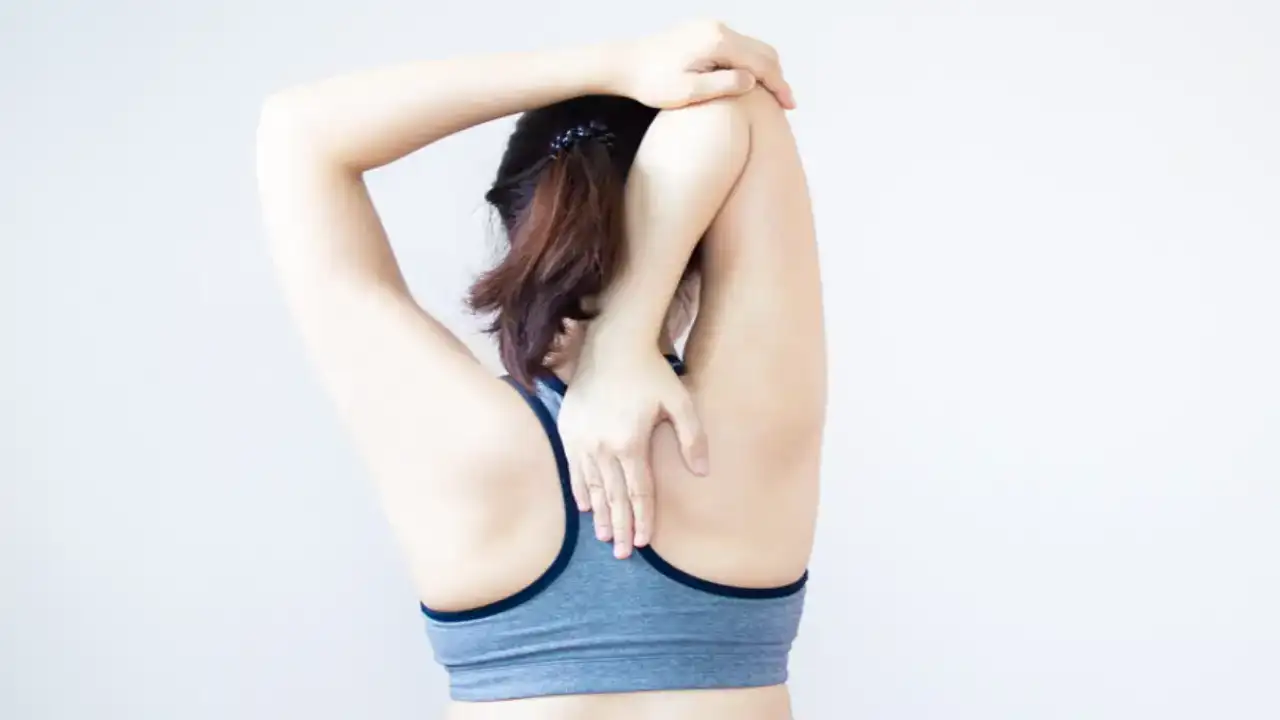
“Our bad posture while working from home is really killing our backs. Most of us, unfortunately, get into a comfort zone while working from home and we tend to slouch on the bed or a couch. This is one of the worst habits, because slouching causes all the problems, notably for our neck, and lower back. When you slouch, your weight is thrown off balance, which can put strain on your back, causing pain,” says Dr Shubhang Aggarwal, Orthopaedic & Robotic Joint Replacement Surgeon, and Director, NHS Hospital, Jalandhar.

Here, it is imperative that we must take adequate measures such as exercising daily, maintaining the right posture and taking breaks from our seats in between work to avoid the back pain. “Getting up from the seat and walking while taking phone calls, ditching the intercom are essential for a healthy back. Even try to reconsider the style of chair you sit on,” advises Aggarwal.
The management of all back pains, Aggarwal says, starts with the confirmation of diagnosis with a clinical examination by an expert orthopaedic surgeon and supported by relevant investigations like MRI or x-ray scans.
Some common problems of the spine include spondylitis of the neck and low back, a herniated cervical disc, herniated lumbar disc, spinal cord injuries, sciatica, spinal infections, spinal canal stenosis, scoliosis and spinal deformities, spinal tumors and whiplash.

“The treatment options vary from simple bedrest with analgesics to physiotherapy. Sometimes intra spinal injections or chordal block has to be done to relieve radiating pain and finally, if nothing else works then surgical intervention has to be done. Surgical options include microdiscectomy surgery, open bone removal surgery and pedicle screw fixation to stabilise the unstable spine,” he tells you.
Signs your back needs your attention
Problems in walking.
Serious loss of control of the bladder or bowels.
Inability to move the arms or legs.
Feelings of spreading numbness or tingling in the extremities.
Headache, pain, pressure, and stiffness in the back or neck area.
Signs of shock.

Like the adage suggests, ‘Prevention is better than cure’, Aggarwal lists a few ways that can help keep your spine healthy, and prevent injuries.
Exercise regularly.
Keep your back straight as much as possible.
Don’t lift heavy objects in the wrong way.
Take part in active games - physical activities like swimming, cycling to strengthen your back.
Try to kneel and not bend.
ALSO READ: EXCLUSIVE: World Sight Day 2021: Expert lists a few ways in which one can take care of their eyes