JOIN OUR WHATSAPP CHANNEL














































Farooq Shaikh Birth Anniversary: Supriya Pathak remembers co-star through their heartrending film Bazaar
On his 74th birth anniversary, Supriya Pathak remembers co-star Farooq Shaikh through the prism of their heartrending film Bazaar.




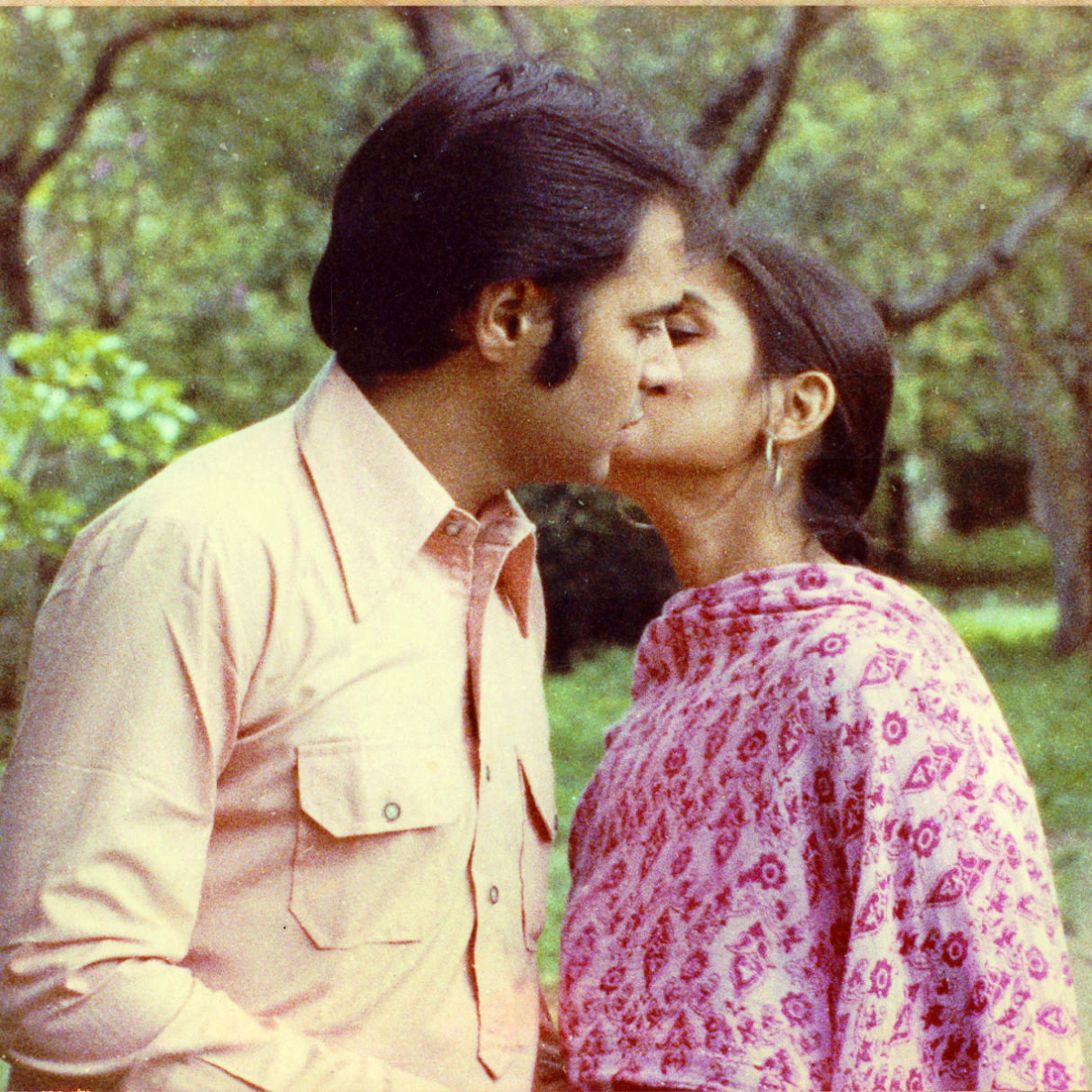
Sagar Sarhadi’s Bazaar (1982) was inspired by newspaper articles (reportedly the 1991 Ameena case) about transactional marriages between impoverished Muslim girls in India and elderly men in the Gulf. Tearing through the resistant jute blinds, it uncovered the ‘flesh-trade’ of daughters inside the lime-washed houses in Hyderabad. While the film starred Smita Patil and Naseeruddin Shah in lead roles, the narrative hinged around the tragic love story of Farooq Shaikh’s Sarju and Supriya Pathak’s Shabnam. Sarju and Shabnam symbolise flowers and fragrance, prayers and promises.
Shabnam, however, catches the lecherous eye of the Gulf-returned middle-aged Shakir Ali (B. L. Chopra). He manoeuvres to ‘buy’ her as his bride. Shabnam and Sarju’s love succumbs to the pliability of her parents, who trade her for a few thousands. The tear-jerking portrayal won Supriya the Filmfare Award for Best Supporting Actress. On co-star Farooq Shaikh’s 74th birth anniversary, Supriya looks back fondly at her association with him.
In Supriya Pathak’s own words:
As a youngster, I had seen Farooq Shaikh perform at IPTA as my mother (late actor Dina Pathak) was part of the same association. People there knew me as Dina Ben’s daughter. Naseer (Shah) took me to meet Sagar Sarhadi saab. It was a great story. Naturally, I agreed. Before I signed Bazaar, Farooq was already on board. We went to Hyderabad and began shooting. Farooq joined us later. The first scene Farooq and I shot was the ‘Chudiyaanwale chudiyaan dikhao na’ one.

Those days no one sat with you and explained the character. As an actor, you were expected to know what you were supposed to do. We had to discover our own chemistry. Farooq and I said ‘Hi’ to each other and began shooting. It was an instinctive gelling of two minds. The comfort level was established instantly. Farooq was senior to me but never made me feel awed. I don’t remember having an awkward moment with him. He was easygoing with everyone.
Bazaar was made under financial constraints (reportedly under a budget of Rs 13 lakh). The raw film was expensive. Hence, the director and producer would fume if we asked for retakes. So, we’d try not to go beyond one take. In fact, you were considered a good actor if you didn’t go for retakes. It may not have been as professional and streamlined as it’s today. But acting was more authentic than deliberated. The reason Bazaar worked was because it was made with passion. What I learnt from Farooq early in my career was the fact that an actor has to believe in his work. If you can’t do it with passion and feeling, then don’t do it.
The film had traditional lyrics set to tune by Khayyam saab. Farooq and I were fortunate to have three songs filmed on us. Dikhai Diye Yun (written by 18thC poet Mir Taqi Mir) was shot over one or two nights on the terrace of the Rock Castle Hotel, where we were put up. There were no jazzy lights or choreography. The song was just about emotions. We were just told ‘yahan dekho’ and ‘wahan dekho’. Cinematographer Ishan Arya was magic. It was a static picturisation. But he captured the fluid expressions. Phir Chidhi Raat Baat Phoolon Ki (written by Marxist poet Makhdoom Mohiuddin and set in raag Bageshri) was shot in Lonavala. It had a bit of choreography. There was no dance director though. Farooq and I did it ourselves.

Dekh Lo Aaj Hum Ko Jee Bhar Ke (from the 200-year-old book, Zehre-E-Ishq by poet Mirza Shauq) was just a stark emotion. It was choreographed simply by Ishanji and Sagar saab. The emptiness of the haveli, the sense of desolation was poignantly brought out. Jagjit Kaurji’s heart-breaking rendition made women sob in auditoriums. In fact, when we were watching the preview of the film, my close friend seated next to me kept crying and said, “I can’t take it.” There was not a dry eye in the theatre. As for me, I did break down while doing the scenes where I was forced to get married to Shakir Ali and those involving my separation with Farooq. I got emotionally involved with the character. I became the tragic Shabnam.
On the lighter side, I remember a funny incident while shooting the scene where I sit in a rickshaw driven by Farooq. It was a terribly rickety vehicle. Poor Farooq had to drive it uphill and downhill. Sagar saab was following us in a car and filming it. At one point, Farooq, exhausted by the continuous effort, turned around and said, “Will you lose some weight? I am finding it difficult to drive the rickshaw.” It was hilarious.
Farooq was mischievous and a prankster. Once he pulled a fast one on me. While we were shooting in Hyderabad, I received a call informing me that I had won the Filmfare Award for Best Supporting Actor for Kalyug (1981). Naturally, I was delighted. The next morning, I received a telegram saying that it was a mistake and someone else had won it. I was heartbroken. How would I tell the unit that it was a mistake! I didn’t know how to face them. I began crying. Seeing me Farooq asked, “Kya hua?” I couldn’t say anything. Then he said, “Stop crying you idiot! It was a joke. I sent the telegram to you.” Then he laughed his head out.

After Bazaar, Farooq and I were cast in a film that went on for five to six years. Every year, we’d shoot for it for two days. We’d laugh about this when we met. It was never completed. Finally, we did Dibakar Banerjee’s Shanghai (2012). Farooq hadn’t changed after all those years. He was as warm and helpful towards everyone, from the spot boy to the actors. I’ve never met anyone who had something bad to say about him. He came across as a happy person. I’m sure he must have had his tensions and problems. But there was nothing negative about him. His demise on 28 December 2013 was truly untimely. If I were to describe one sterling quality about Farooq, I’d say his heart was in the right place.